Category: uPVC Windows & Doors
Why uPVC Windows Are a Smart Long-Term Investment for Homeowners
The Hidden Cost of “Cheap” Windows
Most homeowners view windows as a finishing touch—a line item to be checked off as quickly and cheaply as possible. But here’s the kicker: your windows are actually the largest “holes” in your home’s insulation. Choosing the wrong material is like pouring money out of a leaky bucket every time you turn on the AC.
If you’re tired of skyrocketing electricity bills and the constant rattle of street noise, it’s time to rethink your strategy. We aren’t just talking about aesthetics; we are talking about asset appreciation. Investing in uPVC windows and doors isn’t an expense. It is a strategic move to future-proof your property value.
Why uPVC windows and doors are the Gold Standard for ROI
When we look at the return on investment (ROI), we have to look past the initial price tag. Traditional wooden frames warp, rot, and require a small fortune in polish and termite treatments.
uPVC windows and doors manufacturer experts emphasize that “unplasticized” polyvinyl chloride is engineered for endurance. Unlike other materials, it doesn’t react with moisture or UV rays. This means that the look of “Day 1” will continue for decades without the extra costs of upkeep that eat into your savings.
Energy Efficiency: The Monthly Dividend
The most immediate ROI comes from your utility bill. uPVC windows and doors feature multi-chambered profiles that act as air locks. This keeps the cold air in and the hot air out in a tropical climate like India’s.
• Reduced HVAC Load: You’ll find your air conditioner reaching the target temperature faster and staying there longer.
• Thermal Break: uPVC is a natural insulator. It stops the thermal bridge that usually brings heat into your living room.
Modern uPVC window designs: Merging Style with Asset Value
In the world of real estate, first impressions are literally bankable. The Modern uPVC window designs you choose today dictate the marketability of your property a decade from now. Unlike traditional materials that show their age through peeling paint, uPVC maintains a “freshly installed” look that protects your home’s valuation.
1. The Versatility of High-Value Function
If you want to maximize your square footage and rental yield, sliding doors and windows are an essential upgrade. They don’t need any “swing space,” which means the floor space that would otherwise go to waste can now be used. Fold and sliding doors make a “glass wall” impression that is perfect for people who want their architecture to make a big statement.
This feature is a major selling point for premium buyers, as it merges indoor and outdoor living into one expansive, high-value space.
2. Engineering for Long-Term Occupation
A property is only as good as its liveability over time. High-performance uPVC tilt and turn windows provide a level of safety and convenience that makes a house a permanent home. These windows offer a dual-action opening: they can tilt from the top for secure, rain-protected ventilation or swing open fully for easy maintenance. This sophisticated functionality is exactly why they have moved from a niche luxury to a standard requirement for the best uPVC windows in India.
By installing these systems, you ensure the property remains habitable and premium for decades:
- Climate Stability: The home remains cool and quiet despite the outside environment, encouraging long-term residency.
• Operational Excellence: Tilt and turn windows are preferred for their smooth working, ensuring a long-lasting, high-quality construction with exceptional resilience.
• Safety First: uPVC windows feature multi-point locking systems that offer superior security for modern homes and make you feel safe all the time.
3. The Durability Dividend
Every uPVC windows and doors manufacturer highlights the material’s innate resistance to the elements, but the true ROI is found in the lack of depreciation. Investing in uPVC windows and doors, homeowners look for an asset that:
- Retains Colour: The profiles are resistant to UV rays. They do not fade or turn yellow, lose their colour and aesthetic appeal in the hot Indian sun.
- Hardened Security: High-performance uPVC is reinforced with galvanized steel and multi-point locking systems, making it nearly impossible for intruders to pry the sash open.
- Structural Integrity: These frames won’t stretch or expand, so the locking mechanisms will always be exactly aligned and work.
- Reduced Repair Sinking Funds: Homeowners save money by not having to paint or treat for termites regularly.
Durability: Built for the Indian Heat, Cold, and Rain
India’s geography is a gauntlet for building materials. From the salt-heavy air of coastal Mumbai to the bone-dry heat of the Thar Desert and the high-humidity zones of the South, your home’s exterior is under constant siege. This is the point at which investment (ROI) for uPVC windows and doors moves from “good” to “extraordinary.”
uPVC is designed for superior resistance to the weather, unlike other materials that break down with continuous exposure:
- UV Resistance for Tropical Sun: In regions with intense solar radiation, standard frames often become brittle, yellow, or fade. Titanium dioxide, used to treat high-quality uPVC windows and doors, ensures that they remain strong and bright without losing their aesthetic appeal for decades.
- Mastering the Monsoon: Heavy rains often result in seepage, which makes walls moist and mouldy on the inside. Even in areas with a lot of rain, the uPVC windows and doors prevent leaks and moisture seeping through with the fusion-welded joints and double-sealed gaskets form an air-tight vacuum barrier.
- Stability in Weather Fluctuations: In regions where temperature changes from day to night are rapid, the commonly used materials expand and contract with the changing temperature. This often results in cracks and other structural damage. Galvanised steel used in uPVC windows and doors strengthens them from within, keeping the shape intact even in rapidly changing temperatures.
- Coastal Protection: For homes near the sea, corrosion is the primary enemy. uPVC is naturally 100% rust-proof and salt-resistant, making it a “fit and forget” solution for coastal real estate.
When you source from a reputable uPVC windows and doors manufacturer, you aren’t just buying a window; you are buying a protective shield designed specifically for the Indian subcontinent. This endurance keeps the property’s “envelope” intact, which retains its high resale value and means that expensive structural repairs due to water ingress or frame damage can be eliminated. By choosing the best uPVC windows in India, you are effectively hedging against the high costs of climate-driven home maintenance.
Specialized Solutions for Architectural Character
Investing in your home doesn’t mean settling for “cookie-cutter” looks. You can maintain architectural integrity while upgrading your tech. By opting for specialized uPVC windows and doors, you are effectively “design-proofing” your home against shifting trends.
- Casement doors and windows: These offer a traditional look with a side-hinged opening, providing 100% ventilation.
- uPVC arch windows: For those living in heritage-style homes or looking to add a touch of elegance, arched profiles provide that classic curve without the maintenance nightmares of curved wood.
- Fold and sliding doors: These are the ultimate luxury upgrade, effectively replacing a solid wall with a transparent, foldable barrier. You increase the perceived square footage of your living space.
- Modern uPVC window designs: Today’s profiles come in various finishes that allow you to achieve the “look” of expensive materials while benefiting from a frame that won’t require a single rupee of refinishing costs for the next twenty years.
The “Quiet” Investment: Acoustic Insulation
In our bustling cities, silence is a luxury. One of the most overlooked ROI factors is the “Peace of Mind” dividend. uPVC windows and doors are designed to dampen external noise by up to 30-40 decibels.
Imagine your home office being truly silent, even if there’s a construction site or a busy road next door. This acoustic performance makes your property much more attractive to premium tenants and future buyers. When you search for the best uPVC windows in India, you aren’t just buying windows and doors; you’re securing a sanctuary.
Maintenance: The Silent Profit Generator
Let’s talk about the “Time is Money” factor. A wooden window needs sanding and painting every few years. uPVC requires nothing more than a damp cloth and some soapy water.
• No painting.
• No polishing.
• No termite treatments.
• No rust.
Why uPVC is the Secret Weapon for Eco-Conscious Homeowners
The thousands of rupees you save on annual maintenance over 20 years effectively pays for the windows themselves. That is the definition of a smart long-term investment.
Sustainable living is a core reason why uPVC windows and doors are a smart long-term investment. High-quality uPVC is 100% recyclable, creating a “closed-loop” cycle that prevents landfill waste. As superior thermal insulators, they stop heat transfer through multi-chambered profiles, drastically cutting energy consumption.
1. Lower Carbon Footprint: Reduced AC usage directly lowers emissions.
2. Eco-Friendly Composition: The best uPVC windows in India use lead-free stabilizers.
3. Resource Preservation: uPVC production does not contribute to deforestation while also not compromising on the appeal and richness.
How Eco-Friendly Materials Add Real Estate Value
Choosing an eco-friendly uPVC windows and doors manufacturer preserves both the planet and your property value.
In 2026, “Green Homes” are fetching a premium on the market. Modern buyers are looking for energy-efficient upgrades that lower their future utility bills. An eco-friendly home isn’t just better for the earth; it’s a higher-value asset that stands out to conscious investors and families alike.
Final Verdict: Why Wait?
The market for uPVC windows and doors is expanding because homeowners are getting smarter. They realize that the “upfront cost” is a one-time hurdle, while the benefits, energy savings, soundproofing, and zero maintenance are a lifelong stream of value.
Whether you are looking for a uPVC windows and doors manufacturer for a new build or a renovation, the data is clear. Upgrading your fenestration is the single most effective way to increase your home’s efficiency and market appeal in one go.
Frequently Asked Questions (FAQs)
Is the investment in uPVC windows and doors worth it?
Yes. uPVC windows and doors usually pay for themselves in a few years because they save energy and don’t need to be repaired.
How long do uPVC windows actually last?
Most uPVC windows and doors manufacturers suggest a lifespan of 20 to 35 years, depending on the quality of the installation.
Do uPVC windows and doors in Hyderabad handle the heat well?
Yes. The frames of uPVC windows and doors in Hyderabad are made with UV-resistant materials that keep them from turning yellow or getting brittle in direct sunlight.
What are the best uPVC windows in India for noise reduction?
Look for double or triple-glazed Tilt and turn windows. The multi-point locking system creates a tighter seal, resulting in a significant blocking of outside noises to a maximum extent.
Can I get custom shapes like uPVC arch windows?
Yes. Modern uPVC window designs are highly flexible. You can find specialized uPVC arch windows that provide a classic aesthetic with modern performance.
How can uPVC windows and doors improve indoor air quality?
The mid-afternoon slump isn’t always about your caffeine levels. Sometimes, it is simply because your house is holding its breath and forcing you to do the same. The air inside your home might be up to five times more polluted than the air outside. It’s a silent problem, one that sits in the back of your throat or manifests as a mid-afternoon headache. Most of us focus on air purifiers or plants, but we often overlook the very “lungs” of our house: our windows and doors.
We spend roughly 90% of our lives indoors. If your home isn’t “breathing” correctly, you aren’t just living in a house; you’re living in a sealed box of stagnant allergens.
But there’s a solution that balances insulation with fresh air. Let’s talk about how upgrading to uPVC doors and windows can fundamentally change the way you breathe.
The Hidden Crisis of Indoor Air Quality
We often think of “pollution” as gray smog over a distant highway. In reality, your indoor air quality is frequently compromised by things much closer to home: Volatile Organic Compounds (VOCs) from furniture, dust mites, and trapped moisture.
When your home lacks proper windows for ventilation, these pollutants have nowhere to escape. They settle into your carpets, your lungs, and your life.
Old, wooden, or poorly fitted metal frames are often the primary culprits. Over time, they warp and degrade. This leads to a frustrating double-edged sword: they either leak air uncontrollably (killing your energy efficiency) or become so jammed that you eventually stop opening them altogether.
The result? A dangerous buildup of CO2 and humidity. This is precisely where indoor air pollution solutions like modern uPVC door and window designs become essential for a healthy home.
Why uPVC is the Secret to Air Control
You might already know uPVC for its legendary durability or its ability to lower your energy bills. But its role in how to improve air quality in home environments is the real headline.
Unlike traditional wood, which is porous and prone to rot, uPVC is non-porous. It is naturally resistant to mold and mildew, meaning the frames themselves don’t contribute to the very allergens you’re trying to eliminate.
Here’s the kicker: Modern uPVC windows for air control are engineered with extreme precision. uPVC doors and windows don’t just “close”, they seal. This might sound counterintuitive if you want more air, but it’s actually about control. High-quality seals allow you to dictate exactly when and how air enters your space, rather than leaving your health to chance or drafty cracks.
Precision Ventilation: Tilt, Turn, and Flow
One of the biggest hurdles to fresh air is security. You want a breeze, but you don’t want to leave your home vulnerable. This is where uPVC tilt and turn windows change the game.
These units offer a dual-action mechanism:
- The Tilt: The window hinges at the bottom and opens slightly at the top. This allows for “passive” ventilation, letting hot, stale air escape while preventing a sudden gust of wind from blowing your papers away.
- The Turn: The window opens fully like a door for maximum airflow.
By using best window for ventilation designs like these, you can flush out indoor toxins in minutes without compromising your home’s safety.
The Magic of Integrated Air Vents
There are days when you simply cannot keep your windows wide open. Perhaps it’s a freezing winter morning, or maybe the noise from the street is just too loud.
This is why uPVC windows with air vents (often called trickle vents) are an absolute necessity.
These small, controllable openings are built directly into the frame. They provide a constant, low-level flow of fresh air even when the window is locked tight. It is a “set it and forget it” approach to uPVC windows with ventilation.
Instead of waiting for the air to feel “stuffy” before you react, these vents ensure that your indoor air quality remains consistent throughout the day and night.
Balancing Sealing and Breathing
It sounds like a contradiction. You want a home that is airtight for energy efficiency, but you need it to breathe for health.
uPVC doors and windows solve this through high-quality gaskets and multi-point locking systems.
- Pollutant Blockage: When closed, they keep outdoor pollutants, pollen, and dust out.
- Strategic Airflow: When used with casement doors and windows, they can be angled to “catch” the wind and redirect it into the house.
Think of it as an “active” rather than “passive” relationship with the outdoors. This level of control makes them the best windows for air quality management, especially in urban environments where noise and dust are constant battles.
Reducing Humidity and Mold Growth
Condensation on your glass isn’t just a nuisance; it’s a warning sign. Damp environments are the primary breeding grounds for mold spores, which are a leading cause of respiratory issues and allergies.
Because uPVC doors and windows has excellent thermal properties, the inner surface of the frame stays significantly warmer than old metal or single-pane wood frames. This reduces the “cold spots” where condensation typically forms.
When you pair this thermal efficiency with uPVC windows with ventilation, you effectively eliminate the damp air that mold thrives on. You aren’t just cleaning the air; you are removing the environment that makes it toxic in the first place.
Transforming Your Living Space
Imagine waking up in a room that doesn’t feel “stuffy.”
By choosing uPVC doors and windows, you are investing in a system that manages your environment. Whether it’s through the wide-open reach of casement doors and windows or the subtle, constant airflow of uPVC windows with air vents, the goal is a home that feels fresh, every single day.
It’s time to stop settling for stagnant air. High-performance uPVC windows for air control give you the power to refresh your home with a simple flick of a handle.
FAQs
1. How do uPVC doors and windows help with allergies?
uPVC doors and windows have a great seal that keeps pollen, dust, and other allergens from getting into your home from the outside. When used with built-in air vents, they let air flow in a controlled or filtered way.
2. What are the best windows for maximum ventilation?
People generally think that uPVC tilt-and-turn windows are the best window for ventilation since they can be opened in two ways: a top-tilt for mild ventilation and a full-side opening for maximal air exchange.
3. Can uPVC doors improve indoor air quality too?
Absolutely. Of course. Large casement doors and windows may let in a lot of air, which helps you get rid of interior contaminants and replace them with fresh air more faster than regular windows.
4. Do I need to keep my windows open all day for good air quality?
No. When you choose uPVC windows with air vents, you can keep the air fresh without losing heat, even when the windows are closed and locked.
5. How does uPVC prevent mold growth?
uPVC’s thermal efficiency keeps frames warmer, reducing condensation. Combined with proper uPVC windows for ventilation, this keeps humidity levels low enough to discourage mold and mildew.
6. Are uPVC windows better than wood for air control?
Yes, because uPVC doors and windows do not warp or shrink over time. This ensures the seals remain airtight for years, giving you total control over how to improve air quality in home settings.
Why UPVC Windows Are Becoming the Top Choice for Modern Homes in India
What Makes uPVC Different from Traditional Window Materials
uPVC has reshaped how homeowners think about windows because it brings qualities that older materials struggle to match. Wood demands frequent care due to issues like rotting, warping, pests, and repainting. It is also sensitive to weather, often requiring a regular sealing check. uPVC stays stable in all seasons, resists warping, and maintains its finish for years. Its core structure blocks heat, reduces outside noise, and keeps interiors comfortable without constant upkeep. These advantages make it a strong material for modern construction in fast-changing Indian climates.
Energy Efficiency and Better Temperature Control in Indian Climates
Indian homes face sharp temperature swings across regions, from dry heat in the north to humidity in the south. uPVC windows help maintain indoor comfort through insulated frames and a multi-chamber design that slows heat transfer. This reduces dependence on air conditioning during summers and helps retain warmth during cooler months. The material naturally supports energy-saving habits, making it easier for homeowners to manage rising electricity costs while creating more stable indoor environments.
Sound Insulation for Noise Heavy Urban Areas
Cities across India are now louder than ever due to traffic, construction, and dense neighbourhoods. uPVC windows create a strong barrier that limits how much outdoor sound enters the home. The tight sealing design prevents gaps where noise usually leaks through, and when paired with quality glass, the improvement is instantly noticeable. This allows bedrooms, living rooms, and workspaces to feel calmer, supporting better sleep and more productive routines.
Low Maintenance and Long Term Durability
uPVC stands out because it requires almost no ongoing care while staying strong for years. There is no need for repainting, polishing, or sealing since the surface does not fade or crack easily. The material resists rust, moisture, and daily wear, making it dependable for busy households. This durability helps homeowners avoid frequent repair expenses and keeps windows looking clean with minimal effort.
Weather Resistance Across Hot Summers and Heavy Monsoons
Indian weather patterns are intense, with scorching heat in many states and heavy monsoon spells in others. uPVC handles both extremes effectively due to its stable structure that does not react to moisture or temperature shifts. The frames stay intact during rains and do not swell like wood or corrode like metal. This reliability provides homes with consistent protection during seasonal changes and maintains indoor comfort throughout the year.
Enhanced Safety Features and Stronger Security
uPVC windows offer better security through strong frames and multi-point locking systems that make forced entry more difficult. The material does not bend or loosen easily, which adds stability around the locking areas. When paired with toughened or laminated glass, the overall setup creates a more secure environment for families. This level of protection appeals to modern homeowners who want stronger security without compromising on appearance.
Design Flexibility for Contemporary Home Aesthetics
uPVC offers a wide range of design choices that suit modern Indian homes. The material can be shaped into sliding, casement, tilt and turn, or fixed window styles without losing strength. It also supports multiple colour finishes that blend well with minimalist, luxury, and contemporary interiors. This flexibility allows homeowners to match their windows with architectural themes while still enjoying all the functional advantages of uPVC.
Eco-Friendly and Recyclable Material Benefits
uPVC supports sustainable building practices because it is fully recyclable and designed to last for decades. Its long life reduces the need for frequent manufacturing and disposal, which lowers environmental impact. The energy-saving properties also help reduce the carbon footprint inside homes. These benefits appeal to eco-conscious homeowners who want modern performance without compromising environmental responsibility.
Why Indian Homeowners and Builders Are Choosing uPVC in 2026
uPVC has moved from a niche option to a mainstream choice due to its strong performance in Indian climates. Homeowners value its insulation, noise reduction, and low maintenance qualities, while builders appreciate its durability and ease of installation. The growing focus on energy-efficient housing has pushed uPVC further into the spotlight. These combined advantages explain why new residential projects across cities and towns are increasingly choosing uPVC over older materials.
Key Factors to Consider Before Buying uPVC Windows
When choosing uPVC (unplasticized polyvinyl chloride) windows for a home, it’s important to consider several key factors to ensure you’re getting high-quality, durable, and efficient windows.
Multi-chamber profiles and reinforced frames offer stronger insulation and better stability. It is also helpful to look at brand warranties, installation standards, and locking systems to ensure long-lasting performance. Paying attention to these details helps avoid compromises and ensures the windows deliver their full benefits.
Final Thoughts for Homeowners Upgrading to uPVC Windows
uPVC windows bring together comfort, safety, and modern design in a way that suits today’s Indian homes. Their ability to handle extreme weather, block outside noise, and reduce energy consumption makes them an appealing upgrade for both renovations and new constructions. By choosing high-quality profiles and proper installation, homeowners can enjoy lasting performance with minimal upkeep.
uPVC Windows and Doors, The Ultimate All-Weather Shield
Let’s be honest—the weather lately has been a bit unpredictable. One minute you’re dealing with scorching heat that turns your living room into a sauna, and the next, a sudden downpour has you running to check for leaks. If you live in a place with intense seasons, you know that your home’s exterior takes a beating. And the weakest link? Usually, it’s the windows and doors.
Traditional materials like wood can warp or rot when the humidity climbs. This is exactly why homeowners are making the switch. If you’ve been typing uPVC doors and windows near me into your search bar lately, you are on the right track.
Unplasticized Polyvinyl Chloride, or uPVC, isn’t just a fancy industry term; it is genuinely the heavy-lifter of home fixtures. Let’s break down why uPVC doors and windows are the all-weather warriors your home actually needs, and how to choose the right style for your space.
Why Does Weather Resistance Matters More Than Ever?
We often think of windows as just glass and frames, but they are the primary barrier between your comfort and the chaos outside. In a country like India, where the geography shifts from coastal humidity to dry heat, you need a material that doesn’t react to the elements.
This is where uPVC profiles shine. Unlike wood, which absorbs moisture (leading to termites and jamming), uPVC is non-porous. It doesn’t drink up water. It doesn’t rust like iron. It simply sits there, unaffected by the storm outside.
When you look for the best uPVC windows in India, you are essentially looking for longevity. These frames are fortified against UV radiation. That means the harsh afternoon sun won’t cause the frames to fade, crack, or peel. It is an “install it and forget it” kind of solution.
Design That Meets Durability
A common myth is that if something is durable, it must be ugly. That might have been true twenty years ago, but today’s modern uPVC window designs are sleek, stylish, and incredibly versatile. You don’t have to sacrifice aesthetics for safety.
Here is a look at how different designs handle different weather needs:
Sliding Doors and Windows
This is perhaps the most popular choice for apartments and balconies. Sliding doors and windows move on a track and maximise space. But from a weather perspective, they are excellent for controlling airflow. When closed, the interlocking sashes create a tight seal that keeps dust and wind out. If you live in a high-rise where wind loads are high, this is a solid pick.
Casement Doors and Windows
If rain is your biggest enemy, look at casement doors and windows. These are the ones that are hinged at the side and open outward or inward (like a traditional door). Because of the way they close—pressing firmly against the frame—they offer one of the tightest seals possible. This compression seal is fantastic for preventing water ingress during heavy monsoons and keeping the cool air inside during summer.
Fold and Sliding Doors
Want to open up an entire wall to a garden or patio? Fold and sliding doors (often called bi-folds) are the luxury option. They fold back like an accordion. While they look delicate, high-quality versions are engineered to be robust against the elements when locked in place.
uPVC Arch Windows
Sometimes you have a unique architectural gap to fill. uPVC arch windows add a vintage, softer look to a home. Previously, curving a window frame without losing structural integrity was hard. With modern uPVC manufacturing, you can have that beautiful curve without worrying about gaps where drafts might sneak in.
The Aesthetics: Laminated and Coloured Options
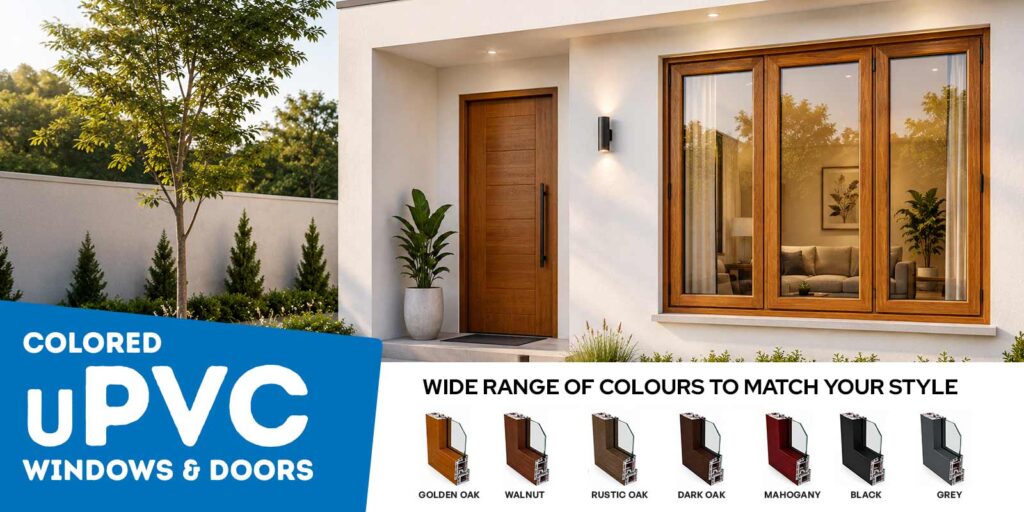
White is the classic uPVC look, but it’s not the only one. If you love the look of timber but hate the maintenance, laminated uPVC windows are the answer. These profiles come with a special foil coating that mimics the texture and grain of wood (like Golden Oak or Walnut). You get the warmth of wood with the weather resistance of polymer. It’s a win-win.
Geography Matters: Finding the Right Fit
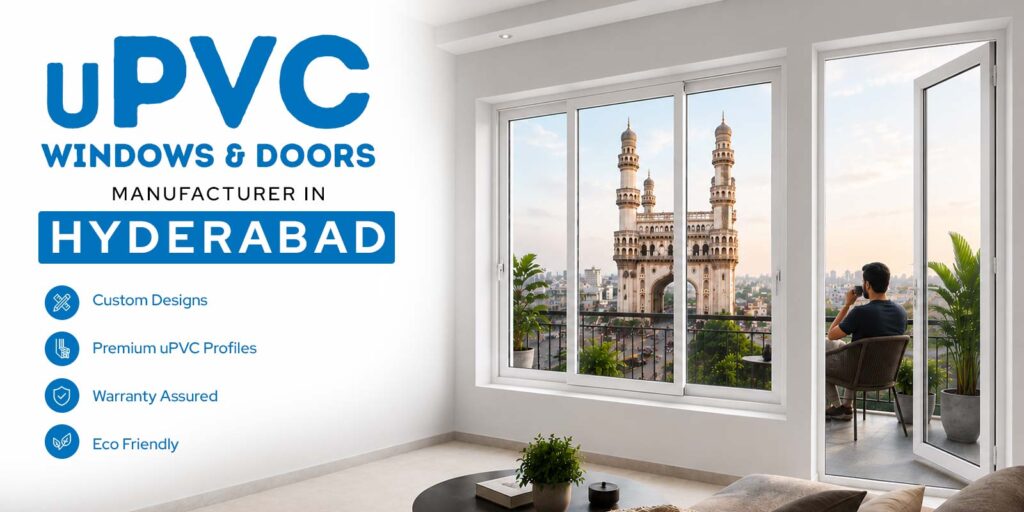
The demand for these fixtures is skyrocketing across the country. For instance, the market for uPVC windows and doors in Hyderabad has seen a massive uptick. Why? The region sees distinct hot summers and heavy monsoon spells. Homeowners there realised that traditional doors and windows weren’t offering enough thermal insulation.
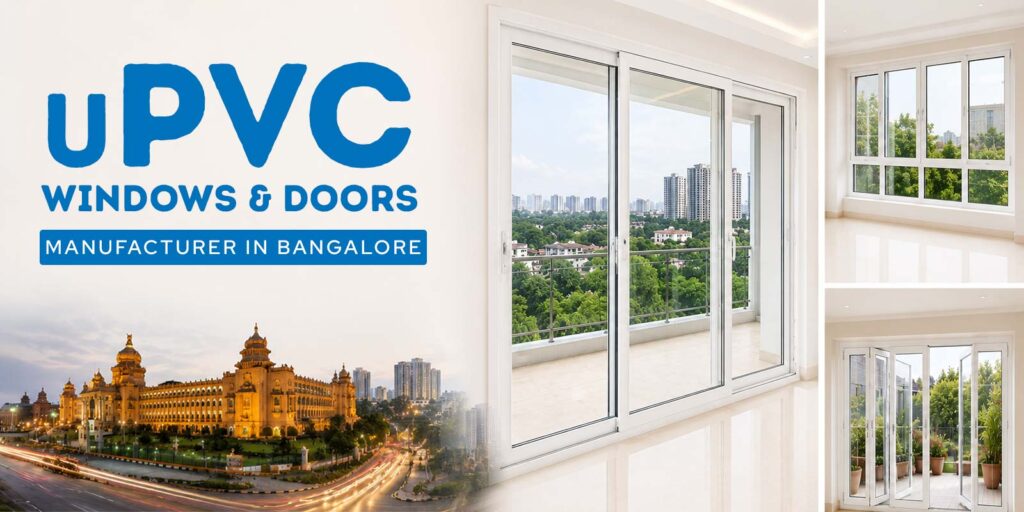
Similarly, if you look at uPVC windows and doors in Bangalore, the focus is often on soundproofing and keeping the moderate but breezy climate controlled. uPVC is a natural insulator. It keeps street noise out just as well as it keeps the rain out.
When you start your hunt for a uPVC manufacturer in India, don’t just go for the cheapest option. The quality of the raw material matters. You want a supplier who understands the local climate.
How to Choose the Right Supplier
This is where many homeowners get stuck. You search for a windows manufacturer near me and get bombarded with hundreds of results. How do you filter them?
Check their Range: Do they only offer basic squares, or do they handle complex uPVC window design? A manufacturer who can fabricate arches and bays usually has better technology.
Installation Expertise: A window is only as good as its installation. If there are gaps between the wall and the frame, the best uPVC in the world won’t save you. Look for uPVC doors and windows suppliers who have their own installation teams rather than outsourcing to random contractors.
After-Sales Service: uPVC doors and windows suppliers should offer a warranty on the profile (often 10 years or more) and the hardware.
If you are specifically looking for uPVC windows and doors manufacturers in Hyderabad, ask to visit their experience centre. Touch the material. Open and close the casement doors and windows. Check the smoothness of the sliding doors and windows. Physical inspection tells you a lot about quality.
Cost vs. Value
Let’s talk numbers briefly. You will find a wide price range. The search volume for uPVC doors and windows is high because people are price-conscious. However, think of this as an investment in your home’s shell.
Cheaper, unbranded profiles might yellow under the sun after two years. They might warp, making the sliding doors and windows get stuck in their tracks. High-quality uPVC profiles maintain their shape, colour, and function for decades. When you factor in the energy savings (lower electricity bills because your AC runs less) and the zero maintenance (no painting, no varnishing), uPVC pays for itself.
The Verdict
Your home is your sanctuary. It shouldn’t leak when it rains, and it shouldn’t turn into an oven when the sun hits. By switching to uPVC, you are essentially wrapping your home in a protective, energy-efficient, and stylish layer.
The technology is here to handle everything, from huge folding and sliding doors for your estate to basic, efficient windows for your flat. So, don’t worry about the weather report. Find a trusted uPVC manufacturer in India, choose a design that makes you happy, and enjoy a home that stays pleasant no matter what the weather is like.
If you want to change the look of your home, start looking for uPVC doors and windows suppliers in your area right away. Your house needs a makeover.
Experience Silence, Safety, and Style.
Transform your living space with modern uPVC window designs that look great and last a lifetime. See the difference, quality makes.
Explore Our Collections Now
FAQs
Can uPVC windows really withstand the harsh Indian summers and monsoons?
Absolutely. This is exactly what makes uPVC profiles superior to traditional wood. High-quality uPVC is engineered to be UV-resistant, meaning it won’t fade or crack under the intense Indian sun. During the monsoon, they are water-resistant and non-corrosive, so you won’t deal with rotting frames or rust, making them the ideal all-weather resistant solution.
What is the difference between sliding and casement doors?
It mostly comes down to space and sealing. Sliding doors and windows move horizontally on a track, which is perfect for balconies where you want to save space. Casement doors and windows, on the other hand, open inwards or outwards on hinges. Casement styles generally offer a tighter seal against rain and noise because the sash presses firmly against the frame when locked.
I love the look of wood, but I want the durability of uPVC. Is that possible?
Yes! You don’t have to settle for the standard white look. You can opt for laminated uPVC windows. These come with a specialised foil finish that mimics the texture and grain of natural wood (like Golden Oak or Walnut), giving you the aesthetic warmth of timber without the risk of termites or warping.
Are uPVC windows and doors difficult to maintain?
Not even close. In fact, one of the best things about them is that they don’t need much care. Wood needs to be sanded and painted often, and iron needs to be protected from rust. But uPVC doors and windows only need to be wiped down with soapy water to seem brand new. Their design is meant for a “fit and forget” way of life.
How do I find reliable uPVC suppliers nearby?
Look for organisations that offer end-to-end solutions when you need to find uPVC doors and windows suppliers or a windows manufacturer near me. A competent supplier shouldn’t simply sell you the profile; they should also do the survey and put it in place. If you’re looking for uPVC window and door makers in Hyderabad or other big cities, always make sure they provide an experience centre where you can try out the handles and rollers before you buy.
Do uPVC windows help reduce electricity bills?
Yes, they are excellent energy savers. uPVC is a poor conductor of heat, which means it doesn’t transfer outside heat into your home. When combined with good glazing, modern uPVC window designs act as insulation. This keeps your home cooler in summer and reduces the load on your air conditioner, ultimately lowering your electricity bills.
Sliding uPVC Windows vs Casement: Space Math, Airflow, Maintenance and Cost
Sliding uPVC windows have become a preferred choice in modern architecture due to their functionality sleek look and space efficiency. Many homeowners compare them with traditional casement windows before deciding what suits their home best. The differences between these two styles go beyond looks and touch key factors like space, airflow, maintenance, insulation, and long-term cost.
1. How Space Defines Sliding uPVC Windows
In compact urban homes, every inch of space matters. Sliding uPVC windows open horizontally along tracks, which means they never intrude into the room or outside the wall. This makes them ideal for high-rise apartments, kitchens, corridors, and balconies where space optimization is crucial.
Casement windows, by contrast, open outward or inward on side hinges. They require clearance to function properly. While they offer full aperture openings, they can interfere with external spaces like planters or interior furniture.
Sliding uPVC windows maximize room layout flexibility and provide sleek, modern aesthetics that blend with contemporary interiors.
2. Airflow and Natural Ventilation
Air circulation inside a room affects comfort, humidity, and air quality. Casement windows allow complete opening, so they catch wind from multiple directions, creating strong natural ventilation.
Sliding uPVC windows usually open to half their frame width, yet they offer consistent airflow and excellent control over light and breeze. The wide glass area also enhances visual openness and keeps interiors bright through the day.
For high-rise apartments or windy regions, sliding systems provide better structural stability and are easier to operate than casement windows, which can be heavy when large.
3. Maintenance Simplicity of Sliding uPVC Windows
Maintenance plays a major role in the long-term appeal of any window system. Sliding uPVC windows score higher in ease of care because they have fewer mechanical components. The rollers and tracks require only occasional cleaning and lubrication to ensure smooth operation.
Casement windows come with friction hinges, locking handles, and weather seals that need more frequent checks and adjustment. Although both styles are made from durable uPVC profiles, the simpler design of sliding uPVC windows translates into fewer service requirements over time.
For homeowners seeking functionality with minimal effort, sliding uPVC windows provide a practical balance between performance and maintenance.
4. Insulation, Energy Efficiency, and Comfort
uPVC as a material offers inherent insulation, but the window design determines how well it performs. Casement systems create an airtight seal when shut, delivering excellent protection from heat and external noise.
Sliding uPVC windows are also energy-efficient, especially when fitted with double-glazed glass and quality brush seals. Aparna Venster’s sliding systems are engineered with precision-fit tracks that limit air leakage, helping maintain indoor temperatures and reduce air conditioning usage.
Energy-efficient sliding uPVC windows not only improve comfort but also contribute to lower electricity costs across seasons.
5. Price and Long-Term Value
When comparing pricing, sliding uPVC windows generally come at a more affordable range due to their straightforward structure and faster installation. Casement models involve more hardware like multiple hinges and locking points, making them slightly more expensive to fabricate and fit.
Sliding systems provide excellent value in large window spans where smooth operation and cost efficiency matter. The savings continue over time with minimal maintenance and durable uPVC frames that last for decades without warping or corrosion.
With premium profiles and glass options from Aparna Enterprises, sliding uPVC windows combine aesthetics, performance, and long-term affordability for both residential and commercial spaces.
6. Aesthetic and Functional Appeal
Design flexibility is one of the biggest strengths of sliding uPVC windows. Their clean horizontal lines and uninterrupted glass surface create a sense of openness that complements minimalist architecture. They can be customized in various color finishes, tints, and frame thicknesses to match both modern and traditional facades.
Casement windows suit classic architectural styles where the visual depth of open sashes adds charm. Sliding uPVC windows, on the other hand, deliver a streamlined look with panoramic visibility, making rooms feel larger and brighter.
For interior designers, sliding systems act as natural extensions of open-plan spaces, connecting indoor areas seamlessly with balconies or gardens.
7. Durability, Security, and Weather Protection
Sliding uPVC windows from Aparna Venster are built with reinforced uPVC profiles that resist UV radiation, wind, and rain. The interlocking sashes enhance security and seal tight during storms. Their corrosion-proof hardware ensures reliable performance even in coastal or humid climates.
Casement windows offer strong multi-point locking, giving them an advantage in security. However, high-quality sliding uPVC windows with integrated safety locks and anti-lift features provide comparable protection while maintaining ease of use.
Both window types are tested for wind load, water tightness, and air permeability, ensuring reliable performance for years.
8. Sustainability and Environmental Value
Modern homeowners value sustainable construction materials, and uPVC fits perfectly into that vision. Sliding uPVC windows are 100 percent recyclable and have a long lifespan, reducing the need for frequent replacements. Aparna Venster’s profiles are lead-free and comply with global environmental standards like RoHS and REACH.
Energy efficiency from proper insulation lowers energy consumption, directly contributing to carbon reduction. Using sliding uPVC windows in green-certified projects can also earn credit points under programs such as IGBC and LEED.
9. Customization Options with Aparna Enterprises
Aparna Venster provides customized sliding uPVC windows for every architectural need. You can choose frame colors, glazing thickness, insect screens, and track types depending on climate, view, and sound insulation requirements. Each product undergoes strict quality testing for weather resistance and dimensional accuracy.
For projects focused on space optimization, noise control, or modern styling, sliding uPVC windows from Aparna Enterprises bring technology, design, and practicality together with lasting value
Everything You Need to Know About uPVC Material in 2025
Among modern building materials, uPVC material has become a preferred choice for homeowners, architects, and contractors. Known for its durability, insulation, and eco-friendly nature, it is widely used in windows, doors, and profiles. In the Indian market, demand for uPVC material has grown consistently due to its ability to withstand extreme climate conditions while maintaining aesthetics and functionality.
What is uPVC Material?
uPVC stands for unplasticized polyvinyl chloride, a rigid form of PVC that does not use added plasticizers. This makes it stronger, more durable, and ideal for construction use. uPVC material is manufactured by extruding profiles into specific shapes for windows and doors, often with steel reinforcement to enhance strength.
- Non-toxic and safe: Free from harmful chemicals such as phthalates
- Rigid and stable: Maintains shape without warping or cracking
- Designed for longevity: Resistant to moisture, UV rays, and corrosion
Physical and Mechanical Properties of uPVC Material
| Property | Description | Importance |
| Strength | High tensile and impact resistance | Long-term structural stability |
| Thermal Insulation | Low thermal conductivity | Reduces heat transfer indoors |
| UV Resistance | Stabilized with titanium dioxide | Prevents fading and brittleness |
| Fire Safety | Self-extinguishing | Safer in fire-prone environments |
| Water Resistance | <0.1% absorption | No swelling, warping, or rot |
| Sound Insulation | With double glazing, reduces noise up to 40–50 dB | Ideal for cities and highways |
These properties make uPVC material reliable in diverse environments, from humid coastal areas to dry interiors.
Advantages of Using uPVC Material
Durability
uPVC material resists corrosion, termites, and weather damage. Its ability to withstand saltwater makes it suitable for coastal cities.
Low Maintenance
No painting or polishing required. Cleaning with mild soap and water keeps it looking new for years.
Energy Efficiency
The thermal insulation properties of uPVC material help reduce electricity bills by maintaining indoor temperatures more efficiently than aluminum or wood frames.
Acoustic Comfort
Double-glazed uPVC windows significantly reduce external noise, making them suitable for urban homes and commercial spaces.
Sustainability
uPVC material is recyclable and consumes less energy during production compared to aluminum. It also supports green building certifications such as LEED and GRIHA.
Applications of uPVC Material
- Residential: Homes, villas, and apartments for windows, sliding doors, and balconies
- Commercial: Office complexes, hotels, schools, hospitals
- Industrial: Warehouses and cleanrooms where airtight solutions are needed
- Infrastructure: Airports, metro stations, noise-barrier systems
- Plumbing: Pipes and fittings made with uPVC material for water supply and drainage
uPVC Material vs Aluminium vs Wood
| Feature | uPVC Material | Aluminium | Wood |
| Durability | 25–30 years | 15–20 years | 10–15 years |
| Maintenance | Very low | Medium | High |
| Energy Efficiency | Excellent | Poor (without thermal breaks) | Good but variable |
| Cost | Affordable | Higher | Moderate–High |
| Eco Impact | Recyclable, low-energy | High energy in production | Renewable but prone to decay |
uPVC material strikes a balance between performance, affordability, and sustainability, making it a preferred choice for most residential and commercial projects.
How to Identify High-Quality uPVC Material
- Profile Thickness: Minimum 2.5 mm wall thickness ensures strength
- Multi-Chamber Design: Improves thermal and acoustic insulation
- Reinforcement: Steel or aluminum inserts for stability
- Weather Seals: Double gaskets prevent air and water leakage
- Hardware Quality: Durable locks and hinges extend life of the product
- Certification: Check for ISI, EN, or CE compliance
- Manufacturer Reputation: Established brands ensure warranty and after-sales service
Maintenance Guide for uPVC Material
- Clean frames twice a year with mild detergent and water
- Lubricate hinges and locks annually
- Inspect seals and replace if worn out
- Avoid abrasive cleaning agents to prevent surface damage
With these steps, uPVC material can deliver over 30 years of reliable use.
Challenges of uPVC Material
- Thermal Expansion: Slight expansion under heat, solved with reinforcement and professional installation
- Limited Colors: Traditionally only white, but now available in laminated wood finishes and textured shades
- Perception Issues: Early low-quality products created doubts, but modern uPVC meets international standards and performs reliably in India’s climate
Environmental Benefits of uPVC Material
- Fully recyclable and reusable at end-of-life
- Lower embodied energy compared to metals
- Reduces CO2 emissions by improving building efficiency
- Compatible with global green building standards
Why Aparna uPVC Material is Different
Aparna Enterprises Ltd manufactures uPVC material that matches global standards while being customized for Indian conditions:
- Multi-chamber designs for superior insulation
- UV-stabilized formulations for Indian sunlight
- Reinforced profiles for strength and durability
- Wide range of designs: sliding, casement, tilt-and-turn
- Available through Unispace Mega Stores for convenient access
FAQs on uPVC Material
Q1. What is uPVC material made of?
It is made from rigid polyvinyl chloride resin mixed with stabilizers, fillers, and additives to improve strength and durability.
Q2. How long does uPVC material last?
Typically 25–30 years with minimal maintenance.
Q3. Is uPVC material safe?
Yes, it is non-toxic, lead-free, and safe for indoor use.
Q4. Can uPVC material be recycled?
Yes, it can be recycled multiple times without losing quality.
Q5. Does uPVC material fade in sunlight?
High-quality uPVC profiles stabilized with titanium dioxide remain colorfast and UV resistant for decades.
How uPVC Windows and Doors Add Value to Your Home?
The Ultimate Upgrade of uPVC windows & doors for Modern Indian Homes
In today’s evolving real estate environment, homeowners are in the constant pursuit of stylish homes that are practical, eco-friendly, and built to last. The right quality of Building materials is essential to achieve this goal. Doors and windows can completely change the vibe and personality of any home. Of all the options, uPVC windows and doors stand out as a smart choice. Beyond enhancing the beauty of a house, they also present long-term benefits like superior insulation, enhanced security, and low maintenance. In short, they transform every house into a comfortable, sustainable sanctuary while adding real value for years to come.
Unmatched Energy Efficiency: A Smart Investment
Energy efficiency is more than just a buzzword; in a country like India, with its scorching summers and surprising winters, it’s a real necessity. While the old-fashioned windows and doors provide basic function, the uPVC profiles and windows and doors have emerged as the game-changer.
With its distinctive, multi-chambered design, the uPVC windows and doors are a clever and powerful thermal barrier to ensure that your air conditioning doesn’t succumb to the summer heat, and your heaters aren’t overworked in the winter. Coupled with double-glazed glass, the uPVC windows and doors provide incredible results, from a serious drop in your energy bills, elevated comfort to enhanced security. This is a smart choice for homeowners looking to invest in a sustainable, comfortable, and ultimately, more valuable home.
Silence is Golden: Enhancing Your Quality of Life
Let’s talk about a major problem many of us face every day: noise. Everything from the incessant blare of traffic, the noise of heavy construction, or just the general buzz of the city can make your home a stressful place. Noise pollution is not just an irritant; it has a serious impact on your quality of life, from your focus, sleep and hearing, to holistic well-being.
The uPVC windows and doors make a real difference in transforming your space. The tight seals, smart and multi-chambered structure serve as a powerful and effective barrier specifically designed to keep all the noise out. Imagine coming back to a quiet and comfortable space, a space that offers an ambience for uninterrupted focus for work or a whole night of undisturbed and peaceful sleep. This isn’t just about blocking noise; it’s about ensuring a space that helps you reclaim peace of mind, enhancing the value of any home.
Peace of Mind Guaranteed with Durability and Low Maintenance:
Durability has often been a concern with windows and doors, mainly because traditional materials like wood often rot, crack or warp depending on the exposure to elements of nature like heat, moisture or cold. While metal may seem like a better option, it eventually succumbs to rust and corrosion. uPVC windows and doors, designed to withstand the elements, stand resilient, strong and completely immune to heavy rains, scorching heat, or high humidity, or severe cold, making it a reliable choice for Indian homes.
The best part? uPVC windows and doors need almost no maintenance. You don’t have to worry about endless polishing, repainting, or costly touch-ups. A simple measure like wiping with a cloth is enough for the upkeep of your uPVC windows and doors. The endurance and strength of uPVC windows and doors totally eliminate frequent replacements, reducing expenses and saving a lot of time and hassle, so you can enjoy your home and not worry about constantly maintaining it.
Style, Security, and Modern Appeal with uPVC
Today, the value of a property is not determined just by the size; it’s also about how stylish, secure, and future-ready it is. That’s why leading uPVC windows and doors manufacturers in India are setting new benchmarks with designs that blend functionality and aesthetics. The Space-Saving, sleek sliding doors and windows, timeless casement styles, and even dramatic fold and sliding doors that open up wide views, the range of uPVC windows and doors styles seamlessly blend into any home design, adding value to the space.
The uPVC window design isn’t confined to plain white anymore. Today, homeowners can choose uPVC windows and doors that are available in a range of finishes and colours that best suit the style of their space. Beyond beauty, these systems are engineered with safety in mind. With reinforced steel cores and multi-point locking systems, uPVC windows and doors create a strong, reliable barrier—delivering peace of mind along with lasting style.
The Bottom Line: A Holistic Approach to Home Improvement
With regard to home improvement, uPVC windows and doors manufacturers provide high-quality uPVC windows and doors aren’t just products; they unlock the possibilities of a better living experience. This isn’t just a simple purchase; it’s a strategic choice towards a smart, safe, and sustainable living. From energy efficiency, better insulation and cutting out pollution to the peace of mind that comes with better security and minimal maintenance, every feature enhances the value of the property. This is a smart, performance-driven decision that enhances the comfort of your home and makes it more appealing to potential buyers. uPVC windows and doors aren’t building materials; they are a smart asset for your home.
Frequently Asked Questions (FAQs)
- What is uPVC?
uPVC is an ultra-durable, unplasticized polyvinyl chloride. It’s a low-maintenance, weather-resistant material that won’t rust, rot, or warp, making it perfect for India’s diverse climate.
- How do uPVC windows save me money?
They act as a thermal barrier. The multi-chambered frames and seals keep the heat out in the summer and the warmth in during the winter, drastically reducing your need for AC and heater and cutting down on your electricity bills.
- How secure are uPVC windows?
Highly secure. uPVC windows are fortified with galvanized steel reinforcement and advanced multi-point locking systems, creating a formidable barrier that is incredibly difficult for intruders to breach.
- Can uPVC windows block out city noise?
Yes, they are highly effective. Their tight seals, multi-chambered design, and double-glazed glass work together to significantly muffle external noise, transforming your home into a quiet, peaceful sanctuary.
- What is the lifespan of uPVC windows?
Designed for longevity, a high-quality uPVC window can last over 25 years with minimal maintenance. It’s an investment in your home that provides decades of value, comfort, and security.
How to Maintain uPVC Windows for Long-Term Performance & Durability
uPVC windows are a popular choice for modern homes and commercial buildings due to their low maintenance, excellent insulation, and weather-resistant properties. But even the best-performing uPVC systems need routine care to function efficiently over the years. A proper maintenance routine helps retain the look, durability, and energy efficiency that make uPVC windows a long-term investment.
1. Regular Cleaning of uPVC Frames
Dust, dirt, and environmental grime can settle on the frame over time, especially in urban or coastal regions. Cleaning the frames not only preserves the appearance but also prevents material degradation.
Use a soft cloth or sponge, warm water, and mild detergent to wipe down the frames. Avoid using abrasive scrubbers, bleach, or acidic cleaners, as these can erode the outer surface. Clean along corners, joints, and tracks to prevent dirt buildup.
2. Keep the Glass Panels Streak-Free
Clean, clear glass improves natural lighting and visibility. Use a solution of water and vinegar or a good-quality glass cleaner to remove smudges, dust, or watermarks. Apply the solution with a microfiber cloth, then wipe dry with a lint-free towel.
Avoid cleaning under direct sunlight as it can cause streaks. Always clean both sides of the window for maximum light transmission.
3. Lubricate Hinges, Locks, and Moving Parts
uPVC windows are designed with precision hardware—multi-point locks, friction hinges, and handles—that require lubrication for smooth operation.
Use silicone-based lubricant or light machine oil twice a year to prevent friction and rust. Apply it to the hinges, locking points, and handles. Do not use heavy greases or sprays like WD-40, which may attract dirt or create a sticky residue. Tighten any loose screws to maintain window alignment.
4. Inspect Seals and Rubber Gaskets
The airtight performance of uPVC windows depends heavily on intact rubber seals. Damaged or dry gaskets can result in air leakage, noise infiltration, and higher energy bills.
Check for shrinkage, cracks, or looseness. Wipe the rubber seals gently with soapy water to remove dust. Once clean, apply a silicone conditioner to maintain flexibility and extend their lifespan. Always ensure that seals are properly seated in the grooves around the frame.
5. Clear and Maintain Drainage Holes
Most uPVC windows feature drainage channels to allow rainwater to flow out. Blocked weep holes can lead to water retention inside the frame, causing leaks or mold growth.
Inspect the drainage slots at the base of the frame. Clear debris using a thin brush, a cotton swab, or compressed air. Pour a small amount of clean water to ensure the drainage system is working properly.
6. Reduce Condensation with Proper Ventilation
Condensation on the interior side of the glass is common, especially in humid rooms like kitchens or bathrooms. While this doesn’t damage uPVC windows directly, persistent moisture can affect paint, plaster, and even indoor air quality.
Open the windows for a few minutes daily to improve air exchange. Install exhaust fans where needed. Maintain indoor humidity levels between 30–50%. If condensation appears between the glass panes, it may signal a failed double-glazed unit, which needs professional attention.
7. Adjust Window Locks for Seasonal Efficiency
Some uPVC windows allow seasonal adjustments in their locking cams or compression points. These are useful for adapting to expansion or contraction of materials due to temperature changes.
In winter, the locking mechanism can be adjusted to create a tighter seal. In summer, it can be loosened slightly to improve ventilation. Use an Allen key to adjust the locking cams on the sash. Make small adjustments to avoid over-compressing the seal.
8. Remove Surface Discoloration
Although uPVC is UV-stable and colorfast, exposure to industrial pollution or salty air can cause light yellowing or staining over time. Restore brightness using a non-abrasive uPVC cream cleaner. Apply with a soft cloth and rub gently over affected areas.
Avoid sanding or painting the surface. These actions can compromise the protective outer layer and reduce performance over time.
9. Schedule Annual uPVC Window Inspections
An annual check helps identify early signs of wear or damage. This is especially important in high-rise buildings or properties near the coast. Look for:
- Cracks or deformation in the frame
- Difficulty in locking or opening
- Moisture buildup or air leaks
- Loose or rattling handles and screws
Addressing issues early extends the life of your uPVC windows and reduces repair costs.
uPVC Windows vs Aluminium: What Works Best in Coastal Areas?
Choosing the right windows is a key decision in coastal architecture. Homes near the sea face persistent challenges like salt-laden air, heavy humidity, and sudden shifts in weather. In this environment, both uPVC windows and aluminium windows are popular, but their performance varies depending on climate conditions and homeowner expectations.
This blog explores critical differences between aluminium and uPVC windows in coastal applications, offering clear insights for property owners and architects alike.
1. Performance Against Salt and Moisture
uPVC windows are made from unplasticized polyvinyl chloride, a moisture-resistant material that doesn’t rust. While this offers decent protection in humid areas, long-term exposure to UV rays and salty air can cause surface degradation unless high-grade stabilizers are used in manufacturing.
Aluminium windows, when coated with powder or anodized finishes, resist corrosion effectively. They maintain surface strength and color even after prolonged exposure to coastal elements, making them well-suited for high-salt zones.
2. Structural Strength in Wind-Heavy Zones
Strong wind pressure is common near coastal regions. uPVC windows, especially larger ones, often rely on internal steel reinforcements to maintain form. However, the material itself can warp slightly with temperature swings, affecting seal tightness and frame integrity over time.
Aluminium, by nature, offers higher structural stability. The material allows for narrower yet stronger profiles, enabling larger glass spans and better load-bearing capacity in cyclone-prone coastal belts.
3. Energy Efficiency and Insulation
One of the top reasons why upvc windows are widely chosen is their excellent thermal insulation. The low conductivity of the base material helps maintain indoor temperature and reduces energy bills. Noise insulation is another benefit when paired with double-glazed glass.
Aluminium windows, on the other hand, require thermal break technology to match the insulation capabilities of uPVC. With proper glazing and break systems, aluminium comes close to matching uPVC in energy efficiency.
4. Aesthetic Appeal and Design Flexibility
In terms of design, aluminium windows offer sleek, minimalistic frames and allow more glass visibility due to their high strength-to-weight ratio. They are available in multiple colors, textures, and metallic finishes that hold up well in salty environments.
uPVC windows tend to have thicker profiles to accommodate internal reinforcements. While modern designs have improved, most uPVC frames are still offered in basic colors like white or wood grain. Options for customisation are more limited in comparison.
5. Long-Term Maintenance Needs
Maintenance is a key factor when evaluating upvc windows for coastal projects. While they require minimal upkeep, over time they may lose color vibrancy or become brittle due to sun and salt exposure. Cleaning is simple, but replacement might be needed after 15–20 years.
Aluminium requires even less maintenance. Its finishes are durable, don’t peel or flake, and need occasional wiping with water to keep looking new. Lifespan typically exceeds 30 years.
6. Cost Evaluation for Coastal Projects
uPVC windows are cost-effective initially. For standard-sized openings in mid-rise homes, the upfront investment is lower than aluminium. However, hidden costs may appear in the form of earlier replacements or repairs in extreme environments.
Aluminium has a higher initial price point but offers longer life, reduced maintenance, and better design adaptability, especially for premium homes or high-rise buildings.
7. Environmental Impact and Recycling
Aluminium is 100% recyclable without quality loss. It can be reused multiple times, reducing carbon footprint. uPVC windows are recyclable as well, but the process is more complex and often limited by the additives used in the profile.
For environmentally conscious construction near ecologically sensitive coastal zones, aluminium may present a more sustainable option.
How uPVC Windows and Doors Add Safety & Style to Homes
Design, safety and functionality are not separate goals when taking into account the needs of modern homeowners. Modern homeowners are always on the lookout for solutions that offer the combined benefit of both visual elegance and structural strength. Among these, uPVC windows and doors offer the need for a smart, stylish and secure choice for Indian households of today!
With a plethora of benefits, modern uPVC doors and windows are designed to satisfy the needs of evolving homeowners and contemporary living. In this blog, we explore how uPVC doors and windows from Aparna Enterprises Limited, India’s top uPVC doors and windows manufacturer, are offering safety, style and sophistication together with the bonus of long-term value.
The Strong Case for uPVC
Modern home design is largely defined by the materials chosen, both for their aesthetics and performance. Unlike traditional or metal frames, uPVC (unplasticized polyvinyl chloride) offers a superior combination of strength, sustainability, and low maintenance. It is naturally resistant to corrosion, warping or termites, a stamp of approval for a long-lasting alternative that stands out in appearance and functionality for years.
One of the biggest advantages of uPVC doors and windows is their resilience in diverse climates. In weather-intensive regions like Hyderabad, where high heat, dust, and seasonal moisture are common, uPVC proves to be a highly reliable choice. It does not swell, rust, or deteriorate like wood or metal often does. Its ability to maintain shape and finish with minimal upkeep makes it especially popular in urban homes and high-rise buildings.
Heat is one of the biggest challenges during the summer, and thermal insulation is a key advantage of uPVC doors and windows. By reducing heat transfer and improving energy efficiency, uPVC keeps your interiors cooler in summer and warmer in winter. Additionally, the inherent sound insulation properties make them the best option for homes in busier, high-traffic environments.
With all these advantages, uPVC windows and doors deliver unmatched value, making them an essential upgrade for those who prioritise both safety and style.
Enhancing Home Safety with uPVC
Security is the top factor for any homeowner, and uPVC (unplasticized polyvinyl chloride) is up to the challenge. uPVC doors and windows from Aparna Venster come equipped with top-of-the-line safety features such as
- Multi-point locking systems
- Laminated safety glass and
- Steel reinforced frames.
With these elements working cohesively together, they significantly reduce the risk of unauthorised access or break-ins while offering peace of mind, essentially removing the need for additional bulky security equipment.
What sets uPVC apart is that it integrates security into the design itself without compromising aesthetics. The robust structure of the material resists impact and tampering, while the seamless installation further minimises vulnerabilities around the frame.
Aparna Venster offer innovative options like tilt and turn windows that let life in, promoting safe and serene ventilation. These windows allow your space to circulate air while keeping the opening partially secured, ideal for families with children or use in high-rise buildings.
Additionally, all of our uPVC systems are compatible with smart locks and sensor-based security add-ons. A smart home deserves a smart solution, and when safety is a priority, uPVC doors and windows provide the ideal mix of performance, protection and style.
Style that Speaks Volumes
Safety doesn’t have to come at the cost of aesthetics. With a wide array of finishes, colours, and hardware options, uPVC window designs can be customised to match any architectural style, be it minimal, traditional, or contemporary.
From slide and fold doors that open up to spacious balconies to casement doors and windows with classic charm, the design versatility of uPVC is unmatched. Want a panoramic view? Go for sliding door uPVC setups that bring the outdoors in.
Finding the Right Fit
Choosing the right uPVC doors and windows is more than just selecting for a visual appeal; it’s about partnering with a brand that understands your vision and delivers on performance, quality and long-term service. Aparna Venster stands out as we are India’s leading manufacturer of uPVC window and door systems.
Our forte is not only offering a diverse array of design options, but we also deliver fully certified, precisely engineered products backed by the strong legacy of Aparna Enterprises Limited, known for excellence in building materials.
Our commitment to end-to-end solutions is why we are unique. From expert design consultation and detailed assessments to professional installation and warranty-backed service, every step is handled with care and technical expertise!
Every Venster uPVC solution undergoes stringent quality testing for durability, security, and weather resistance. The brand also ensures transparent after-sales support and timely maintenance assistance, making it a dependable partner for both renovations and new builds.
Choosing Venster means choosing peace of mind, energy efficiency, and long-lasting aesthetics. With Aparna Enterprises at its foundation, Venster is the smart choice for homeowners who won’t settle for less than the best.
Why uPVC is the Smart Choice
While windows and doors in a larger frame of mind might seem minor, the right choice of windows and doors can alter your home’s character, security and comfort. With uPVC windows and doors from Aparna Venster, you’re not just investing in a long-term solution; you’re investing in peace of mind.
Whether you’re constructing a new home or upgrading your current one, uPVC offers unmatched advantages over traditional materials. Its resistance to termites, rust, and weathering makes it ideal for the Indian climate, while features like multi-point locking systems and laminated safety glass provide enhanced protection for your family.
Beyond safety, uPVC doors and windows offer unmatched design flexibility. From elegant casement windows to space-saving slide and fold doors, the options are vast and customizable to your aesthetic. They also promote better insulation, which helps regulate indoor temperatures and reduce energy consumption.
For homeowners in major metro cities like Hyderabad, Bangalore and Chennai, the demand for high-quality, low-maintenance window and door solutions continues to grow and uPVC answers that call effortlessly. Aparna Venster by Aparna Enterprises Limited are setting industry benchmarks in design precision, product longevity, and letting life in through windows and doors.