
Ready Mix Concrete
Ready Mix Concrete: Know The Types, Ingredients, Grades, Uses, Benefits & Manufacturing Process
Ready Mix Concrete (RMC) is one of the most important innovations in modern construction, transforming how concrete is produced, delivered, and used across projects of every scale. As urban development accelerates and construction timelines become tighter, the need for consistent quality, faster execution, and efficient resource management has made RMC a preferred choice for builders, developers, and engineers.
Unlike traditional methods where concrete is mixed manually at the construction site, ready mix concrete is manufactured in controlled environments using precise proportions and advanced technology. This ensures uniformity, reduces human error, and enhances the overall performance of structures.
This guide covers everything you need to know—from the fundamentals of ready mix concrete to its types, ingredients, grades, applications, and production process—helping you understand why it plays a critical role in modern construction.
What Is Ready Mix Concrete?
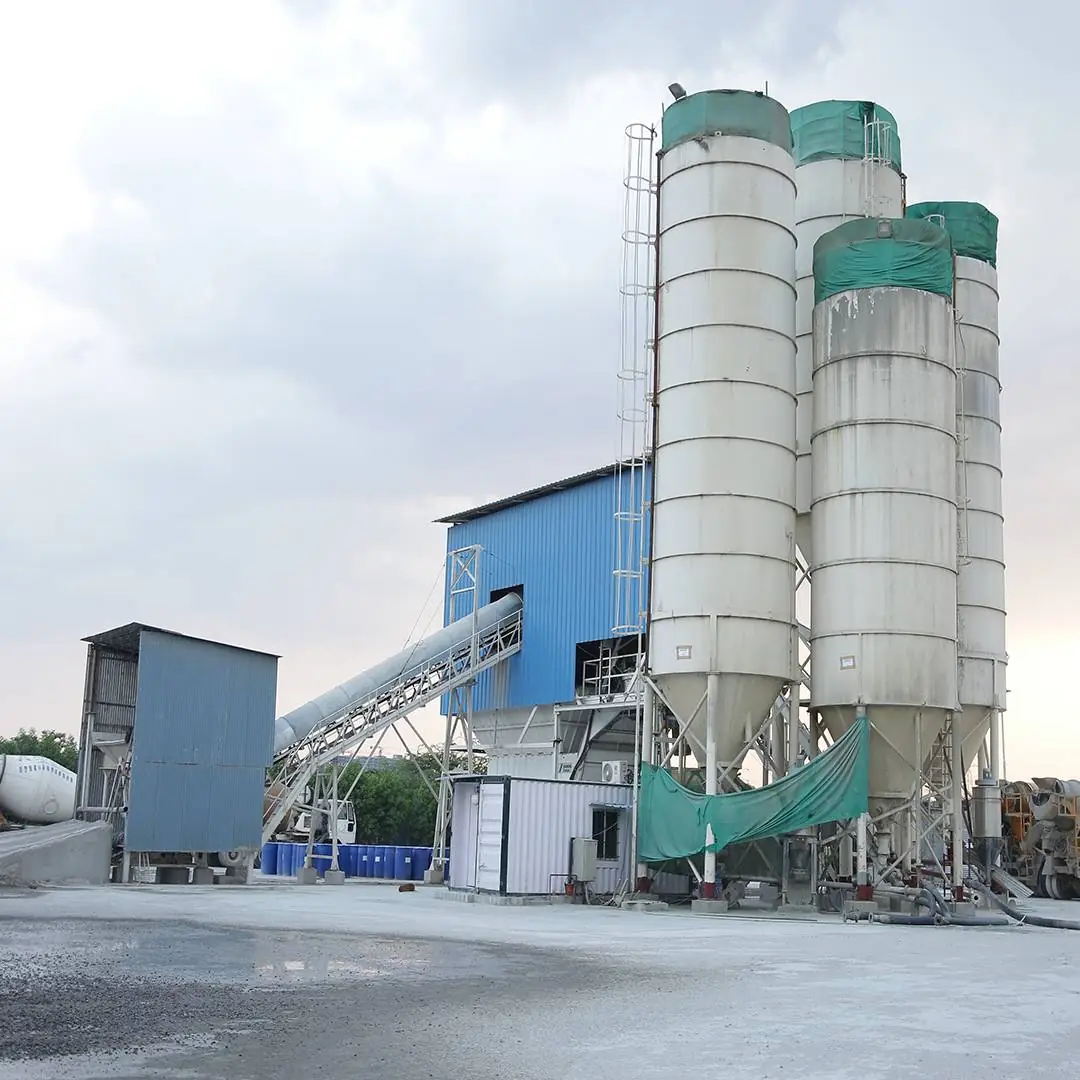
Ready Mix Concrete (RMC) is a pre-mixed concrete that is manufactured in a controlled batching plant environment using precise proportions of cement, aggregates, water, and admixtures. Once prepared, it is transported to the construction site in specialized transit mixers, ready for immediate use.
Unlike traditional concrete mixing done manually at the site, RMC ensures uniformity, consistency, and superior quality due to controlled production conditions. This eliminates variations in mix proportions and reduces the chances of human error.
Why Ready Mix Concrete Is Preferred in Modern Construction?
Modern projects require speed, uniformity, and compliance. RMC delivers on all fronts:
- Predictable quality across large volumes
- Faster execution with minimal on-site preparation
- Lower dependency on labor and storage space
- Reduced environmental impact (less dust, waste, and noise)
This makes RMC the standard choice for high-rise, commercial, and infrastructure projects.
Ready Mix Concrete vs Site Mix Concrete (Quick Overview)
While both serve the same purpose, the way they are produced creates significant differences in performance and efficiency.
- Production: RMC is manufactured in automated plants, while site mix concrete is prepared manually at the location
- Quality: RMC offers consistent and controlled quality; site mix depends heavily on labor and supervision
- Speed: RMC accelerates construction timelines, whereas site mixing can slow down progress
- Waste: Minimal in RMC; higher in site mixing
- Suitability: RMC is ideal for medium to large projects, while site mix is typically used for smaller works
For most modern projects, especially where scale and quality are critical, ready mix concrete is the more reliable option.
Advantages of Ready Mix Concrete
Ready mix concrete is not just about convenience, it directly impacts construction speed, structural performance, and long-term project efficiency. The following advantages highlight why RMC has become the preferred choice across modern construction projects:
-
Faster Project Execution
RMC eliminates the need for on-site mixing, enabling continuous construction activities and significantly reducing project timelines.
-
Consistent Quality and Strength
Produced under controlled conditions, RMC ensures uniformity in every batch, which is essential for structural stability and durability.
-
Improved Work Efficiency
Construction teams can focus on placement and finishing rather than material preparation, improving overall productivity.
-
Reduced Material Wastage
Precise batching ensures optimal use of materials, minimizing excess consumption and reducing costs.
-
Better Environmental Performance
By reducing dust, noise, and raw material storage at sites, RMC contributes to cleaner and more sustainable construction practices.
-
Long-Term Cost Benefits
Although initial costs may seem higher, savings in labor, time, and maintenance make RMC a cost-effective solution over the lifecycle of a project.
-
Flexibility in Mix Design
RMC can be customized for different applications—whether it’s high strength, quick setting, or enhanced durability.
-
Safer Construction Sites
With fewer materials stored on-site and less manual handling, the risk of accidents is significantly reduced.
Key Ingredients of Ready Mix Concrete
The performance of ready mix concrete depends on the quality and proportion of its ingredients:
- Cement: Acts as the primary binding material that holds all components together.
- Fine Aggregates (Sand): Fill voids between coarse aggregates and improve workability.
- Coarse Aggregates (Gravel/Crushed Stone): Provide structural strength and form the bulk of the mix.
- Water: Initiates the hydration process, enabling the concrete to harden.
- Fly Ash: A supplementary cementitious material that improves durability, reduces heat generation, and enhances long-term strength.
- Chemical Admixtures: Used to modify properties such as setting time, workability, and resistance to environmental conditions.
Each ingredient plays a specific role, and precise proportioning ensures optimal performance.
Types of Ready Mix Concrete
Ready mix concrete is not a one-size-fits-all solution—different types are engineered to meet specific construction requirements, performance needs, and environmental conditions.
-
Transit Mixed Concrete
Transit mixed concrete is a type of ready mix concrete that is mixed inside the rotating drum of a transit mixer during its journey from the batching plant to the construction site. It is used to maintain workability and freshness over longer travel times, ensuring the concrete does not set before placement. This type is commonly used in urban and semi-urban projects where batching plants are located at a distance and flexibility in delivery is required.
-
Central Mixed Concrete
Central mixed concrete is fully mixed at the batching plant before being transported to the site, resulting in a highly uniform and consistent mix. It is used when superior quality control and precise mixing are essential, as the entire process is completed under controlled conditions. This type is commonly used in large-scale infrastructure projects, commercial developments, and high-performance structural applications.
-
Shrink Mixed Concrete
Shrink mixed concrete is partially mixed at the batching plant and then further mixed during transportation in the transit mixer to achieve the final consistency. It is used to optimize plant efficiency while still ensuring proper blending of materials before placement. This type is commonly used in projects that require high-volume concrete supply with a balance between production speed and mix quality.
-
Self-Compacting Concrete (SCC)
Self-compacting concrete is a highly flowable concrete that spreads into formwork and around reinforcement without the need for vibration. It is used to ensure complete compaction in complex structures where traditional vibration methods are difficult or impractical. This type is commonly used in densely reinforced elements such as columns, beams, and intricate architectural structures.
-
Fiber-Reinforced Concrete
Fiber-reinforced concrete is produced by adding fibers such as steel, glass, or synthetic materials to the mix to enhance its tensile strength and crack resistance. It is used to improve durability and reduce shrinkage-related cracking under stress conditions. This type is commonly used in industrial flooring, pavements, and structures subjected to heavy loads or dynamic forces.
-
High-Strength Concrete
High-strength concrete is designed to achieve higher compressive strength than standard concrete by using optimized mix proportions and advanced admixtures. It is used in structures that require greater load-bearing capacity and long-term durability. This type is commonly used in high-rise buildings, bridges, and critical infrastructure projects.
-
Lightweight Concrete
Lightweight concrete is made using lightweight aggregates to reduce the overall density of the concrete without significantly affecting its strength. It is used to decrease the dead load of structures, making construction more efficient and cost-effective. This type is commonly used in high-rise buildings, long-span structures, and precast elements.
-
Pervious (Permeable) Concrete
Pervious concrete is a porous type of concrete that allows water to pass through it, reducing surface runoff and promoting groundwater recharge. It is used to improve drainage and manage stormwater in urban environments. This type is commonly used in pavements, parking areas, walkways, and landscaping applications.
-
Green Concrete
Green concrete is an environmentally friendly concrete that incorporates materials like fly ash, slag, or recycled aggregates to reduce the environmental impact of construction. It is used to enhance sustainability while maintaining strength and durability. This type is commonly used in eco-friendly construction projects and developments focused on green building practices.
-
Colored Concrete
Colored concrete is produced by adding pigments to the mix to achieve a desired color and finish without affecting structural properties. It is used to enhance the aesthetic appeal of construction while maintaining durability. This type is commonly used in architectural facades, pathways, flooring, and decorative elements.
-
Stamped Concrete
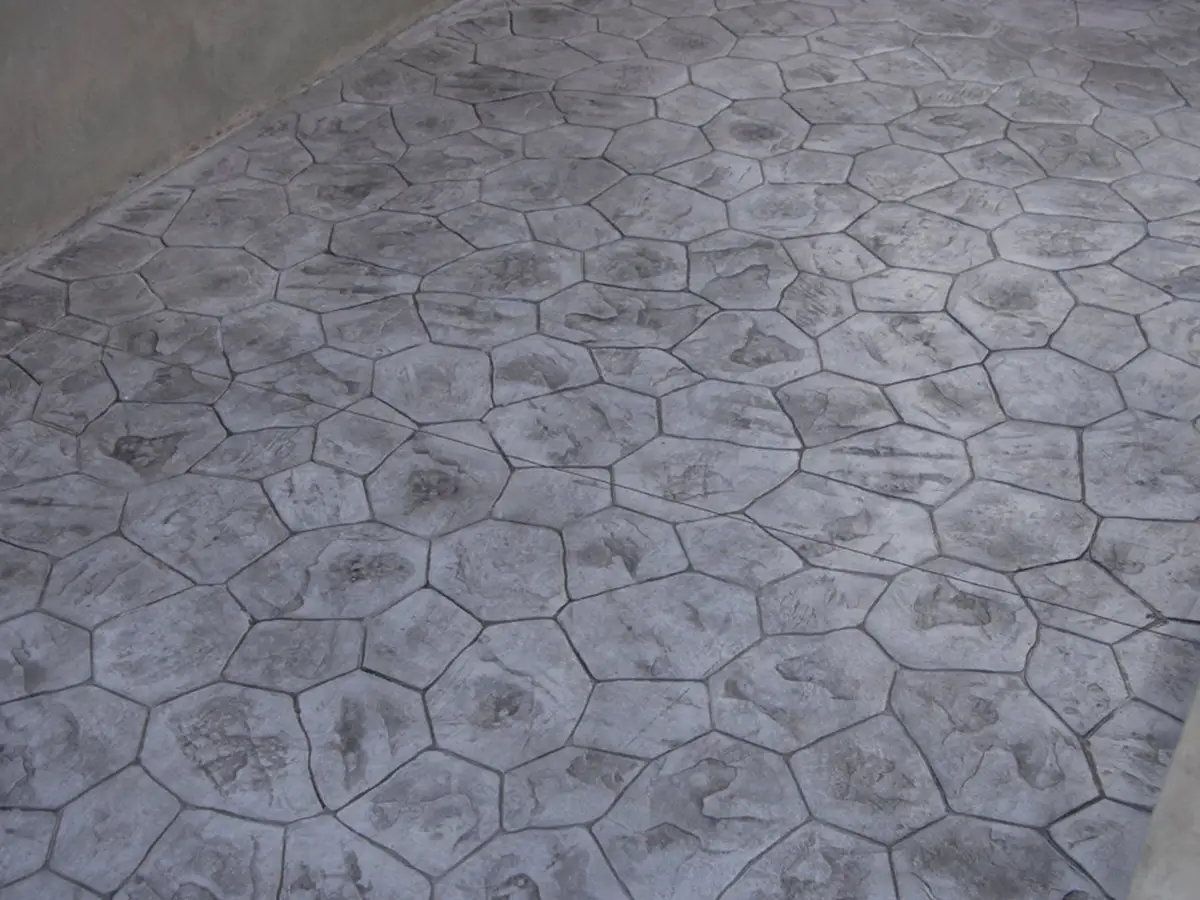
Stamped concrete is concrete that is patterned or textured to resemble natural materials such as stone, brick, or tile. It is used to achieve decorative finishes at a lower cost compared to traditional materials. This type is commonly used in driveways, patios, walkways, and outdoor landscaping areas.
-
Advanced / Smart Concrete
Advanced or smart concrete refers to specially engineered concrete designed with enhanced performance characteristics such as improved durability, self-healing capabilities, or structural monitoring features. It is used in projects that require long-term performance, innovation, and reduced maintenance. This type is commonly used in modern infrastructure, high-tech buildings, and specialized engineering applications.
Grades of Ready Mix Concrete Explained
Concrete grades indicate the compressive strength of concrete after 28 days.
- M20: Suitable for residential flooring and small structures
- M25: Used for reinforced concrete structures
- M30 & Above: Ideal for heavy-duty and high-rise construction
The “M” stands for mix, and the number represents strength in megapascals (MPa). Higher grades offer greater durability and load-bearing capacity.
Key Applications of Ready Mix Concrete
Ready mix concrete is widely used across construction projects due to its consistency, strength, and adaptability. From small residential works to large-scale infrastructure, RMC supports faster execution and reliable structural performance.
-
Residential Construction
Used in foundations, slabs, columns, and beams, ready mix concrete ensures uniform strength and durability in homes and apartments. It is also commonly used for driveways, terraces, and compound walls where finish quality and crack resistance matter.
-
Infrastructure Projects
RMC is essential for roads, bridges, flyovers, and dams, where high strength and durability are critical. Its consistent quality makes it suitable for handling heavy loads and long-term environmental exposure.
-
Commercial and Industrial Construction
In offices, malls, factories, and warehouses, ready mix concrete is used for structural frameworks and flooring systems. It provides the strength required for high-traffic and load-bearing applications.
-
Urban Infrastructure and Utilities
Used in drainage systems, pavements, and public utilities, RMC helps create durable and low-maintenance urban infrastructure that withstands continuous use.
-
High-Rise Construction
Ready mix concrete ensures consistent strength across multiple floors and supports efficient vertical construction. Specialized mixes are often used for pumping concrete to greater heights.
-
Decorative and Landscaping
RMC is also used in walkways, patios, and decorative finishes such as stamped and colored concrete, offering both durability and aesthetic appeal.
Process of Making Ready Mix Concrete
The quality and performance of ready mix concrete depend on a well-defined and controlled production process.
Here’s how ready mix concrete is manufactured and delivered for use:
-
Material Sourcing and Storage
Raw materials such as cement, aggregates, and fly ash are sourced from approved suppliers and stored under controlled conditions to prevent contamination and moisture variation.
-
Automated Batching
Each ingredient is measured using computerized batching systems. This ensures precise proportions based on the required concrete grade and performance specifications.
-
Mixing
Materials are mixed in high-capacity mixers to achieve a uniform and homogeneous blend. The mixing process is carefully timed to ensure proper coating of aggregates and consistent workability.
-
Quality Control Testing
Before dispatch, the concrete undergoes multiple tests:
- Slump test for workability
- Compressive strength test for durability
- Temperature and consistency checks
These tests ensure that the mix meets design and safety standards.
-
Transportation
Concrete is transported in transit mixers that continuously rotate to prevent segregation and premature setting. Delivery timing is carefully managed to ensure the concrete is used within its workable period.
-
Placement and Final Checks at Site
Once delivered, the concrete is placed into formwork and compacted (if required). Site-level checks ensure proper finishing and curing practices are followed.
How Quality Is Ensured in Ready Mix Concrete?
Quality assurance is built into every stage of RMC production:
- Continuous monitoring of raw materials
- Automated batching for accuracy
- Laboratory testing for strength and durability
- Compliance with industry standards
This systematic approach ensures that the concrete delivered performs as expected under real-world conditions.
Why Choose Aparna Enterprises for High-Quality Ready Mix Concrete?
Choosing the right ready mix concrete supplier is as important as selecting the right mix. Aparna Enterprises combines advanced technology, scale, and trust to deliver reliable concrete solutions for modern construction needs.
-
German Engineered Automated Batching Plants
Precision-driven batching plants ensure consistent quality, accurate mix proportions, and minimal variation across batches.
-
350+ Transit Mixers for Timely Delivery
A large fleet enables efficient logistics, ensuring that concrete reaches the site on time without compromising freshness.
-
Trusted by Top Builders Nationwide
Aparna Enterprises has built long-standing relationships with leading developers, reflecting reliability and performance across diverse projects.
-
QCI Certified Quality Standards
Strict adherence to certified quality processes ensures that every batch meets required strength and durability benchmarks.
With a strong focus on technology, quality, and execution, Aparna Enterprises supports projects that demand consistency and scale.
Takeaway
Ready Mix Concrete has become the foundation of efficient and high-quality construction, offering unmatched consistency, speed, and performance compared to traditional methods. Its ability to adapt to diverse project requirements makes it an essential material in today’s construction landscape.
For projects that demand reliability and precision, choosing the right concrete and the right partner is crucial. Connect with Aparna Enterprises to ensure your construction is built with consistency, quality, and confidence.
Frequently Asked Questions On Ready Mix Concrete
Yes, RMC can be designed with specific properties such as higher strength, faster setting time, or improved durability based on project requirements.
RMC does not follow fixed ratios; it is designed using specific mix proportions based on required strength and application.
Strength is measured using compressive strength tests, typically conducted after 7 and 28 days.
M20 or higher grades are commonly used, depending on structural requirements.
Initial setting occurs within hours, but full strength is achieved after about 28 days.
ABOUT APARNA RMC
Aparna RMC leads the industry with expansive mixing technology, the largest single-pouring capacity, and the broadest production footprint across Telangana, Andhra Pradesh, Maharashtra, and Karnataka. Investing in cutting-edge technologies and research, we offer a comprehensive portfolio of concrete solutions for projects ranging from residential to mega-industrial. We produce over 1.8 million cubic meters annually and utilize fully automated batching plants and seamless digitalized operations. With 29 plants, 70 transit mixers, and 5 boom pumps, we cater to high-rise structures and dynamic construction needs. Our made-to-order concrete guarantees precise grades and quantities, delivered by our dedicated fleet, 24/7.
Visit WebsitePRODUCT IMAGES


Start Your Project with the Right Materials
We provide everything you need for modern construction. Connect with our experts to discuss your requirements and get the best solution for your project. Submit your details and our team will contact you soon.
CORPORATE OFFICE
8-2-293/82/A, Plot No-1214, Road No-60,
Jubilee Hills, Hyderabad-500 033.