uPVC Window and Door Profiles
uPVC Profile For Doors And Windows: Types, Features & Benefits
uPVC profiles play a crucial role in modern living spaces. From aesthetic appeal to durability, today’s homes require windows and doors that are energy-efficient, environmentally friendly, and provide superior noise insulation. uPVC is the perfect choice for modern homeowners who prefer long-term cost savings, without compromising on performance.
In this page, we cover what uPVC profiles are, key benefits, their types, and the manufacturing process.
What are uPVC Profiles in Windows & Doors?
uPVC profiles are tough, strong components of doors and windows used in modern construction. These unplasticized polyvinyl chloride profiles serve as a primary material for frames and sashes of window and door systems.
The frame and sash components offer the skeletal framework by holding glass, hardware (hinges and locks), and steel reinforcement for durability.
Key Features And Benefits Of uPVC Profiles
uPVC profiles are the main part of the window structure. Here, let’s learn about uPVC profiles’ features and benefits in detail.
-
Weather Resistance & Durability
uPVC profiles are rigid, strong, and engineered to withstand intense heat, heavy rain, and coastal humidity. They offer excellent durability, so they do not rot, wrap, crack, corrode, or fade under extreme climates. Unlike wood, they are resistant to termites.
-
Energy Efficiency & Insulation
uPVC material is a poor conductor of heat, so it provides superior thermal insulation and reduces the need for cooling or heating. This results in lower energy bills.
-
Low Maintenance
They are easy to maintain and need only minimal upkeep. These profiles can be cleaned with a soft cloth and water, and they do not require painting or varnishing.
-
High Security
Unplasticized polyvinyl chloride provides high security due to its inherent strength, usage of steel reinforcements, and multi-locking systems. They are designed for protection against break-ins.
-
Soundproofing
They act as a sound barrier by reducing the outdoor noise. When combined with glazing and proper sealing, it creates a serene environment inside homes.
-
Fire Retardant & Safety
uPVC profiles are known for their high safety standards and inherent fire-retardant properties.
This means the best uPVC profiles do not easily ignite and support combustion, so they are widely used in modern construction.
-
Eco-Friendly
uPVC profiles are eco-friendly because they do not contain lead. Also, these profiles can be recycled multiple times, reducing environmental impact.
Key Types of uPVC Profiles
uPVC profiles are the backbone of modern doors and windows. Let’s explore the different types of uPVC profiles below:
-
Casement Profiles
The casement profile window and door systems are hinged on the side, allowing the sash to open either inward or outward. These offer superior sealing to control noise and dust. They are widely used in residential, commercial, and other specialised areas.
-
Sliding Profiles
These are horizontal sliding systems that allow the sashes to glide smoothly on tracks. They are available in 2 or 3-track systems for holding multiple sashes. They offer space-saving functionality, modern aesthetics, and better energy efficiency. They are suitable for small rooms, balconies, patios, kitchens, and bathrooms.
-
Tilt-and-Turn Profiles
This type of uPVC window and door systems feature a dual-action mechanism, allowing the window to tilt from the top or swing open from the side
These are designed to offer superior energy efficiency, security via multi-point locking, and weather resistance. These types of profiles are widely used in high-rise apartments, kitchens, bathrooms, narrow spaces, and balconies.
-
Fixed Profiles
Unlike other counterparts, these are stationary frames that do not open or close. They are designed for maximising light and views, security, and energy efficiency. These are used in noisy areas, high-rise apartments, staircases, and corridors.
-
Villa Profiles
These are specialised profiles mostly used in high-rise or villa projects for enhancing the structural strength. They also feature an in-built grill and mosquito meshes. They prevent forced entry, offer optimal sound insulation, and energy efficiency. They are used in high-rise villas, bungalows, and luxury homes.
-
French Window/Door Profiles
It features a double-sash profile, hinged from the sides and designed to open from the center, either outwards or inwards. These uPVC profiles for doors and windows offer unobstructed openings, thermal insulation, durability, and aesthetics. These profiles are employed in apartments, high-rise buildings, and commercial spaces.
-
Specialized/Supporting Profiles
Supporting uPVC profiles are additional or supporting parts that help build and finish a window. Couplers, mullions, beads, interlocks, trims, and drip bars are some of the components used in making a window or door.
uPVC Profile Manufacturing Process
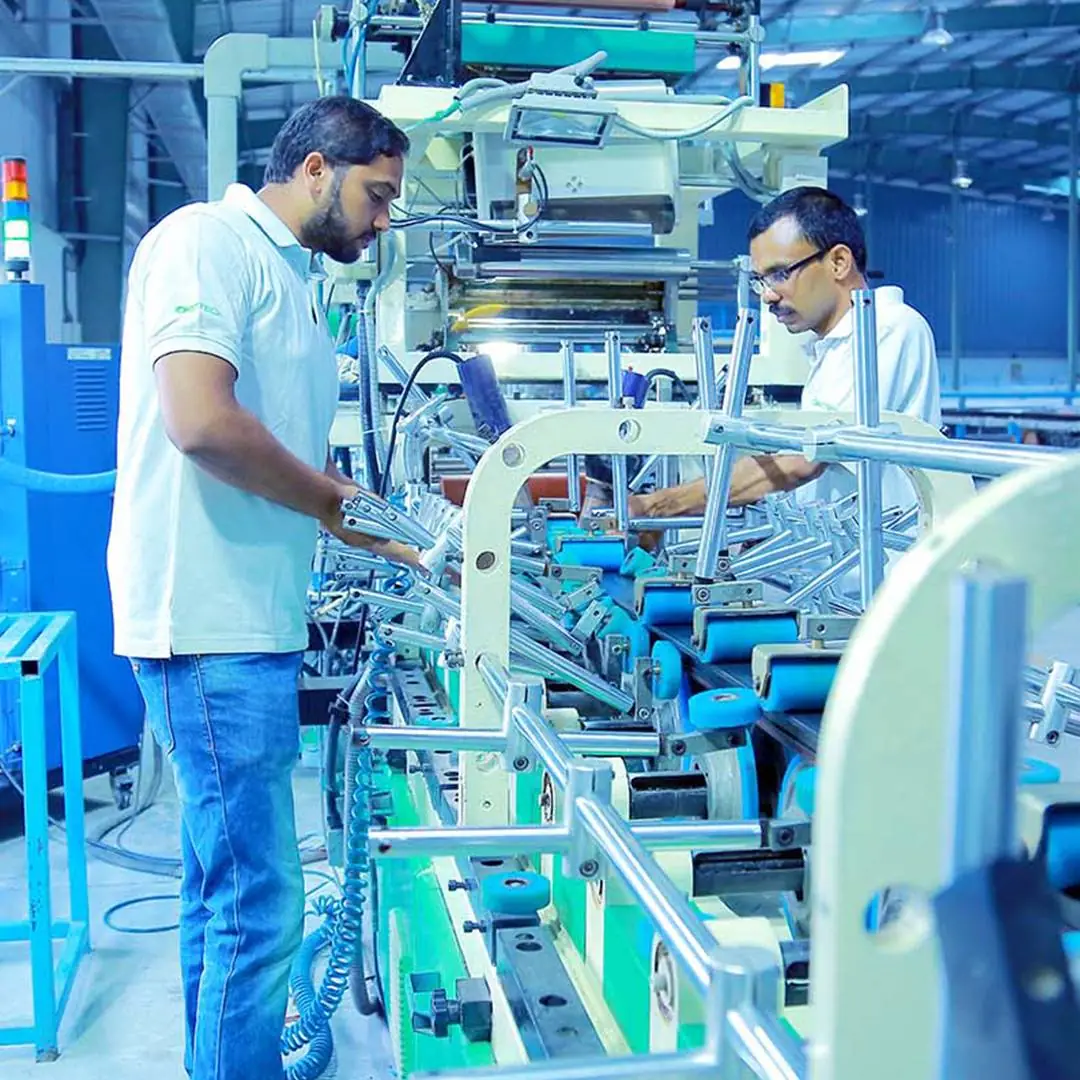
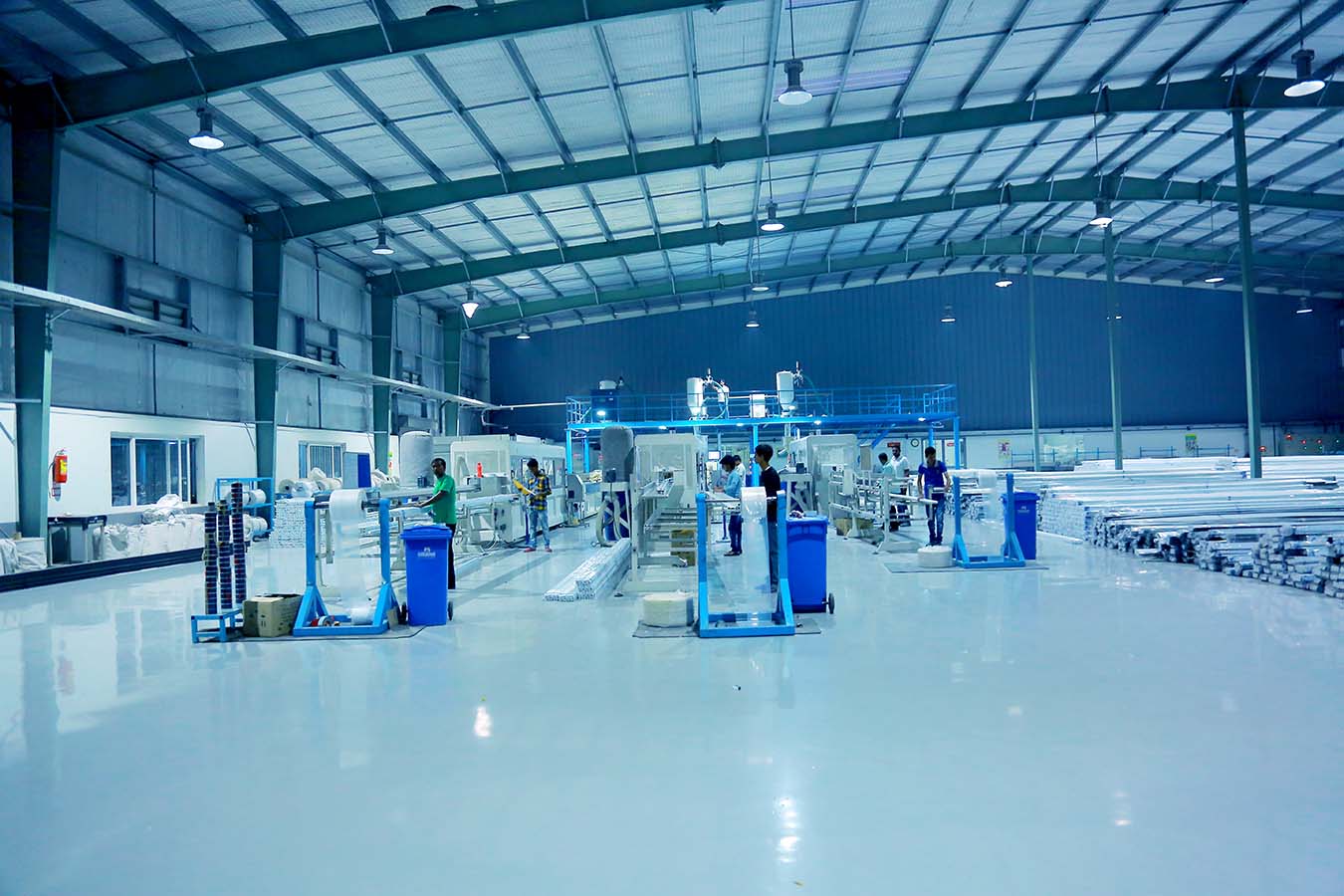
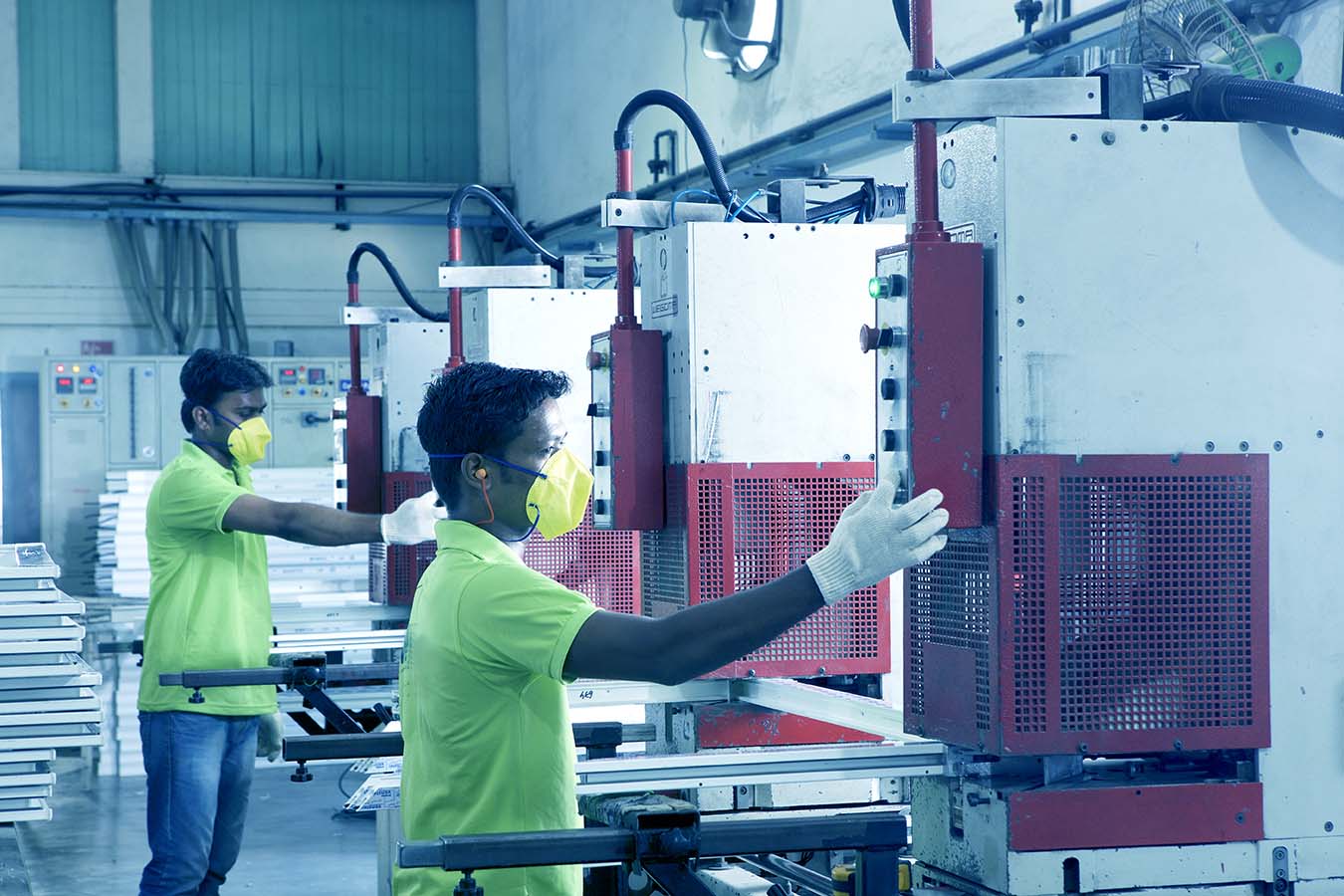
The uPVC profile manufacturing process is a technical and automated process, involving various steps. Here, let’s understand the step-by-step overview of the manufacturing process:
-
Raw Material Mixing
This is the first step where PVC resin is combined with additives like stabilizers, lubricants, impact modifiers, and coloruing pigments, including Titanium dioxide (TiO2) and a lower level of Calcium Carbonate (CaCO3) to create a mixed compound or resin mix. All raw materials used are 100 percent lead-free.
-
Extrusion (Melting & Shaping)
The resin mix is then passed into a twin-screw extruder to melt the material at temperatures ranging between 200 and 275 degrees Celsius. The molten uPVC is then passed through a shaped die (mold) to give the profile its shape, as it gets pulled and stretched from the extruder.
-
Vacuum Calibration & Cooling
The uPVC profiles then enter a calibration table where they are treated with cooled water to solidify the structure.
-
Haul-off and Cutting
A haul-off machine is used to pull the profile at a speed. At the same time, the extruded profiles are cut into standardised shapes.
-
Surface Finishing & Inspection
The cutting is followed by surface finishing, which includes protective filming or lamination. Later on, these profiles undergo thorough inspection to ensure quality and durability before they are packed.
Why Choose Aparna Enterprises Limited for UPVC Profiles?
Aparna Enterprises Limited (AEL) is a premier choice for uPVC profiles in modern construction because they provide a high-performing alternative to traditional materials. Here’s why you need to choose AEL’s uPVC profiles.
- 100% Lead-Free: Aparna at any stage of its manufacturing process does not use lead, which is known for its high toxicity and melting point, making our profiles eco-friendly.
- Wide Typologies & Colours: AEL’s profiles come in a wide variety of shapes, sizes, and designs to suit various requirements. They are also available in various UV-stable colour options to choose from. UV-stable colours are designed to resist fading and degradation when exposed to sunlight.
- State-of-The-Art Manufacturing Facility: AEL operates a state-of-the-art manufacturing facility for its uPVC profiles. This facility uses advanced German imported extrusion technology to produce profiles tailored for Indian conditions.
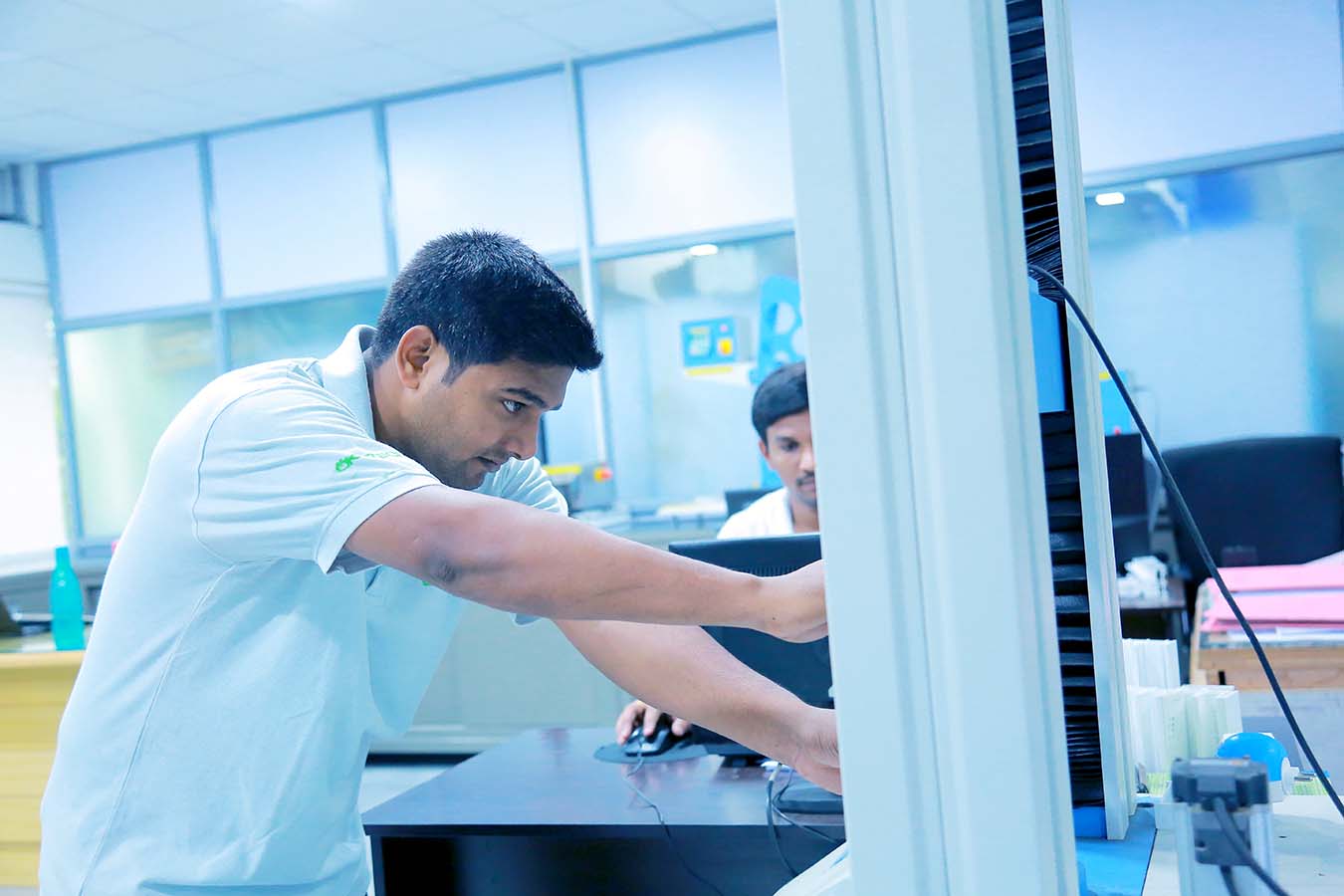
- In-House R&D Labs: Aparna’s R&D is the backbone of quality. Our In-house NABL-accredited labs ensure strict quality control and maintain high standards.
Takeaway
uPVC profiles are unplasticized polyvinyl chloride components that form the base of the frame and sash structure of modern doors and windows. uPVC profiles are a preferred choice in modern construction because they are reinforced with galvanized steel, hold glass and hardware to provide superior insulation, security, and resistance against weather. Planning to elevate your home’s aesthetic appeal? Contact AEL today to seek professional guidance.
Frequently Asked Questions On uPVC Profiles
The standard thickness of uPVC window profiles is 2.5 mm to 3.0 mm. For the double-glazed unit, the uPVC profile sizes (thickness) are 24 mm to 28 mm. For individual glass panes, the thickness ranges between 4 mm and 6 mm.
uPVC profiles are available in a wide range of colours. Some of the colour options include standard white, ivory, grey, black, blue, and others. They are also available in wood grain laminates such as Mahogany, Walnut, Golden Oak, Dark Oak, and Rustic Oak.
uPVC window and door profiles typically last between 25 and 40 years, with proper maintenance and minimum upkeep. However, locks and hinges may need replacement after a few years.
No, quality uPVC profiles do not fade easily because they are engineered with UV-resistant pigments. But going with quality profiles from substandard producers may lead to fading in a short time.
ABOUT ÖKOTECH
Ökotech manufacturing facility is equipped with a state-of-the-art extrusion unit in Hyderabad to produce premium grade uPVC profiles. Discoloration, heat and impact resistance, and precision molding define the quality of our uPVC formulations. Certified machinery, stringent quality monitoring, and dynamic customization ensure that our profiles align with the relevance and requirements of most industry use cases.
Visit WebsitePRODUCT IMAGES
Start Your Project with the Right Materials
We provide everything you need for modern construction. Connect with our experts to discuss your requirements and get the best solution for your project. Submit your details and our team will contact you soon.
CORPORATE OFFICE
8-2-293/82/A, Plot No-1214, Road No-60,
Jubilee Hills, Hyderabad-500 033.