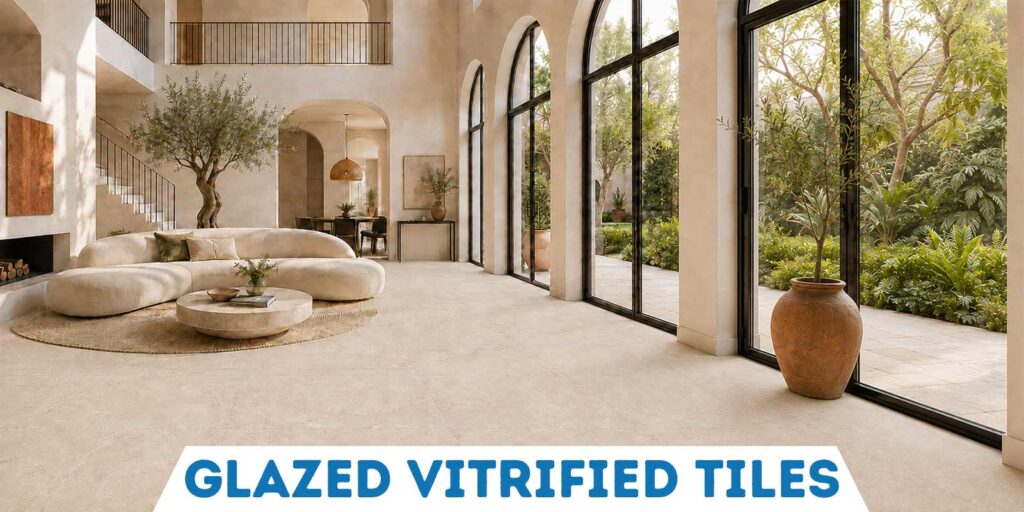
India is a dominant player in the tile manufacturing sector, as it is the second-largest tile producer in the world. With rapid urbanisation and evolving user demands, there is a huge demand for durable and innovative tiles. To meet this demand, manufacturers are also implementing modern technologies to produce premium tiles.

If you are constructing a home or renovating your space, then choosing the right tile manufacturer is inevitable for long-lasting performance and improving the visual appeal.

In this write-up, let’s explore different types of available tiles, how to choose the best tile manufacturers in India, the latest trends in tiles, and also why choosing a reputed brand like Aparna Enterprises is worth every penny you invest.

Types of Tiles Offered by Indian Manufacturers

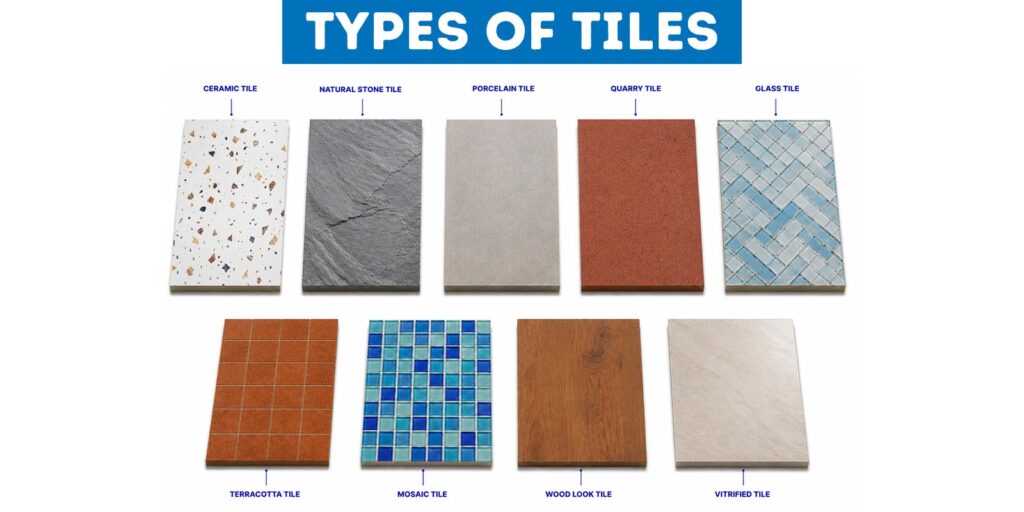
Manufacturers in India offer different types of tiles to suit residential and commercial constructions. Here are some popular tile types offered in India:

  • Ceramic Tiles: These are affordable tiles made from fired clay. They often feature a glazed finish. Ceramic tiles are used as kitchen walls, bathroom floors (residential), and moderate foot traffic areas.
  • Vitrified Tiles: These tiles are produced through the vitrification process. Raw materials like clay, silica, and feldspar are heated at high temperatures, resulting in a durable and non-porous tile.  Vitrified tiles are used in high-traffic areas, modern living rooms, and kitchen countertops.
  • Porcelain Tiles: These tiles are a denser, less porous variant of ceramic. They are fired at higher temperatures to make them resistant to water. Common usage of these tiles includes bathrooms, kitchens, outdoor areas, and high-traffic spaces.
  • Natural Stone Tiles: These tiles are cut from marble, granite, or slate. Natural stone tiles are known for offering high-end aesthetics. Stone tiles are widely used for luxury flooring, accent walls, and exterior landscaping.
  • Glass Tiles: In this type, small pieces of glass are arranged in a grid to create bright, reflective surfaces. They are used for backsplashes, shower surrounds, and swimming pools.
  • Mosaic Tiles: These are tiny, decorative, patterned tiles made from ceramic, stone, or glass. Mosaic tiles are used for accent walls, bathroom flooring, and swimming pools.
  • Terrazzo Tiles: These tiles are made from fired clay tiles. They are known for their rustic, earthy look, reddish-brown colour, and cooling properties. Mostly used for courtyards, outdoor patios, and rustic interior designs.
  • Cement Tiles: These are handmade tiles, pigmented with cement or marble powder to offer exclusive designs. These are used for indoor floors, accent walls, and trendy commercial spaces.
  • Terracotta Tiles: These tiles are made from fired clay tiles. They are known for their rustic, earthy look, reddish-brown color, and cooling properties. Mostly used for courtyards, outdoor patios, and rustic interior designs.

How to Choose the Right Tile Manufacturer?

The success of a project depends a lot on the right tile manufacturer. In this section, let’s understand a few factors to select a reputable manufacturer.

  1. Manufacturing Quality & Standards: Check for certain certifications like ISO 9001 and other licenses. Make sure the tiles meet specific water absorption percentages. You can request a sample to check the thickness and edges, and also laboratory reports for checking the breaking strength.
  2. Experience & Reputation: Always go with companies that have vast experience and a reputation. Go through testimonials, and forum reviews. Check the company history with large-scale developments.
  3. Design & Variety: Choose a manufacturer who offers tiles in various designs and sizes. Also confirm availability of matte, glossy, satin, and anti-skid surfaces.
  4. Infrastructure & Technology: Prefer a manufacturer who uses the latest machinery and advanced technology in the making of tiles. Verify if the manufacturer is following eco-friendly process like onsite recycling systems (water) and energy-efficient kilns.
  5. Logistics & Delivery: Choose a company with a wide transport network and regional distribution hubs. Ensure their transit schedules match your specific deadlines. Inquire about coverage for breakage during transportation.
  6. Customer Service & Support: Assess their communication clarity when inquiring for quotes. Ensure they offer on-site installation guidance and post-sales support, in case you face any issues.

Latest Trends in the Indian Tile Industry

Tile manufacturers regularly upgrade manufacturing processes and technology to offer better and more innovative tiles. Here, let’s see the latest trends in the tile sector.

  • Large-Format Tiles & Slabs: Large-format tiles are the latest trend. For example, tiles with sizes 600×1200 and above are in great demand because they reduce grout lines. Besides flooring, these tiles are now also used on walls.
  • Natural & Aesthetic Finishes: There is a huge demand for tiles mimicking natural elements like wood and natural stone. Beige, greige, terracotta, and off-whites are some of the trending colours.
  • 3D Surfaces: There is a growing demand for digitally printed 3D textures. These tiles offer visual depth in spaces like accent walls and kitchen backsplashes. Tile surfaces with fluted and ribbed finishes are replacing plain surfaces.
  • Advanced and Eco-friendly Manufacturing: Manufacturers are adopting sustainable production methods and using recycled materials that emit low carbon emissions. The zero-waste glaze process is being widely adopted across the industry.

Why Does the Right Tile Manufacturer Impacts Your Project Success?

Choosing the right tile manufacturer is important for avoiding hiccups in project completion. Here, let’s see how a right manufacturer impacts your project:

  • Durability & Longevity: A reputed manufacturer produces tiles that absorb less water (less than 0.5 percent) and provide high breaking strength (≥ 300 N). Tiles produced by the right company are resistant to cracking and chipping.
  • Aesthetic Appeal: Top companies make use of state-of-the-art pressing machines to guarantee uniform size and allow thin grout lines. Leading companies offer finishes like high-gloss, soft matte, honed, and other premium textures, which prevent fading and uneven reflections.
  • Cost Efficiency: Buying from established manufacturers provides long-term value because they reduce downtime, maintenance, and replacement costs. Verified suppliers provide cost-effective tiles by following strict quality controls and reducing waste.
  • Timely Completion: A reliable manufacturer supplies stock without delay, preventing costly project delays, and delivers the project site on time without any breakage or damage.  They also ensure batch consistency to avoid costly rework.
  • Installation Quality: Purchasing from a quality manufacturer helps in preventing installation flaws and delivers visual appeal. They use advanced grinding and calibration to maintain uniformity in length, width, and thickness across the tile.

What Makes Aparna Enterprises a Preferred Tile Manufacturer?

Aparna tiles have become a preferred choice for house owners and builders because of the following features.

  • Manufacturing Excellence: Aparna’s premium tiles are produced by industry-leading SACMI and KEDA.s
  • Imported raw Materials: Aparna imports top-quality clay from Ukraine, Malaysia, and Turkey.
  • Use of Nanotechnology: AEL uses advanced nanotechnology to create high-gloss, stain and scratch-resistant tile surfaces.
  • Advanced Lab: Raw materials and finished products are tested in AEL’s advanced lab. Some of the equipment includes an XRF machine, a Dilatometer, and a `MOR machine, among others.
  • Decades of Trust: With a vast experience of over three decades, AEL has built trust and reliability among stakeholders to emerge as one of India’s leading building materials manufacturers and suppliers.

Takeaway

India makes diverse, durable, eco-friendly tiles that suit every residential and commercial project. Tiles are available in a wide variety of designs – vitrified, ceramic, and eco-friendly – to suit different interiors and fulfil functional needs.

The key to achieving this result depends a lot on the tile manufacturer. This is because selecting the right manufacturer helps save your valuable time, avoids costly delays, and ensures structural longevity.

A trusted brand in India like Aparna Enterprises ensures durability, design excellence, and long-term value. If you are looking for a reliable partner to transform your home, look no further than Aparna Enterprises.

With Aparna’s reliable supply chains, technical support, and strict quality control, you can achieve the desired look.

Choosing the right tile is one of the most consequential decisions in any home or commercial project in India. The different types of tiles available today range from budget-friendly ceramic tiles for bathroom walls to large-format vitrified slabs for premium living rooms, and each type serves a specific purpose. India is also one of the world’s largest tile manufacturing hubs — Morbi in Gujarat alone produces over 70% of the country’s tiles, supplying both domestic and global markets.

This guide breaks down every type of tile available in India by material, application, finish, and size — with specifications, ideal uses, and price ranges in Indian Rupees per square foot. By the end, you will know exactly which type of tile suits your space, your climate, and your budget.

Quick Reference: Types of Tiles at a Glance

Before diving into each type of tile in detail, this comparison table summarizes the most common types of tiles in India along with their primary uses, water absorption, durability, price, and maintenance level.

Type of Tile

Best Use

Water Absorption

PEI Rating

Price (₹/sq ft)

Maintenance

Vitrified Tiles Floors, walls (indoor) < 0.5% PEI 4–5 ₹40–₹200 Low
Ceramic Tiles Walls, dry rooms 3–7% PEI 1–3 ₹30–₹120 Low
Porcelain Tiles Wet areas, outdoor < 0.5% PEI 4–5 ₹60–₹250 Very Low
Marble Tiles Living rooms, foyers 0.5–2% Varies ₹150–₹800+ High
Granite Tiles Kitchens, staircases < 0.4% High ₹100–₹400 Medium
Mosaic Tiles Accent walls, pools 1–3% PEI 2–3 ₹80–₹500 Medium
Glass Tiles Backsplashes, accents 0% Low ₹150–₹600 Low
Cement Tiles Patios, feature walls 5–10% PEI 3–4 ₹80–₹300 Med-High
Terracotta Tiles Outdoor, rustic interiors 7–15% PEI 2–3 ₹40–₹150 High
Quartz Tiles Premium floors, counters < 0.5% High ₹200–₹600 Low
Metal Tiles Decorative accents 0% Low–Med ₹300–₹1000+ Medium


NOTE:

The prices mentioned above and throughout this article are provided for informational purposes only. These prices do not apply to the tile ranges manufactured by Aparna Enterprises.

Explore our exclusive tile range and connect with our team for detailed product information and pricing.

Types of Tiles Based on Material

The most common way to classify the different types of tiles is by the material used to make them. Each material has unique properties around strength, water absorption, finish options, and price. The ten major types of tiles by material used across Indian homes and projects are described below.

Vitrified Tiles — India’s Most Popular Choice

Vitrified tiles are the most widely used type of tile in Indian homes today. They are manufactured by hydraulically pressing a mixture of clay, silica, quartz, and feldspar, then firing the tiles at temperatures above 1,200°C. This vitrification process makes the tile body extremely dense, with water absorption below 0.5%, which is why vitrified tiles dominate Indian flooring across living rooms, bedrooms, and kitchens.

Specifications:

  • Water absorption: Below 0.5%
  • Thickness: 8–12 mm (standard), 18–20 mm (heavy-duty)
  • Standard sizes in India: 600×600 mm, 800×800 mm, 800×1600 mm, 1200×1800 mm
  • Price range: ₹40–₹200 per sq ft
  • Best uses: Living rooms, bedrooms, kitchens, commercial spaces

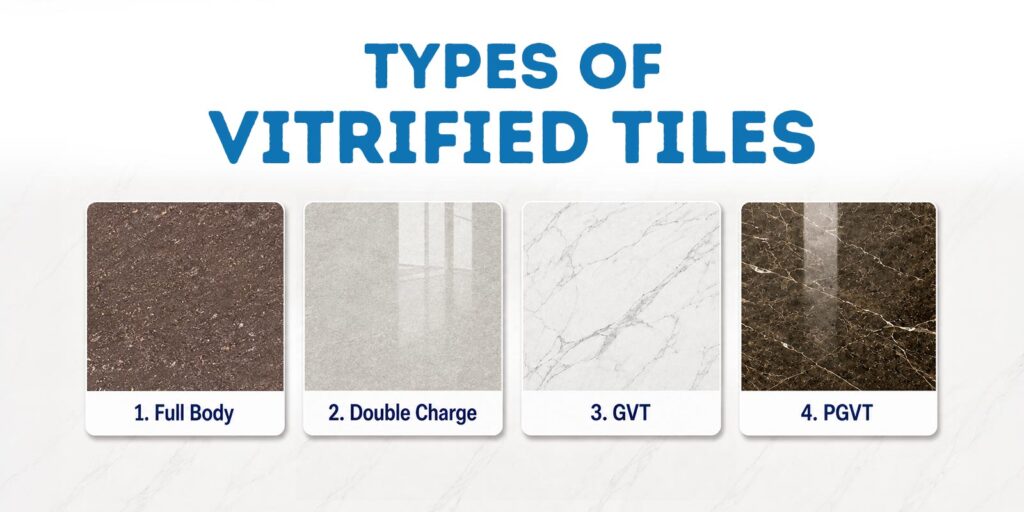
Vitrified tiles in India come in four major subtypes: Full Body Vitrified (uniform colour throughout the tile body), Glazed Vitrified (GVT) with printed surface designs, Double Charged Vitrified (DVT) with a 3–4 mm deep pigment layer, and Polished Glazed Vitrified (PGVT) with a high-gloss finish.

Ceramic Tiles — Affordable and Versatile

Ceramic tiles are one of the oldest and most affordable types of tiles in India. Made from natural clay, sand, and water, they are kiln-fired at lower temperatures (around 1,000°C) than vitrified tiles. Ceramic tiles are softer and more porous (3–7% water absorption), and are widely used for bathroom walls, kitchen backsplashes, and bedroom floors across Indian homes.

Specifications:

  • Water absorption: 3–7%
  • Thickness: 6–10 mm
  • Standard sizes in India: 300×450 mm, 300×600 mm, 600×600 mm
  • Price range: ₹30–₹120 per sq ft
  • Best uses: Bathroom walls, kitchen backsplashes, bedroom floors

Porcelain Tiles — Premium Durability for Wet Areas

Porcelain tiles are a denser, premium subtype of ceramic tiles, manufactured from purer kaolin clay and fired at higher temperatures. With water absorption below 0.5%, porcelain tiles are highly suitable for Indian wet areas like bathrooms, balconies, and outdoor spaces. Technically, porcelain falls under the vitrified category, but it is sold separately in India as a premium choice for moisture-prone areas.

Specifications:

  • Water absorption: Below 0.5%
  • Thickness: 8–20 mm
  • Standard sizes in India: 600×1200 mm, 800×1600 mm, slab formats up to 1600×3200 mm
  • Price range: ₹60–₹250 per sq ft
  • Best uses: Bathrooms, balconies, outdoor patios, kitchens, commercial flooring

Natural Stone Tiles — Timeless Luxury

Natural stone tiles are cut and polished directly from quarried rock. India is a global leader in natural stone production, with Rajasthan supplying marble and granite to the world. Each piece offers unique veining and colour variation that no manufactured tile can replicate. The most common natural stone tiles in Indian homes include:

  • Marble Tiles: Elegant veining; Makrana marble from Rajasthan is world-renowned. Used in luxury Indian interiors. Requires periodic sealing.
  • Granite Tiles: Extremely hard and scratch-resistant; ideal for Indian kitchens, staircases, and high-traffic floors.
  • Slate Tiles: Naturally textured and slip-resistant; suited for outdoor and rustic Indian interiors.
  • Travertine Tiles: Warm earthy tones; popular for patios and luxury bathrooms.
  • Limestone Tiles: Soft, neutral tones; mostly used for decorative purposes.

Mosaic Tiles — Small Tiles, Big Impact

Mosaic tiles are small tiles, typically under 50×50 mm, assembled on mesh sheets to form patterns. Made from ceramic, glass, stone, or metal, mosaic tiles are used in Indian homes for accent walls, swimming pools, bathroom features, and decorative borders. They allow intricate design work that larger tiles cannot achieve.

Glass Tiles — Light-Reflecting Accents

Glass tiles are made from recycled or new glass, fired to create translucent or opaque finishes. They reflect light beautifully and are commonly used in small Indian bathrooms and kitchens as backsplashes and accent walls. Glass tiles are non-porous (0% water absorption) but more fragile than ceramic or vitrified tiles.

Cement Tiles — Handmade Pattern Statements

Cement tiles, also called encaustic tiles, are handmade from pigmented cement pressed into molds. They feature bold geometric patterns and are popular in Indian boutique cafes, heritage restoration projects, and bohemian interiors. Cement tiles require sealing to prevent staining from spills and humidity.

Terracotta Tiles — Traditional Earthy Warmth

Terracotta tiles are made from natural red clay, sun-dried or low-fired. With their warm, earthy appearance, terracotta tiles are commonly used in traditional South Indian homes, Mediterranean-style interiors, and outdoor courtyards. They are highly porous and need regular sealing to last in Indian climate conditions.

Quartz / Engineered Stone Tiles — Modern Premium

Engineered quartz tiles are manufactured from 90–95% crushed natural quartz bound with resins and pigments. They combine the look of natural stone with higher durability and lower maintenance, making them an ideal premium choice for kitchen countertops, vanities, and high-end floors in Indian homes.

Metal Tiles — Decorative Statements

Metal tiles are made from stainless steel, copper, brass, or aluminium and are used primarily for decorative accents — backsplashes, borders, and feature walls. In Indian interiors, metal tiles are most commonly used in modern industrial-style kitchens and luxury commercial spaces.

Types of Tiles Based on Application and Their Uses

Another common way to classify the different types of tiles is by application — that is, where the tile is meant to be used. Choosing the right tile by application ensures it matches the specific demands of the room: water exposure, foot traffic, temperature variation, and slip resistance. Below are the major types of tiles and their uses across Indian homes and commercial spaces.

Bathroom Tiles

Bathroom tiles are the most safety-critical type of tile because they are constantly exposed to water. In India, bathroom floors should use porcelain or anti-skid vitrified tiles with a matte or textured finish to prevent slips. Walls can use glossy ceramic or glass tiles for easier cleaning. Recommended bathroom tile sizes in India are 300×300 mm or 600×600 mm for floors, and 300×600 mm or larger for walls.

Kitchen Tiles

Indian kitchens need tiles that resist stains, oil splashes, turmeric stains, and thermal shock from hot pans and pressure cookers. Use vitrified or porcelain for kitchen floors and glossy ceramic, glass, or subway tiles for backsplashes. Matte finishes hide stains better than glossy on kitchen floors — a real consideration in Indian cooking environments.

Living Room Tiles

Living rooms in Indian homes call for tiles that balance aesthetics with everyday durability. Large-format vitrified tiles (800×1600 mm or 1200×1800 mm) in polished, glossy, or marble-look finishes create a seamless, premium appearance. Book-matched and double-charged vitrified tiles are popular premium options for upscale Indian living rooms.

Bedroom Tiles

Bedroom tiles prioritise warmth and comfort underfoot. Matte vitrified tiles, wood-look porcelain, or rustic finish tiles work well for Indian bedrooms. Sizes between 600×600 mm and 800×800 mm suit most bedroom dimensions in Indian apartments and houses.

Outdoor and Parking Tiles

Outdoor tiles in India face extreme conditions — monsoon rains, summer heat above 45°C, and constant UV exposure. They need high strength, slip resistance, and weather resistance. Use full-body vitrified tiles (20 mm thickness), heavy-duty porcelain, or natural stone like granite and slate. Look for PEI Class 5 rating and anti-skid R10–R11 rating, both critical for Indian outdoor conditions.

Wall Tiles

Wall tiles are thinner (6–10 mm) and lighter than floor tiles. Common wall tile choices in Indian homes include ceramic, glass, and glazed vitrified, available in glossy, matte, or textured finishes depending on the desired look.

Staircase and Riser Tiles

Staircase tiles require anti-skid surfaces and durable edges. In India, step tiles typically come with bullnose edges or anti-skid grooves and are usually made of full-body vitrified or porcelain in matte or textured finishes for safety.

Commercial and High-Traffic Tiles

Commercial spaces like offices, malls, showrooms, and airports in India require double-charged vitrified or full-body porcelain tiles with PEI Class 5 rating. These tiles withstand heavy daily foot traffic for decades without showing visible wear.

Types of Tiles Based on Finish

A tile’s finish refers to its surface treatment — the texture and appearance applied during manufacturing. The finish affects the tile’s look, slip resistance, light reflection, and maintenance. The different types of tile finishes available in India fall into three broad groups: smooth and reflective, subtle and functional, and textured designer.

Smooth & Reflective Finishes

  • Glossy Finish: A highly reflective, shiny surface that bounces light and makes spaces feel larger. Ideal for bathroom walls, kitchen backsplashes, and small rooms in Indian apartments. Can become slippery when wet.
  • Polished Finish: Mechanically polished to a mirror-like shine on vitrified and natural stone tiles. Premium look, popular for living rooms and foyers in upscale Indian homes.
  • Mirror / High-Gloss Finish: The highest level of reflectivity, often used in luxury Indian interiors and commercial showrooms.

Subtle & Functional Finishes

  • Matte Finish: Non-reflective surface that hides scratches and watermarks. The most recommended finish for Indian bathroom floors, balconies, and bedrooms. Naturally slip-resistant.
  • Satin / Matt-Satin Finish: A soft sheen between matte and glossy. Balanced look, easy to maintain, suitable for Indian living rooms and bedrooms.
  • Anti-Skid Finish: Textured surface engineered for grip in wet conditions. Mandatory for bathroom floors, balconies, pool surrounds, and outdoor areas in India. Always check for R10–R11 anti-skid ratings.

Textured & Designer Finishes

  • Sugar Finish: A grainy, crystalline texture resembling sugar crystals; soft underfoot and naturally slip-resistant.
  • Carving / Texture Finish: 3D carved patterns that add depth and visual interest; popular for feature walls in Indian homes.
  • Lappato / Semi-Polished Finish: Partially polished surface combining shiny and matte areas. Modern look with slightly better slip resistance than fully polished tiles.
  • Rustic / Natural Finish: Mimics natural stone or aged wood; ideal for traditional Indian, Mediterranean, or earthy interiors.
  • Metallic Finish: Has a metallic sheen — gold, copper, or silver — for accent walls and luxury spaces.
  • Book match Finish: Two or four tiles arranged to mirror each other, creating a continuous veining pattern. A premium choice for Indian living rooms, hotel lobbies, and feature walls.

Types of Tiles and Their Sizes in India

Tile size directly affects a room’s visual proportions, installation cost, and structural suitability. Indian tile manufacturers produce a wide range of sizes catering to everything from compact apartment bathrooms to expansive commercial floors. Here are the standard types of tiles and their sizes available in India.

Standard Tile Sizes in India

Size Category Dimensions (mm) Best Application
Small Format 100×100, 200×200, 300×300 Mosaics, small bathrooms, kitchens
Medium Format 300×450, 300×600, 600×600 Bathroom walls, standard floors
Large Format 800×800, 800×1600, 1200×1800 Living rooms, lobbies, commercial floors
Slab Format 1200×2400, 1600×3200 Seamless walls, premium floors, kitchen counters

Small Format vs Large Format Tiles

Smaller tiles offer more grout lines, providing better grip and easier replacement, but they make rooms feel busier. Large-format tiles create a seamless, premium look and are easier to clean because of fewer grout lines, but they require flatter substrates and skilled installation. For small Indian apartments, 600×600 mm or 800×800 mm tiles strike the best balance.

GVT vs DVT Tile Sizes

  • GVT (Glazed Vitrified Tiles): Vitrified body with a glazed printed surface. Wide design variety, including wood-look, marble-look, and fabric-look options. Available in all sizes from 600×600 mm up to large slabs.
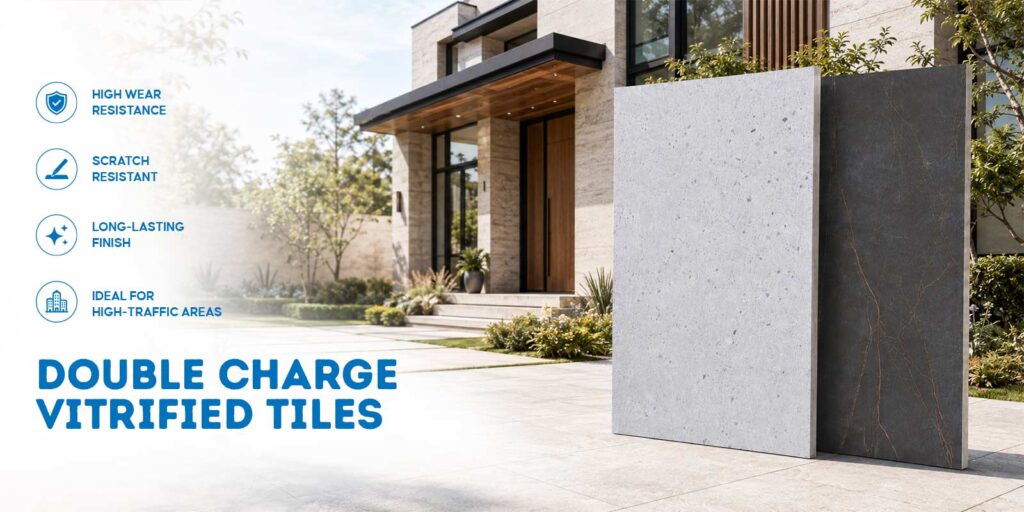
  • DVT (Double Charged Vitrified Tiles): Two layers of pigment fused under high pressure, creating a 3–4 mm deep design layer. More durable than GVT but with limited design range. The most common sizes are 600×600 mm and 800×800 mm.

Recommended Tile Thickness by Application

  • Wall tiles: 6–8 mm
  • Indoor floor tiles: 8–10 mm
  • Heavy-duty / outdoor / parking tiles: 15–20 mm
  • Slabs and feature walls: 12–20 mm

Vitrified vs Ceramic vs Porcelain: Which Type of Tile Is Best?

This is the most common dilemma for tile buyers in India. The short answer: vitrified and porcelain tiles are best for floors and wet areas, while ceramic tiles are best for walls and low-traffic dry zones. Here is a detailed comparison of these three popular types of tiles.

Feature Vitrified Tiles Ceramic Tiles Porcelain Tiles
Water Absorption Below 0.5% 3–7% Below 0.5%
Strength Very High Medium Very High
Outdoor Suitability Some (full body) No Yes
Stain Resistance High Medium Very High
Cost (₹/sq ft) ₹40–₹200 ₹30–₹120 ₹60–₹250
Best For Indoor floors Walls, dry rooms Wet & outdoor
Lifespan 20–25 years 10–15 years 25+ years

Verdict: For walls or dry bedrooms on a budget, ceramic tiles work well. For most floors in Indian homes, vitrified offers the best balance of cost and durability. For bathrooms, balconies, kitchens, or any wet/outdoor space, porcelain is the safest, longest-lasting choice.

Marble vs Granite vs Vitrified: Which Suits Indian Homes?

Another common question Indian buyers ask is whether to choose marble, granite, or vitrified tiles. Each of these has distinct advantages depending on budget, aesthetic, and intended use.

Feature Marble Granite Vitrified
Appearance Veined, luxurious Speckled, uniform Customizable
Durability Medium (scratches) Very High Very High
Maintenance High (sealing) Low Very Low
Heat Resistance High Very High High
Cost (₹/sq ft) ₹150–₹800+ ₹100–₹400 ₹40–₹200
Best For Living rooms, foyers Kitchens, staircases All-purpose

Verdict: Marble suits luxury aesthetics but needs regular upkeep. Granite is ideal for high-use surfaces. Vitrified offers the most flexibility and value for the average Indian home, with marble-look and granite-look options now widely available at a fraction of the cost.

Matte vs Glossy Tiles: Which Finish Should You Choose?

Feature Matte Tiles Glossy Tiles
Appearance Subtle, modern Bright, reflective
Slip Resistance High Low (slippery when wet)
Maintenance Hides stains and scratches Shows watermarks and smudges
Light Reflection Low High (makes rooms feel larger)
Best For Bathroom floors, bedrooms, outdoor Walls, kitchens, small rooms
Cost Similar to glossy Similar to matte

Verdict: Use matte for floors in wet or high-traffic areas. Use glossy for walls, small rooms, and spaces where you want to amplify natural light. Many Indian homeowners combine both — matte on the floor, glossy on the walls — for the best of both finishes.

How to Choose the Right Tile for Indian Homes?

Choosing the right type of tile in India comes down to five key factors: the room and its usage, foot traffic, climate and moisture conditions, style preferences, and budget.

Match the Tile to the Room and Usage

The room’s function should dictate the tile choice. Bathrooms need anti-skid matte finishes. Indian kitchens need stain-resistant and grease-resistant surfaces. Living rooms allow more aesthetic freedom. Outdoor spaces in India need weather-resistant, full-body tiles to handle monsoon and summer extremes.

Check the PEI Rating for Foot Traffic

The PEI (Porcelain Enamel Institute) rating measures a tile’s resistance to surface abrasion on a scale of 1 to 5:

  • PEI 1: Wall use only
  • PEI 2: Light residential traffic (bedrooms, bathrooms)
  • PEI 3: Moderate traffic (most residential rooms)
  • PEI 4: Heavy residential / light commercial (kitchens, entryways)
  • PEI 5: Heavy commercial (malls, airports, offices)

Factor in Indian Climate and Moisture

Climate matters significantly in tile selection in India. In humid coastal areas like Mumbai, Chennai, Goa, and Kochi, prioritize low water-absorption porcelain or vitrified tiles to prevent mold and warping. In dry climates of Rajasthan or interior North India, ceramic and natural stone work well indoors. For outdoor areas exposed to monsoon rains across India, use only tiles with water absorption below 0.5%.

Align with Your Style and Aesthetic

  • Modern minimalist: Large-format matte or polished vitrified tiles in neutral tones
  • Luxury Indian interiors: Marble, bookmatch slabs, or polished natural stone
  • Traditional Indian / rustic: Terracotta, cement tiles, rustic finishes
  • Industrial: Concrete-look tiles, metallic accents
  • Scandinavian / contemporary: Wood-look porcelain, light matte finishes

Plan Your Budget Realistically

  • Budget (₹30–₹80/sq ft): Ceramic tiles, basic vitrified tiles
  • Mid-range (₹80–₹200/sq ft): GVT, double-charged vitrified, standard porcelain
  • Premium (₹200–₹500/sq ft): Large-format porcelain, marble-look slabs, engineered quartz
  • Luxury (₹500+/sq ft): Natural marble, bookmatch slabs, imported porcelain

Always factor in installation costs in India (₹40–₹80 per sq ft) and additional costs for grout, adhesive, and skirting tiles separately when budgeting.

Common Mistakes to Avoid When Choosing Tiles

Many Indian homeowners regret their tile choices within a few years. The most common mistakes include:

  1. Choosing glossy tiles for wet floors. Causes slips and accidents in bathrooms and balconies — a serious concern in Indian homes with elderly family members.
  2. Ignoring PEI ratings. Using low-PEI tiles in high-traffic areas leads to premature wear within a few years.
  3. Buying without checking water absorption. High-absorption tiles fail rapidly in Indian wet zones and monsoon conditions.
  4. Underestimating tile quantity. Always buy 10% extra for cuts, breakage, and future repairs.
  5. Picking tiles from small samples only. Always view full-size displays; patterns and tones look very different at scale.
  6. Mismatching tile size to room size. Large tiles in small Indian apartment rooms look cramped; tiny tiles in large rooms look busy.
  7. Forgetting grout colour. Grout dramatically changes the final look; choose colour deliberately.
  8. Skipping skirting or transition tiles. Leaves unfinished-looking edges in Indian homes.
  9. Choosing trendy over timeless. Floor tiles last 20+ years; avoid hyper-trendy patterns that may date quickly.
  10. Not verifying batch numbers. Tiles from different production batches can have slight colour variations, especially in Indian-manufactured tiles.

Why Tile Quality Matters?

  1. Durability and Longevity

Premium tiles last 20–25 years or more without replacement. Low-quality tiles crack, chip, or fade within 5–8 years, costing more in repairs and replacements in the long run.

  1. Safety: Slip Resistance and Load Bearing

Quality tiles meet anti-skid ratings (R9 to R13) and load-bearing standards (above 35 N/mm² for floors). Poor-quality tiles can crack under heavy furniture or cause slips — both common issues in Indian homes.

  1. Ease of Maintenance and Cleaning

Premium vitrified and porcelain tiles have non-porous surfaces that resist stains, mold, and bacteria — important in India’s humid climate. Low-grade tiles absorb spills, develop discoloration, and harbour germs.

  1. Long-Term Cost Savings

A higher upfront investment in quality tiles eliminates years of repair, replacement, and refinishing expenses. Quality tiles also help maintain home resale value in the Indian real estate market.

How to Maintain and Care for Tiles?

Daily care:

  • Sweep or vacuum to remove grit that can scratch tile surfaces.
  • Mop with a damp cloth using a pH-neutral cleaner.

Weekly care:

  • Clean grout lines with a soft brush and mild detergent.
  • Wipe down wall tiles in bathrooms and kitchens to prevent build-up.

Tile-specific care tips:

  • Vitrified / porcelain tiles: Avoid acidic cleaners; standard floor cleaner is sufficient.
  • Marble / natural stone: Use pH-neutral cleaners only; reseal every 1–2 years to protect against staining.
  • Terracotta / cement tiles: Apply sealant annually to prevent staining in Indian humidity.
  • Glass / mosaic tiles: Use glass cleaner; avoid abrasive scrubbers.

Stain removal tips:

  • Oil and turmeric stains: Baking soda paste, leave 10 minutes, then rinse — works well on common Indian kitchen stains.
  • Hard water stains: White vinegar diluted 1:1 with water; never use on natural stone.
  • Grout discolouration: Hydrogen peroxide and baking soda paste.

Premium Tile Solutions from Aparna Enterprises

When sourcing the right type of tile for your project, the manufacturer and supplier matter as much as the tile category. Aparna Enterprises is one of India’s leading building materials companies, offering a comprehensive range of premium tiles for residential, commercial, and architectural projects across the country.

The Aparna Enterprises tile portfolio is built around the needs of Indian homes and businesses — covering every major category discussed in this guide:

  • Wide material range: Vitrified tiles, GVT, DVT, full-body porcelain, large-format slabs, and designer collections
  • Comprehensive size offering: From 300×300 mm bathroom tiles to 1200×1800 mm large-format living room tiles
  • Multiple finishes: Glossy, matte, polished, lappato, sugar, carving, bookmatch, rustic, and metallic
  • Application coverage: Floor tiles, wall tiles, outdoor tiles, parking tiles, commercial-grade tiles, and designer collections
  • Quality assurance: Low water absorption, high PEI ratings, anti-skid certifications, and consistent batch quality

Whether you’re a homeowner renovating a single bathroom, an architect specifying tiles for a project, or a builder sourcing tiles for an entire development, Aparna Enterprises offers the right type of tile for every application. Contact us today to explore tile designs that perfectly complement your space, style, and project requirements.

Takeaway

Choosing the right type of tile for your Indian home comes down to matching the tile’s properties — material, finish, size, and rating — to the specific demands of each room. For most Indian homes, vitrified or porcelain tiles offer the best combination of durability, design variety, and value. Use matte or anti-skid finishes for floors and wet areas, glossy for walls and bright spaces, and large-format tiles for a seamless, premium look. Always check water absorption, PEI rating, anti-skid rating, and batch consistency before buying.

Whether you’re selecting bathroom tiles, kitchen tiles, living room tiles, or outdoor tiles, the right type of tile will look beautiful and perform reliably for decades. Take time to compare types of tiles and their uses, sizes, and finishes — and partner with a trusted Indian tile brand like Aparna Enterprises to ensure quality, consistency, and the right design for your space.

The boom in India’s real estate market has made vitrified tiles a preferred option in modern design. Homeowners and architects prefer them because of their low porosity and durability. So, only the tile does not decide the success of a project; the reputation of the tile manufacturers is critical, which is often overlooked.

Choosing a good vitrified tile manufacturer in India is critical to ensure great quality, technology, and design to match the interiors for modern spaces.

This guide will give you an idea of what to consider while selecting the best vitrified tiles manufacturer in India and why Aparna Enterprises is one of the leading companies in the industry.

Important Factors to Consider When Selecting the Right Manufacturer

  • Quality Standards and Certifications

Checking for ISO (International Organisation for Standardisation) or BIS (Bureau of Indian Standards) certification validates that the manufacturer is following high-quality standards in the production process.

  • Manufacturing Infrastructure and Technology

A trusted tile manufacturer must own advanced manufacturing technology – automated kilns, digital printers, and polishing equipment. Similarly, the company must have an in-house R&D team to create the latest and highest-quality tiles.

  • Quality Control and Testing Protocols

Assess the manufacturer’s Quality Control (QC) infrastructure and testing protocols. They must have technical infrastructure, conduct proper testing, and integrate digital systems.

  • Product Range

Go with a manufacturer who offers a wide range of tiles, including double charge, full body, and glazed vitrified tiles. The tile makers must also produce large-format tiles, if needed.

  • Customization

Consider a manufacturer offering customisation in finishes and materials to get tailored solutions for your needs. Also, digital print technology is a non-negotiable standard for any manufacturer.

  • Industry Experience

Find a manufacturer with extensive experience in producing high-quality tiles. Also, check their past track record, reviews, and reputation.

  • Logistics

Selecting the right manufacturers goes beyond price, particularly in large-scale projects. Evaluate their production and logistics capacity to check if they can meet the promised deadlines.

  • After-Sales Service

Make sure the tile manufacturer provides good after-sales service. They must be able to provide installation guidance and address issues associated with effects and replacement

  • Price and Value

Think about long-term value and maintenance than just considering the price factor. A few companies may offer tiles at low cost, but they incur ownership costs because of early maintenance and replacement.

Selecting the right manufacturer includes several factors, as listed above. Aparna Enterprises Limited lines up with these factors for a high-quality purchase. The section below underscores a few points on why you need to place confidence in Aparna.

Why Trust Aparna Enterprises for High-Quality Vitrified Tiles?

Aprana Enterprises Limited has established itself as one of the leaders in manufacturing high-quality vitrified tiles. Here’s how AEL ensures excellence:

  • Total Quality Control:  Aparna sources the majority of raw materials from its own mines to ensure every tile is of high standard and defect-free.
  • Global Tech Standards: AEL uses advanced Italian machinery to produce tiles with low water absorption (0.5%) for maximum strength.
  • Long-Lasting Shine: The use of nano-polishing technology seals the surface to create a high-gloss finish and resist stains and heavy wear.
  • Eco-Friendly Reliability: Aparna Enterprises is a GreenPro-certified brand, so it follows a green production process to bring down carbon emissions.
  • True-to-Life Design: By using advanced digital printing technology, Aparna manufactures tiles that can mimic wood or stone.
  • Expansive Reach: Robust dealership network and showrooms make Aparna tiles accessible in many cities across India.

Types of Vitrified Tiles Available At Aparna Enterprises

Aparna Enterprises offers a wide array of premium vitrified tiles. It offers these types:

  • Double Charge Vitrified Tiles
  • Glazed Vitrified Tiles (GVT)
  • Polished Glazed Vitrified Tiles (PGVT)
  • Digital Glazed Vitrified Tiles (DGVT)
  • Full Body Vitrified Tiles
  • Digital Wall Tiles

Vitrified Tiles Finishes Available At Aparna Enterprises

Aparna offers vitrified tiles in various finishes. Let’s check some of the popular finish options to choose from:

  • Baby Satin
  • Carving
  • Carving Matt
  • Crystal Matt
  • Dark High Gloss
  • Digi Matt
  • Fossil 3D Matt
  • Fossil Matt
  • Frost
  • Glossy
  • High Glossy
  • Matt
  • Matt Luster
  • Polished
  • Punch Matt
  • R10 Matt
  • Rustic
  • Satin Matt
  • Sugar
  • Wood – Punch Matt

Manufacturing Process of Vitrified Tiles

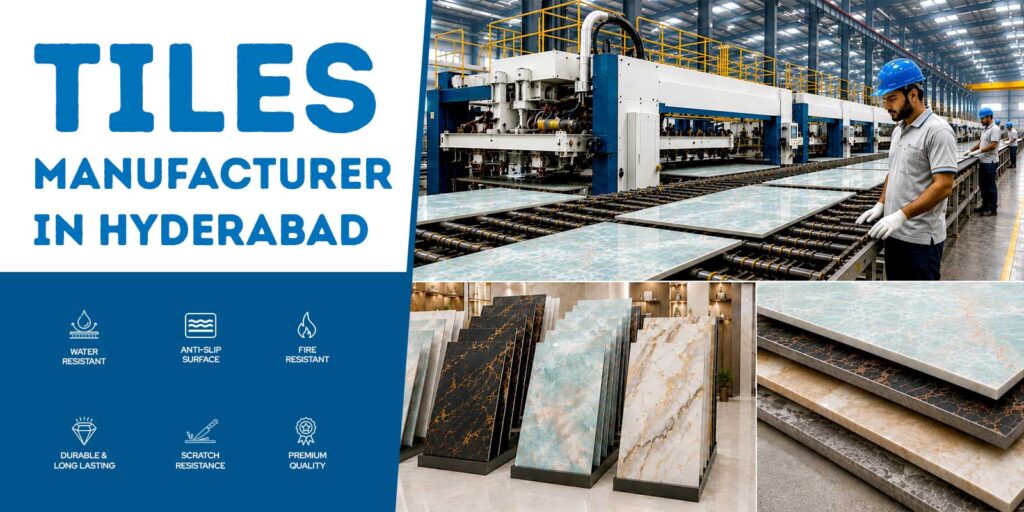
The manufacturing process of vitrified tiles is highly automated, and it involves these stages:

  1. Preparation of Raw Materials: This is the first step in the manufacturing process, which includes mixing of raw materials – clay, silica, and feldspar – with water to form a slurry.  This is then moved into a hot air chamber (spray dryer) to remove moisture and convert it into a dry powder.
  2. Pressing & Shaping: The dry powder is pushed into massive hydraulic presses to compact the tile into its shape. The pressed tile thus formed is called a green tile.
  3. Drying: The green tiles are passed through automated drying chambers. In these chambers, warm air keeps circulating to bring down the moisture content to below 1%. This step offers structural strength to the tile and prevents it from cracking.
  4. Firing (Vitrification): In this step, tiles are passed into kilns, where the temperature usually exists around 1200°C and 1250°C. This high temperature melts the minerals partially to fuse, resulting in a mass and non-porous substance.
  5. Glazing & Digital Printing: Glazing and digital printing are optional, as this process is required only for GVT. Here, the tile surfaces are coated with protective, decorative glazes, followed by digital printing for patterns and designs.
  6. Polishing & Finishing: The tiles’ surfaces are polished to give a mirror-like finish. Also, a specialised nano-coating is applied to the surfaces to fill microscopic pores. Later on, tiles are cut as per the required sizes.

Locations We Serve Across India

Aparna Enterprises Limited (AEL) serves all the major Indian cities, including Hyderabad, Chennai, and Bengaluru.

Aparna maintains an uninterrupted supply chain with a vast network of distribution to ensure even smaller cities get premium materials quickly.

To see if Aparna serves your area, get in touch with us today for location-specific service.

Takeaway

Choosing the right vitrified tiles manufacturer in India is important to guarantee durability, design, and long-term value. You need a partner that combines cutting-edge production and understands the latest trends.

Aparna Enterprises delivers on this promise by focusing on standards and excellence to ensure your floors and walls last longer and are resilient. Connect with Aparna Enterprises to browse the wide range of collections today.

Vitrified tiles have become a preferred flooring choice for Indian homes because they balance durability, design, and long term value. With new manufacturing technologies and a growing variety of finishes, homeowners now have options that suit every budget. Understanding current price trends helps in making smarter buying decisions, especially when planning large renovations or new construction projects.

What Drives the Pricing of Vitrified Tiles in India

The price of vitrified tiles depends on several core factors including the raw materials used, the level of digital printing detail, and the type of finish applied. Polished, glazed, and double charged tiles each require different production processes that influence cost. Tile thickness, surface strength, and slip resistance ratings also affect pricing, as premium features generally come at a higher rate. These elements together shape what homeowners pay in today’s market.

Different Types of Vitrified Tiles and Their Price Ranges

India offers multiple categories of vitrified tiles, each with its own price bracket. Standard vitrified tiles usually sit at the lower end because they use simple patterns and basic finishes. Double charged tiles fall in the mid range due to their thicker top layer and stronger durability. Premium options like glazed vitrified tiles feature high resolution designs and advanced textures, placing them at the higher band. These variations give homeowners the freedom to choose based on style, performance, and budget preferences.

How Technology Is Shaping Price Trends in 2026

Advancements in manufacturing have shifted price patterns across the industry. Modern digital printing allows brands to create realistic marble, stone, and wood textures at competitive rates. Automated polishing and uniform baking methods have improved tile consistency, reducing waste and lowering costs over time. As factories adopt new machinery, the overall market sees better quality tiles entering affordable price segments, widening the options for buyers.

Regional Price Differences Across India

Tile prices vary across Indian cities due to logistics, brand presence, and demand patterns. Metro locations often have a wider range of high end options, while tier 2 and tier 3 markets tend to see more mid range and economical varieties. Transportation costs also contribute to regional differences, as tiles are heavy materials and shipping rates influence the final retail price. Understanding these variations helps homeowners plan purchases and compare offers across suppliers.

Brand Reputation and Its Impact on Pricing

Established tile brands typically charge a premium because they offer stronger warranties, better quality checks, and more consistent finishes. Local manufacturers may offer lower rates but often vary in colour accuracy, density, and long term performance. While premium brands come with a higher price tag, they reduce the risk of breakage, colour fading, and uneven installation. Weighing these trade offs is important before deciding which tiles to bring home.

Installation Costs and Hidden Expenses to Keep in Mind

Tile pricing goes beyond just buying the tiles. Homeowners also factor in installation charges, which include labour, adhesives, spacers, and finishing materials. Skilled labour may cost more but ensures proper alignment and fewer post installation issues. Additional expenses like surface preparation, skirting, and cutting waste can influence the total project cost. Planning for these helps avoid budget surprises during renovation.

How to Choose the Right Tiles Within Budget

A clear understanding of prices helps homeowners shortlist tiles based on room usage and expected foot traffic. High traffic areas like living rooms and kitchens benefit from double charged tiles due to their strength, while bedrooms can use more affordable matte or glossy options. Checking tile absorption rates, slip resistance, and surface durability ensures the chosen tiles match long term expectations. Comparing brands, visiting showrooms, and reviewing samples also supports informed decision making.

Why Vitrified Tiles Remain a Cost Effective Choice in India

Even with rising construction costs, vitrified tiles deliver strong value because they require minimal maintenance and last for years. Their resistance to stains, scratches, and moisture reduces the need for frequent repairs or replacements. With continuous innovation in vitrified tiles design and competitive pricing, full body vitrified tiles from aparnaenterprisesltd offer an ideal balance of affordability, durability, and performance for modern Indian homes.

In the world of modern flooring, vitrified tiles have become one of the most trusted choices for Indian homes and commercial spaces. Known for their durability, sleek appearance, and wide design options, vitrified tiles flooring offers a perfect blend of functionality and style. From marble-look to wood-finish surfaces, there is a vitrified tiles design for every space. Buyers today also compare vitrified tiles price per square feet across brands and look for reliable tiles manufacturers in Hyderabad who can provide quality at the right rate.

What Makes Vitrified Tiles Unique?

Vitrified tiles flooring is crafted by combining silica, clay, and quartz under extreme heat, which makes the tiles hard, glossy, and non-porous. This process ensures the tiles are resistant to stains, water absorption, and wear-and-tear.

Advantages of vitrified floor tiles:

  • Very low porosity and high water resistance
  • Scratch-resistant, making them ideal for high-traffic areas
  • Available in multiple finishes like glossy, matte, and textured
  • Long life span with minimal maintenance

These qualities make vitrified tiles a reliable alternative to natural stone or traditional ceramic flooring.

Popular Vitrified Tiles Designs

The demand for vitrified tiles design has grown due to advanced digital printing and glazing technologies. Homeowners, architects, and interior designers now have countless design choices:

  • Marble Finish Tiles – Luxury appeal at a fraction of marble’s cost
  • Wooden Finish Tiles – Warm look of wood with durability of vitrified tiles
  • Stone Textures – Great for outdoors, gardens, or rustic interiors
  • Glossy Finish – Creates a bright, spacious feel in modern living rooms
  • Matte & Anti-Slip – Perfect for bathrooms, balconies, and kitchens

Types of Vitrified Tiles

Full Body Vitrified Tiles

  • Uniform color and pattern through the entire thickness
  • Ideal for malls, airports, and outdoor areas with heavy traffic
  • Stay unaffected even if chipped or scratched

Double Charge Vitrified Tiles

  • Dual pigment layer pressed on the tile surface
  • Known for durability but limited in design variety

Glazed Vitrified Tiles (GVT)

  • Decorative layer with high-quality digital prints
  • Available in marble, wood, and abstract finishes

Polished Vitrified Tiles (PVT)

  • High-gloss polish for a premium look
  • Best suited for luxury spaces, showrooms, and living rooms

Types of Vitrified Tiles in India

The vitrified tiles quality depends on the brand, design, and finish

Type of Vitrified Tiles Suitable For Type of Vitrified Tiles
Full Body Vitrified Tiles Outdoor & heavy traffic areas Full Body Vitrified Tiles
Double Charge Tiles Homes, offices Double Charge Tiles
Glazed Vitrified Tiles (GVT) Designer interiors Glazed Vitrified Tiles (GVT)
Polished Vitrified Tiles Luxury homes Polished Vitrified Tiles
Digital / Printed Tiles Bedrooms, living spaces Digital / Printed Tiles

Hidden Costs to Factor: Tile adhesive, labor charges, and grouting. These often increase the overall vitrified tiles rate compared to the base price

Vitrified Tiles Flooring vs Other Materials

Feature Vitrified Tiles Ceramic Tiles Marble/Granite Wooden Flooring
Durability Very High Moderate High Moderate
Water Resistance Excellent Average Requires sealing Poor
Maintenance Low Medium High Medium
Design Variety Extensive Limited Limited Moderate
Feature Vitrified Tiles Ceramic Tiles Marble/Granite Wooden Flooring


Tiles Manufacturers in Hyderabad

Hyderabad is a strong hub for building materials, with several trusted tiles manufacturers supplying across India. Among them, Aparna Enterprises Limited stands out for its premium vitrified tiles flooring solutions. The brand is known for durable finishes, modern designs, and a wide portfolio catering to both residential and commercial projects.

With advanced manufacturing facilities and strict quality standards, Aparna Enterprises Limited has become one of the most reliable choices for homeowners, architects, and builders in Hyderabad seeking long-lasting and stylish tile options

Tiles are an important part of modern buildings because they protect surfaces from damage and add to the overall design and appearance.

When people choose tiles, there is always confusion about which type to choose: ceramic or vitrified? Though they both fulfil a functional purpose, they differ in strength, water resistance, and appearance.

This guide explains both tile types, differences, advantages, and how to choose the right one.

What Are Vitrified Tiles?

Vitrified tiles are a type of durable, low-porosity tile produced by hydraulic pressing a mixture of clay, silica, quartz, and feldspar, resulting in a glass-like substance. It is then passed into a kiln and fired at a temperature of 1200°C to 1300°C. This extreme heat melts minerals and fuses them with the clay, resulting in a vitreous structure.

What Are Ceramic Tiles?

Ceramic tiles are a type of tile manufactured through a process called sintering, in which clay, sand, and water are mixed to form a powder. It is then pressed into moulds and fired at temperatures of 900°C and 1100°C in a kiln to achieve a hard, porous body.

The heat causes particles to bond only at a molecular level (sintering) without completely melting, which leaves small air pockets and makes the tile porous.

How To Identify Ceramic And Vitrified Tiles?

One can identify the major difference between ceramic and vitrified tiles based on these characteristics:

  • Water Absorption: Vitrified tiles absorb very little water (less than 0.5%), while ceramic tiles soak up moisture easily because of to their high porosity.
  • Back Colour: Vitrified tiles have a white or light grey backing, while ceramic tiles have a red-brown or terracotta-coloured underside.
  • Density & Weight: Vitrified tiles are thicker and heavier, while ceramic tiles are lighter and thinner.

What Is The Difference Between Ceramic And Vitrified Tiles?

There are a few major differences between the two types of tile. The table below will give you an in-depth understanding:

Feature

  Ceramic Tiles

  Vitrified Tiles

Material Composition Natural earthen clay, sand, and water 60% silica and 40% clay (mixed with quartz & feldspar)
Manufacturing Process Shaped and fired at in a kiln at low temperatures Fired at very high temperatures (minerals fuse into a glass-like structure)
Water Absorption High (3% – 7%) Very low (less than 0.5%)
Strength & Durability Moderately strong; prone to chipping & cracking Extremely strong, durable & resists heavy foot traffic
Scratch Resistance Can scratch over time on floors Superior resistance to scratches
Stain  Resistance Low resistance and can stain easily High resistance
Surface Finish Natural, earthy, or glazed Smooth, glossy, or matte
Porosity High Low
Maintenance High upkeep Minimal upkeep
Area of Use Walls, backsplashes, and low-traffic areas Kitchens, bathrooms, and high traffic areas
Installation Easy and DIY Required skilled labour

What Are The Advantages Of Vitrified Tiles?

  • Vitrified tiles are highly resistant to cracks, scratches, stains, and fading.
  • They are nearly waterproof (less than 0.5% absorption) and prevent the
  •  growth of moulds.
  • They are available in various finishes that mimic marble, stone and wood.
  • These tiles do not fade because they are resistant to frost and UV rays.
  • The non-porous surface doesn’t trap allergens or pollen.
  • Vitrified tiles can withstand harsh cleaners, acids, and alkalis.

Ceramic Tiles Vs Vitrified Tiles: Which One Should You Choose?

Selecting the right tile depends on your needs and application. If you are working with a tight budget and focusing on wall installations, ceramic tiles are an ideal choice because of their cost-effectiveness. However, for high-traffic areas, vitrified tiles are best. They are also more reliable and a premium investment option.

In modern homes, offices, and commercial settings, vitrified tiles offer superior long-term performance and value.

Also, if you are planning to build your dream home, and have enough budget, go with vitrified tiles to combine the aesthetics and functional strength.

Why Aparna Enterprises is the Best Choice for Vitrified Tiles?

Aparna Enterprises Limited differentiates itself from the rest by its combination of different technical specifications. Have a look at those specifications here:

  • Italian Technology: Aparna used advanced equipment imported from Italy, including high-tonnage presses and a high gas-fired kiln, to ensure uniform density and consistent quality.
  • Nano-Polished Surface: AEL uses advanced Nano Polishing Technology to offer excellent sheen and make tiles resistant to damage.
  • Eco-Friendly (GreenPro): Aparna Enterprises’ tiles are environmentally friendly beacuse of implementation of green measures to reduce carbon emissions. Aparna is also certified by the CII as GreenPro.
  • Uniformity: To ensure steady thickness and exact dimensions, Aparna follows Statistical Process Control (SPC). This accuracy also helps in the easy installation of tiles.

Takeaway

Vitrified tiles offer durability, resistance against scratches, and low porosity, making them ideal for high-traffic, heavy-duty applications like kitchen and bathroom floors. While ceramic tiles are more porous and fragile, they serve as a cost-effective choice for walls and low-traffic areas. So, the major difference between them is the porosity.

Need detailed tile specifications for your project? Contact Aparna Enterprises Limited for specialised product lines for different architectural needs.

In 2025, vitrified tiles design is evolving fast, blending innovation with timeless aesthetics. Whether you’re building a dream home or redesigning commercial spaces, these modern tile styles help create bold, clean, and functional surfaces.

Explore the top vitrified tile design ideas that are setting the tone for interiors this year.

1. Large-Format Vitrified Tiles

With fewer grout lines, large-format vitrified tiles deliver a seamless, spacious effect. They enhance the sense of scale in any room and reduce visual clutter.
Common spaces: Living rooms, hotel lobbies, commercial floors.

2. Marble-Look Vitrified Tiles

Vitrified tiles designed to resemble natural marble offer a luxurious finish with easier maintenance. Their veining patterns and polished look make them a favourite for premium interiors.
Used in: Bathrooms, dining areas, corridors.

3. Wood-Finish Vitrified Tiles

These tiles offer the warmth and texture of wood but outperform timber in terms of moisture resistance and durability.
Popular applications: Bedrooms, lounges, outdoor sit-outs.

4. Textured Surface Vitrified Tiles

Textured vitrified tiles bring dimension and depth to plain walls and floors. Stone textures, geometric patterns, and matte finishes create a designer appeal.
Best for: Feature walls, reception areas, staircases.

5. Glossy Polished Vitrified Tiles

High-gloss vitrified surfaces reflect light beautifully and make rooms feel bright and open. Available in neutral and rich tones, they are often used for a luxurious finish.
Common areas: Drawing rooms, offices, showrooms.

6. Matte-Finish Vitrified Tiles

Sleek and modern, matte vitrified tiles are trending due to their subtle elegance and slip-resistant surface.
Ideal for: Bathrooms, kitchens, entryways.

7. Digital Printed Vitrified Tiles

Modern printing techniques now bring unique designs to vitrified tiles. From artistic florals to stone-like textures, these offer creative freedom.
Great for: Wall panels, hotel rooms, boutique stores.

8. Stone-Effect Vitrified Tiles

Inspired by granite, slate, or limestone, stone-look vitrified tiles replicate natural ruggedness while maintaining uniform quality and strength.
Often used in: Terrace areas, outdoor patios, rustic kitchens.

9. Monochrome Vitrified Tiles

Black, white, and grey tiles are being used in bold layouts—checkerboard, diagonal stripes, or herringbone—for clean and modern aesthetics.
Best for: Hallways, kitchens, cafés.

10. Eco-Friendly Vitrified Tiles

New vitrified tiles are being made using recycled content and sustainable manufacturing processes, helping reduce carbon footprints while offering modern appeal.
Usage: Residential buildings, public institutions, sustainable homes.

There are a variety of tile options and finding the right ones for your building can be a daunting experience. The tiles that you choose will either break or make your home and so, you must explore different options before you conclude. 

At Aparna Enterprises Limited under our signature brand, Vitero, we help simplify your tile search for your home and commercial space. We are a leading tile manufacturers in India and are known for delivering high-quality vitrified tiles. If you are exploring reliable floor tile manufacturers in India, then Vitero is your go-to. 

With 30 years of experience in the field, Vitero uses cutting-edge Italian technology to manufacture and deliver a wide range of designs in vitrified tiles. The advanced printing technology can create exquisite tile patterns including digital wall tiles, glazed vitrified tiles, and polished glazed vitrified tiles. 

Read the blog to learn about other benefits of choosing vitrified tiles. 

Top 10 Benefits of Vitrified Tiles

Vitrified tiles have unique aspects in terms of composition, strength, and quality that differentiate them from the other tile types. These features make vitrified floor tiles, a perfect choice for your buildings. 

1. High strength

During vitrification, the mixture containing silica, clay, and feldspar is heated to very high temperatures around 1200-1300°C. This makes the materials melt down and form a glossy, non-porous layer on the tile surface.  So, vitrified tiles have a greater inherent strength when compared to granites and marbles. 

2. Thickness

Vitrified tiles have a thickness of 10 to 12 mm which is in par or greater than other flooring options. So, if you are exploring tiles for a space with high footfall, or wear and tear, then vitrified floor tiles are the perfect choice. 

With greater thickness and higher compressive strength, they are appropriate for outdoor areas like parking and indoor spaces like bathroom floor tiles and kitchen tiles

3. Low water absorption

The process of vitrification creates a dense surface that imparts non-porosity and greater water resistance to the vitrified tiles. The glossy surface prevents water from settling and penetrating into the tile. This makes vitrified tiles, the most appropriate one for bathroom wall and floor tiles, and kitchen tiles that are prone to high moisture and humidity. 

4. Easy maintenance

Our tiles have stain and water resistance. As a result, they do not suffer from mould and mildew growth. They do not decolor or fade away, and stay fresh for a long time. Given their inherent strength, they do not chip or crack quickly. All these minimise the maintenance requirements for vitrified tiles. They can be easily cleaned with simple cleaning agents and water. 

5. Quick installation

Tiles from Vitero are made with precision and have uniform size and consistent thickness. This is unlike granite and marble, which may require cutting and levelling at the construction site. 

As these tiles have a glossy, smooth surface, they do not require additional polishing or sealing.  Overall, they are less demanding than other tiling options in the market. 

6. Durable and long-lasting

By their very nature, vitrified floor tiles are resistant to scratches and stains due to greater inherent strength and higher colour persistence. They are tough and durable, and so are appropriate for kitchen top-end use. Their strength and durability also make vitrified tiles, an ideal choice for parking lots. 

7.  Cost-effective

Vitrified tiles are incredibly affordable as they cost less than other flooring options while offering a premium look. As they are resistant to stains and stress, they last longer and do not require complex, frequent maintenance. This enhances the cost-effectiveness of vitrified tiles. 

8. Hygienic and hypoallergenic

Vitero’s premium vitrified floor tiles are resistant to dust, bacteria, and other microbes. This makes them an appropriate choice for buildings and homes with children or people with allergies. 

9. Superior aesthetics 

With a broad range of colours, patterns, and finishes , our vitrified floor tiles can cater to different aesthetic preferences and needs of different buildings. Our Glazed Vitrified Tiles  have the ability to mimic natural stones, granites, or marbles. Our polished glazed vitrified tiles also come in gloss and matte finishes to meet customisation requirements and different design needs. 

10. Apt for indoor and outdoor applications

Vitrified tiles can be used for versatile applications be it interior or exterior including kitchens, bathrooms, living spaces, parking lots, outdoor patios, etc. As they are resistant to moisture and dust and have high durability, they are appropriate for outdoor areas.  

Due to the greater strength, they are suitable for indoor areas with greater wear and tear like the kitchens and bathrooms. 

Looking for High-quality Vitrified Tiles?

Vitrified floor tiles are highly functional, cost-effective, and durable with greater versatility. They serve the functional and aesthetic needs of outdoor and indoor spaces, remaining the preferred choice for homes and commercial buildings. 

Vitrified tiles have gained prominence as they are durable, easy to maintain, and affordable. They are made from clay, silica, and feldspar through a process called vitrification. This process adds smoothness and a glossy finish to the tile. The vitrification process also imparts low porosity and this boosts their water resistance. 

So, if you are looking for budget-friendly, high-quality tiles for your living or commercial area, vitrified tiles are a must-try. 

FAQs

  1. Which tile is better, ceramic or vitrified?

Vitrified tiles are non-porous when compared to ceramic ones. Also, they have a smooth and glossy appearance, unlike ceramic tiles that have coarse texture. All these make vitrified tiles, the best option for your living space, bathroom floor tiles, or kitchen tiles.

  1. Can vitrified tiles be used outdoors?

Yes, vitrified tiles have greater weather and moisture resistance. Also, they have high inherent strength which makes them apt for use in parking lots and outdoor patios. They can also be used for indoor applications like bathroom wall and floor tiles, and kitchen tiles.

New Delhi:  Tiles are an excellent choice for enhancing the aesthetic appeal and functionality of your home. With a wide variety of styles, colours, and materials available, tiles can transform any room into a stunning space. When it comes to interior design, tiles provide an array of designs, giving you a plethora of options to make any room in your house look beautiful and functional.

The perfect floor tile not only complements the rest of the decor but also brings out the desired atmosphere in each room. From kitchen floors to the bathroom walls, to your favourite living room, the right tile design can give your house that aesthetic boost and even serve you practically.

Trending tile designs for rooms

Kitchen

The kitchen is the busiest and most ‘talkative’ room in the house hence, constant heat, water spillage, and oil stains are part of its working routine. When it comes to kitchen tiles, durability and functionality are two major considerations. Choices including ceramic, glazed vitrified tiles, and porcelain tiles are a great fit as they are extra durable and provide many design and texture options to match your kitchen’s décor. You can also try tiles with accentuated patterns to achieve spaciousness and add visual interest to your kitchen. Moreover, dark-coloured tiles are also an ideal selection as they will cover food stains or dirt marks, and make the kitchen look cleaner and aesthetic.

Bathroom

The bathroom stands as an area with frequent exposure to water and cleaning chemicals. Hence, eye-catching. water-resistant, and anti-slip tiles should be a priority. AV Mallikarjuna, Assistant Vice-President, Sales & Marketing, Aparna Enterprises Ltd shares that, choosing non-slippery tiles is not only a preferred option but a must-have requirement to guarantee safety, especially in areas with more water exposure.

Materials such as porcelain or natural stone can provide both features without compromising on the safety aspect. In addition, you can select matte tiles because they generally offer more traction or grip than glossy tiles, thereby ensuring safer tiles are utilised for bathroom floors, especially in families with children and the elderly.

The textured surface gives the user more grip, which increases the safety level against slips and falls. Moreover, while choosing your bathroom tiles, you can go for anti-skid technology that provides a superior grip and significantly reduces the risk of accidents.

Bedroom

The bedroom is a private area which is meant for your relaxation. While selecting floor tiles for this area, emphasise generating an ambience that calms the energy and relaxes the person. Concerning the tile, you can use high-quality and classy double-charged vitrified tiles manufacturer, vinyl tiles, or stone tiles that are both durable and have a timeless feel.

The perfect design and colours for your bedroom floor induce a calming and cosy feel to it so that you can find peace in your bedroom in the end. Similarly, you can also use area rugs or carpet tiles as accent additions to soften the space and warm the feeling underfoot

Living Room

The living room serves as the family’s dinner table, where guests come to hang out with friends or watch television shows together. For this area, choose the tiles that can stand the crowd and stay attractive at the same time. When it comes to tiles, look for those that are specifically made to handle heavy footfall like porcelain tiles, ceramic tiles, and vitrified tiles.

Neutral colours like grey, cream, or beige are often favoured by designers as they make the interior look more timeless and splendid. Additionally, wood-look tiles have become the cult favourite choice for living room flooring, as they provide the comfort and texture of wood along with the durability of tiles. For a touch of elegance, consider using decorative tiles as a focal point or creating a statement wall with patterned tiles.

Tiles are a versatile and practical choice for enhancing the design of different rooms in your home. Whether you’re renovating your kitchen, doing a bathroom remodelling, or updating your living room or bedroom, there are countless designs and styles that tiles can offer. By carefully considering the specific needs and characteristics of each space, you can create a cohesive and visually appealing interior that reflects your style.

Aparna Enterprises Limited is popular for its home tile designs. Whether it is bathroom wall tiles, kitchen tiles, bedroom wall tiles, living room floor tiles, or outdoor tiles, Aparna Enterprises Limited offers exquisite designs and intricate patterns. The tiles manufactured at Aparna Enterprises Limited are highly durable and add uniqueness to the walls of residential and commercial buildings. 

How does Aparna Enterprises Limited manufacture revolutionary home tile designs?

Under the aegis of  Aparna Enterprises Limited, Vitero Tiles manufacturers tiles in custom designs and high-definition prints using advanced processes. 

Highly durable

Launched in the year 2017, the Vitero brand manufactures premium-grade, double-charged vitrified wall and floor tiles. 

Double-charged vitrified floor tiles have two layers of pigment and are thicker than conventional ones like marble. This enhances their durability and longevity.

They are manufactured using advanced Italian technology to ensure that the tiles withstand dust, stains, and pressure. This makes it appropriate for areas with heavy footfall and exposure. 

Diversified varieties

Vitero manufactures a wide range of tiles including bathroom wall tiles, kitchen tiles, living room wall tiles, bedroom tiles, and commercial wall tiles. 

Following are the different floor tiles manufactured at Vitero- Bathroom floor tiles, kitchen floor tiles, living floor tiles, bedroom floor tiles, commercial floor tiles, and outdoor tiles. Based on the intended purpose, the home tile designs manufactured at Vitero vary in design, texture, finish, etc. Also, they can be customised to meet the requirements of the customer. Vitero also leads in the manufacturing of contemporary tiles including full-body vitrified tiles, glazed vitrified tiles, polished glazed vitrified tiles, double-charged vitrified tiles, etc. 

Highly functional designs

Vitero tiles are customised to meet the functional requirements of the building space. For instance, bathroom wall tiles have high moisture and water-resistant abilities. On the other hand, the bedroom tile designs carry a soothing texture intended to create a stress-free interior. 

With commercial space, the tiles carry a dynamic appeal and are intended to create a vibrant space with amplified ethos.   

Wide-range of finishes

Vitero manufactures home tile designs in a broad range of finishes- glossy, high glossy, matt, sugar, wood, rustic, baby-soft finishes, etc. The bathroom wall tiles are mostly matted to make them non-slippery. Additionally, the baby-soft finish has grown to be a sought-after choice for kids’ rooms, fitness theatres, etc. 

Digital wall tiles

Aparna Enterprises Limited’s Vitero brand also leads the space in the manufacture of digital wall tiles. They are made from natural sand and carry a glaze coating. They are eventually printed using digital technology to create a unique appeal, whether it is living room floor tiles or bedroom wall tiles

Easy maintenance

Vitero tiles are highly sought-after as they are far easier to fix and maintain. As they are non-porous, they are long-standing and resistant to spills and staining. They also prevent the growth of mold and bacteria which in turn simplifies maintenance. They do not require intensive cleaning while helping maintain the shine and luster. 

Wrapping Up

Known for using state-of-the-art technology, Vitero Tiles has evolved to be a leading tiles manufacturers in India. It manufactures tiles with highly functional designs, innovative finishes, and exquisite patterns. As one of the top floor tile manufacturers, Vitero manufactures vitrified floor tiles in a wide range of varieties and eco-friendly manufacturing processes. They are easy to maintain and durable while retaining their shine and luster for a long time.  

FAQs

  1. How do Vitero tiles stand ahead of other floor tile manufacturers?

Vitero Tiles manufacture home tile designs that are unique, eco-friendly, and easy to maintain. They are highly functional and manufactured with customisable properties to meet specific demands. They are thicker than the traditional tiles, last fresh for a long, and have simpler maintenance needs. The company offers tiles in different finishes, textures, and patterns to meet the different needs of a specific building. 

  1. How to choose the right tiles for my building?

To choose the right tiles for the building, you must consider the area’s functionality. Then align it with the tiles’ finish, slip resistance, moisture resistance, durability, etc. to achieve the right home tile designs. 

  1. What are the types of tiles manufactured at Aparna Enterprises Limited?

Following are the types of tiles manufactured at Aparna Enterprises Limited under its brand Vitero. 

1.Full-body vitrified tiles, 

2.Glazed vitrified tiles, 

3.Polished glazed vitrified tiles, 

4.Double-charged vitrified tiles,

5.Digital tiles.