
Tag: home improvement
Why UPVC Windows Are Becoming the Top Choice for Modern Homes in India
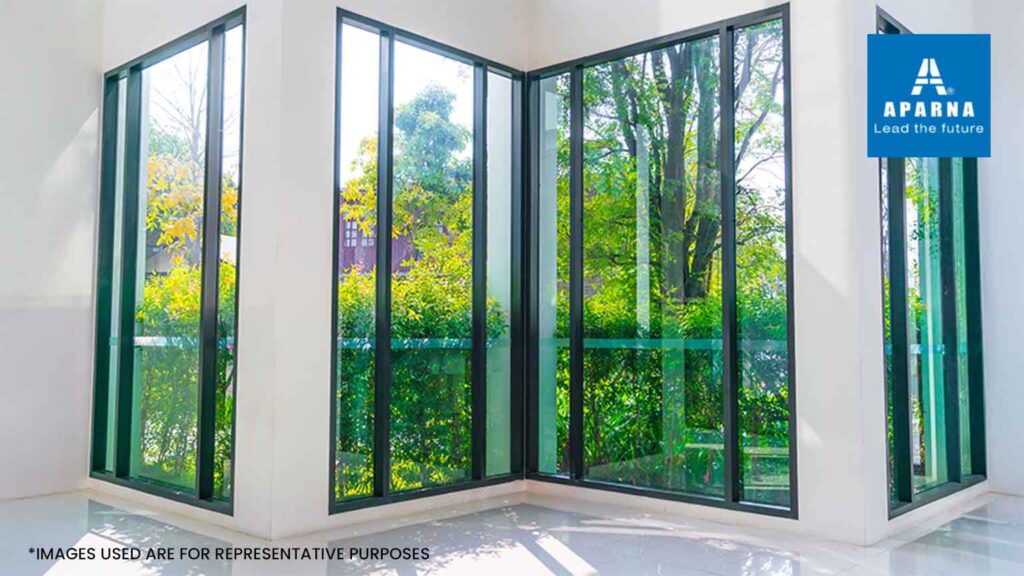
What Makes uPVC Different from Traditional Window Materials
uPVC has reshaped how homeowners think about windows because it brings qualities that older materials struggle to match. Wood demands frequent care due to issues like rotting, warping, pests, and repainting. It is also sensitive to weather, often requiring a regular sealing check. uPVC stays stable in all seasons, resists warping, and maintains its finish for years. Its core structure blocks heat, reduces outside noise, and keeps interiors comfortable without constant upkeep. These advantages make it a strong material for modern construction in fast-changing Indian climates.
Energy Efficiency and Better Temperature Control in Indian Climates
Indian homes face sharp temperature swings across regions, from dry heat in the north to humidity in the south. uPVC windows help maintain indoor comfort through insulated frames and a multi-chamber design that slows heat transfer. This reduces dependence on air conditioning during summers and helps retain warmth during cooler months. The material naturally supports energy-saving habits, making it easier for homeowners to manage rising electricity costs while creating more stable indoor environments.
Sound Insulation for Noise Heavy Urban Areas
Cities across India are now louder than ever due to traffic, construction, and dense neighbourhoods. uPVC windows create a strong barrier that limits how much outdoor sound enters the home. The tight sealing design prevents gaps where noise usually leaks through, and when paired with quality glass, the improvement is instantly noticeable. This allows bedrooms, living rooms, and workspaces to feel calmer, supporting better sleep and more productive routines.
Low Maintenance and Long Term Durability
uPVC stands out because it requires almost no ongoing care while staying strong for years. There is no need for repainting, polishing, or sealing since the surface does not fade or crack easily. The material resists rust, moisture, and daily wear, making it dependable for busy households. This durability helps homeowners avoid frequent repair expenses and keeps windows looking clean with minimal effort.
Weather Resistance Across Hot Summers and Heavy Monsoons
Indian weather patterns are intense, with scorching heat in many states and heavy monsoon spells in others. uPVC handles both extremes effectively due to its stable structure that does not react to moisture or temperature shifts. The frames stay intact during rains and do not swell like wood or corrode like metal. This reliability provides homes with consistent protection during seasonal changes and maintains indoor comfort throughout the year.
Enhanced Safety Features and Stronger Security
uPVC windows offer better security through strong frames and multi-point locking systems that make forced entry more difficult. The material does not bend or loosen easily, which adds stability around the locking areas. When paired with toughened or laminated glass, the overall setup creates a more secure environment for families. This level of protection appeals to modern homeowners who want stronger security without compromising on appearance.
Design Flexibility for Contemporary Home Aesthetics
uPVC offers a wide range of design choices that suit modern Indian homes. The material can be shaped into sliding, casement, tilt and turn, or fixed window styles without losing strength. It also supports multiple colour finishes that blend well with minimalist, luxury, and contemporary interiors. This flexibility allows homeowners to match their windows with architectural themes while still enjoying all the functional advantages of uPVC.
Eco-Friendly and Recyclable Material Benefits
uPVC supports sustainable building practices because it is fully recyclable and designed to last for decades. Its long life reduces the need for frequent manufacturing and disposal, which lowers environmental impact. The energy-saving properties also help reduce the carbon footprint inside homes. These benefits appeal to eco-conscious homeowners who want modern performance without compromising environmental responsibility.
Why Indian Homeowners and Builders Are Choosing uPVC in 2026
uPVC has moved from a niche option to a mainstream choice due to its strong performance in Indian climates. Homeowners value its insulation, noise reduction, and low maintenance qualities, while builders appreciate its durability and ease of installation. The growing focus on energy-efficient housing has pushed uPVC further into the spotlight. These combined advantages explain why new residential projects across cities and towns are increasingly choosing uPVC over older materials.
Key Factors to Consider Before Buying uPVC Windows
When choosing uPVC (unplasticized polyvinyl chloride) windows for a home, it’s important to consider several key factors to ensure you’re getting high-quality, durable, and efficient windows.
Multi-chamber profiles and reinforced frames offer stronger insulation and better stability. It is also helpful to look at brand warranties, installation standards, and locking systems to ensure long-lasting performance. Paying attention to these details helps avoid compromises and ensures the windows deliver their full benefits.
Final Thoughts for Homeowners Upgrading to uPVC Windows
uPVC windows bring together comfort, safety, and modern design in a way that suits today’s Indian homes. Their ability to handle extreme weather, block outside noise, and reduce energy consumption makes them an appealing upgrade for both renovations and new constructions. By choosing high-quality profiles and proper installation, homeowners can enjoy lasting performance with minimal upkeep.
How to Maintain uPVC Windows for Long-Term Performance & Durability
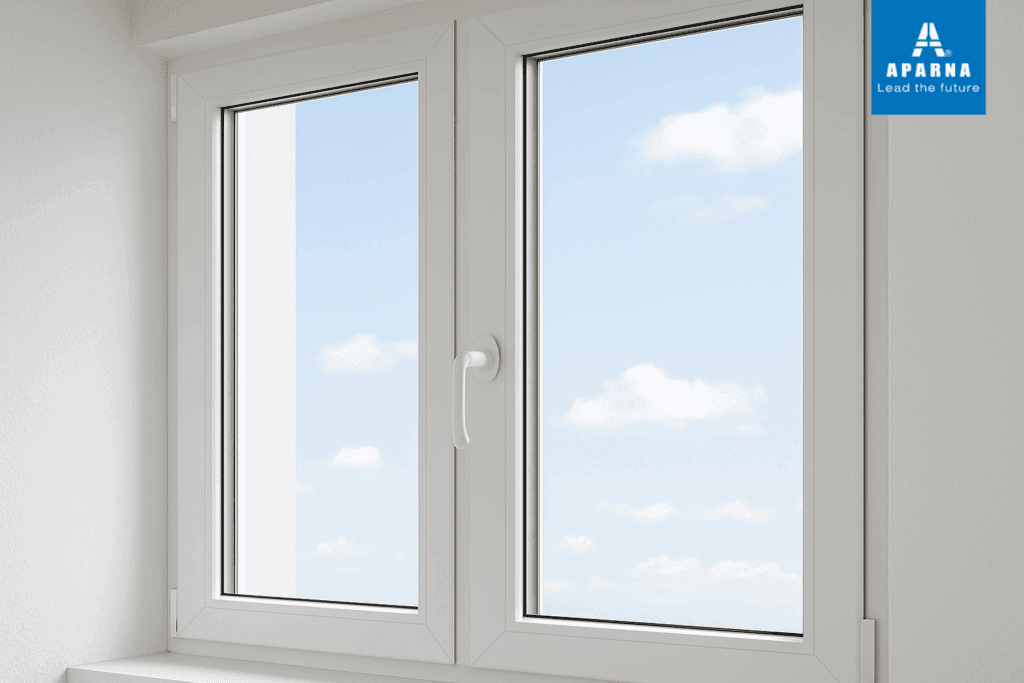
uPVC windows are a popular choice for modern homes and commercial buildings due to their low maintenance, excellent insulation, and weather-resistant properties. But even the best-performing uPVC systems need routine care to function efficiently over the years. A proper maintenance routine helps retain the look, durability, and energy efficiency that make uPVC windows a long-term investment.
1. Regular Cleaning of uPVC Frames
Dust, dirt, and environmental grime can settle on the frame over time, especially in urban or coastal regions. Cleaning the frames not only preserves the appearance but also prevents material degradation.
Use a soft cloth or sponge, warm water, and mild detergent to wipe down the frames. Avoid using abrasive scrubbers, bleach, or acidic cleaners, as these can erode the outer surface. Clean along corners, joints, and tracks to prevent dirt buildup.
2. Keep the Glass Panels Streak-Free
Clean, clear glass improves natural lighting and visibility. Use a solution of water and vinegar or a good-quality glass cleaner to remove smudges, dust, or watermarks. Apply the solution with a microfiber cloth, then wipe dry with a lint-free towel.
Avoid cleaning under direct sunlight as it can cause streaks. Always clean both sides of the window for maximum light transmission.
3. Lubricate Hinges, Locks, and Moving Parts
uPVC windows are designed with precision hardware—multi-point locks, friction hinges, and handles—that require lubrication for smooth operation.
Use silicone-based lubricant or light machine oil twice a year to prevent friction and rust. Apply it to the hinges, locking points, and handles. Do not use heavy greases or sprays like WD-40, which may attract dirt or create a sticky residue. Tighten any loose screws to maintain window alignment.
4. Inspect Seals and Rubber Gaskets
The airtight performance of uPVC windows depends heavily on intact rubber seals. Damaged or dry gaskets can result in air leakage, noise infiltration, and higher energy bills.
Check for shrinkage, cracks, or looseness. Wipe the rubber seals gently with soapy water to remove dust. Once clean, apply a silicone conditioner to maintain flexibility and extend their lifespan. Always ensure that seals are properly seated in the grooves around the frame.
5. Clear and Maintain Drainage Holes
Most uPVC windows feature drainage channels to allow rainwater to flow out. Blocked weep holes can lead to water retention inside the frame, causing leaks or mold growth.
Inspect the drainage slots at the base of the frame. Clear debris using a thin brush, a cotton swab, or compressed air. Pour a small amount of clean water to ensure the drainage system is working properly.
6. Reduce Condensation with Proper Ventilation
Condensation on the interior side of the glass is common, especially in humid rooms like kitchens or bathrooms. While this doesn’t damage uPVC windows directly, persistent moisture can affect paint, plaster, and even indoor air quality.
Open the windows for a few minutes daily to improve air exchange. Install exhaust fans where needed. Maintain indoor humidity levels between 30–50%. If condensation appears between the glass panes, it may signal a failed double-glazed unit, which needs professional attention.
7. Adjust Window Locks for Seasonal Efficiency
Some uPVC windows allow seasonal adjustments in their locking cams or compression points. These are useful for adapting to expansion or contraction of materials due to temperature changes.
In winter, the locking mechanism can be adjusted to create a tighter seal. In summer, it can be loosened slightly to improve ventilation. Use an Allen key to adjust the locking cams on the sash. Make small adjustments to avoid over-compressing the seal.
8. Remove Surface Discoloration
Although uPVC is UV-stable and colorfast, exposure to industrial pollution or salty air can cause light yellowing or staining over time. Restore brightness using a non-abrasive uPVC cream cleaner. Apply with a soft cloth and rub gently over affected areas.
Avoid sanding or painting the surface. These actions can compromise the protective outer layer and reduce performance over time.
9. Schedule Annual uPVC Window Inspections
An annual check helps identify early signs of wear or damage. This is especially important in high-rise buildings or properties near the coast. Look for:
- Cracks or deformation in the frame
- Difficulty in locking or opening
- Moisture buildup or air leaks
- Loose or rattling handles and screws
Addressing issues early extends the life of your uPVC windows and reduces repair costs.