
Tag: energy efficient windows
Aluminium Windows and Doors Comparison: Sliding, Lift and Slide, Casement
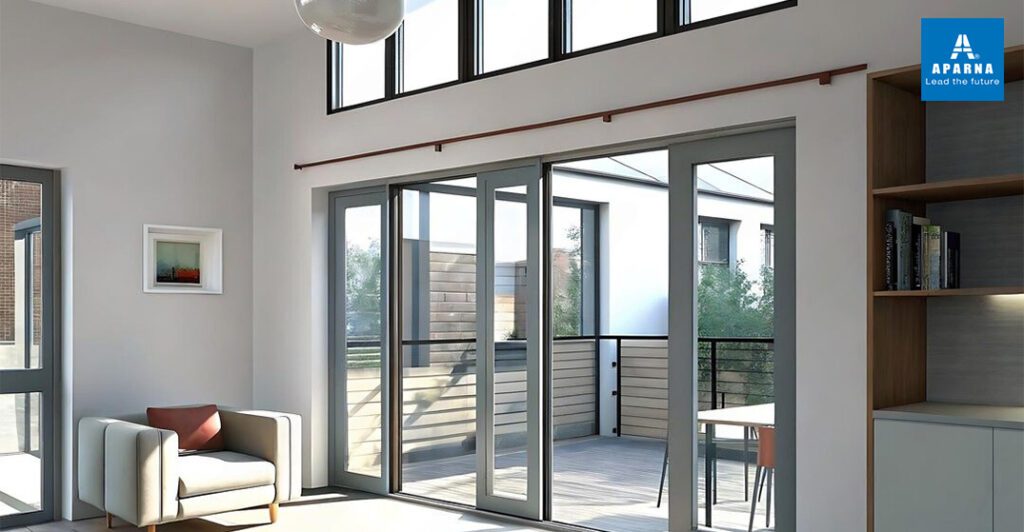
When it comes to building modern spaces, choosing the right aluminium windows and doors is key to achieving balance between design, comfort, and performance. The right system affects how your interiors feel, how much light enters, and how efficiently your space handles weather, noise, and ventilation.As one of India’s leading building material manufacturers, Aparna Enterprises brings years of engineering expertise to aluminium systems designed for modern architecture.
With modern architecture embracing large glass areas and slim profiles, three functional systems have become the top choices: sliding, lift and slide, and casement. Each system has unique strengths suited for different environments and project requirements.
At Aparna Enterprises Ltd, we have worked with a wide range of projects across India and have seen how selecting the right aluminium system can transform a space. Below is a detailed breakdown of these systems and how to choose the right one for your project.
Understanding the Three Main Types of Aluminium Windows and Doors
Sliding Aluminium Windows and Doors
Sliding systems have panels that move horizontally on tracks. They do not open outward or inward, which saves space and provides a clean, minimal appearance.
Best suited for: Balconies, patios, and apartments with limited space.
Advantages
- Ideal for compact layouts
- Offers wide, uninterrupted glass views
- Easy to operate and maintain
- Space-saving design
Limitations
- Only part of the window can open at once
- Track cleaning is required to maintain smooth operation
- Provides moderate insulation compared to thermally enhanced systems
Sliding aluminium windows and doors are popular for modern homes where aesthetics and convenience matter equally.
Lift and Slide Aluminium Systems
Lift and slide systems elevate the traditional sliding concept by integrating advanced hardware. Turning the handle slightly lifts the panel off its track, reducing friction and allowing easy movement. When closed, the panel lowers and seals tightly against air and water.
Best suited for: Villas, penthouses, and large openings that require premium insulation and design.
Advantages
- Can handle large, heavy glass panels easily
- Excellent air and water tightness
- Improved acoustic and thermal insulation
- Smooth and light operation despite large size
Limitations
- Higher upfront cost due to advanced hardware
- Needs professional installation
- Slightly more complex to maintain than standard sliders
Lift and slide aluminium systems are ideal for high-end properties that demand large openings, panoramic views, and superior sealing performance.
Casement Aluminium Windows and Doors
Casement systems are hinged on the side and swing outward or inward. They are known for their ability to provide full ventilation and tight sealing when closed.
Best suited for: Bedrooms, studies, kitchens, and areas that need more airflow.
Advantages
- Maximum ventilation with full sash opening
- Excellent insulation with tight compression seal
- Multipoint locking enhances safety
- Adaptable to both modern and traditional architecture
Limitations
- Requires clear swing space for operation
- Needs planning near walkways or walls
- Hinges and locks need periodic maintenance
Casement aluminium windows and doors combine durability and ventilation with a timeless design that suits both contemporary and heritage-style properties.
Comparison Table: Sliding vs Lift and Slide vs Casement
| Feature | Sliding | Lift and Slide | Casement |
| Space Efficiency | Excellent | Excellent | Moderate |
| Thermal Insulation | Good | Excellent | Very Good |
| Soundproofing | Good | Excellent | Very Good |
| Maximum Sash Size | Up to 2.4m | Up to 3.5m+ | Up to 1.2m |
| Ventilation | Partial | Partial | Maximum |
| Maintenance | Low | Medium | Medium |
| Weather Resistance | Good | Excellent | Excellent |
| Security | Moderate | High | Very High |
| Ideal Use | Compact openings | Wide glass panels | Ventilated rooms |
This table shows how each system of aluminium windows and doors fits different needs depending on the design and function of the building.
How to Choose the Right Aluminium Windows and Doors
1. Consider Location and Climate
Coastal zones require corrosion-resistant and tightly sealed systems such as lift and slide or casement. Hot and dry climates benefit from sliding systems with UV-reflective glass.
2. Focus on Energy Efficiency
Look for aluminium frames with thermal breaks that prevent heat transfer. This helps maintain indoor temperatures and reduces energy costs.
3. Evaluate Acoustic and Dust Control
Lift and slide and casement systems, when paired with laminated acoustic glass, can block up to 45 decibels of sound and reduce dust penetration significantly.
4. Maintenance and Longevity
Sliding systems require less maintenance and are easy to clean. Lift and slide and casement systems need occasional servicing of locks and hinges but offer longer durability.
5. Match Design and Aesthetic Intent
Sliding and lift and slide systems suit modern, minimalist spaces with large openings. Casement systems add character and are perfect for traditional or mixed-style homes.
Benefits of Aluminium Windows and Doors
- High Durability: Aluminium resists rust, moisture, and UV exposure.
- Lightweight and Strong: Allows larger panes with slimmer profiles.
- Sustainable Material: Fully recyclable with minimal energy loss.
- Custom Finish Options: Available in powder-coated, anodized, and wood-grain finishes.
- Low Maintenance: No warping, peeling, or repainting required.
These benefits make aluminium the preferred material for high-performance windows and doors in modern architecture.
Myths About Aluminium Windows and Doors
Myth 1: Aluminium is not energy efficient
Advanced thermal break technology makes modern aluminium systems highly efficient.
Myth 2: Aluminium rusts over time
Aluminium does not rust and can last decades when properly coated or anodized.
Myth 3: Aluminium looks too industrial for homes
With slim profiles and designer finishes, aluminium systems look elegant in both residential and commercial settings.
Myth 4: Sliding systems are not secure
Modern sliding designs come with multipoint locks and reinforced tracks that offer excellent security.
Add one more myth on noise insulation that they can block noise upto 45 decibels.
Expert Tips from Aparna Engineers
- Check frame alignment precisely before installation to ensure a perfect seal.
- Provide proper drainage in sliding track areas to prevent water collection.
- Use stainless steel hardware for smooth and long-lasting function.
- Match glazing thickness to wind load and building height.
- Ensure precise fabrication for optimal air tightness and performance.
Our team at Aparna Enterprises ensures every aluminium window and door is engineered with precision, ensuring a perfect balance between performance, durability, and aesthetics
Aluminium Windows Prices in 2025: Frame Grades, Glass & Hidden Costs
Aluminium windows continue to be a preferred choice for Indian homeowners in 2025 due to their sleek look, strength, and long lifespan. Still, most buyers wonder what exactly determines aluminium windows prices.
The cost is not based only on materials. Frame quality, glass selection, surface finish, and installation details all affect the overall value. Understanding these elements helps you make a smart, long-lasting decision that fits your design and comfort needs.
Frame Grades That Define Aluminium Windows Prices
The frame is the structural base of every window. Its grade and thickness directly influence durability, insulation, and function.
Economy Frames
Common in small homes, these use thinner aluminium and standard coatings. They are affordable but offer limited insulation and durability.
Standard Frames
Favored for apartments and mid-size homes, these offer better rigidity and weather resistance. The design balances price, appearance, and reliability.
Premium and Thermally Broken Frames
High-performance systems use a thermal break, a non-conductive section that separates the inner and outer surfaces. This reduces heat transfer and keeps interiors more comfortable. Premium models also include advanced locking systems, thicker profiles, and corrosion-resistant finishes for long-term stability.
The difference in frame grade affects how well your windows insulate sound, resist weather, and maintain alignment over years of use.
Glass Options That Influence Aluminium Windows Prices
Glass determines how your windows perform in terms of comfort, safety, and energy efficiency. Each type offers unique advantages.
Clear Glass
Provides simple transparency and natural light. Best suited for interiors or shaded spaces.
Tinted or Reflective Glass
Reduces glare and heat from sunlight, maintaining cooler interiors. Reflective glass adds privacy during the daytime.
Double Glazed Glass
Two panes separated by air or gas to reduce temperature exchange and outside noise. Ideal for city apartments and temperature-sensitive environments.
Laminated or Toughened Glass
Improves safety and durability. Laminated glass stays intact when cracked, while toughened glass withstands higher pressure and impact.
Low-E and Smart Glass
Low emissivity coatings reflect infrared radiation, improving thermal performance. Smart glass allows adjustable transparency for privacy and energy control.
The right glass enhances both comfort and performance, balancing brightness, heat resistance, and style.
Finishes and Coatings That Improve Lifespan
Finishes protect aluminium from corrosion, fading, and wear caused by weather and sunlight.
- Powder Coating adds color and UV protection with matte or glossy texture.
- Anodisation enhances corrosion resistance and provides a metallic appearance.
- Wood Grain Finish gives a warm visual appeal while maintaining aluminium’s durability.
Selecting the right finish for your region’s climate helps your windows stay strong and beautiful for years.
Hidden Costs That Impact Aluminium Windows Prices
The real cost of aluminium windows extends beyond the frame and glass. Several unseen elements contribute to the final project value.
Installation and Labour
Proper installation ensures airtight sealing and smooth operation. Poor fitting can cause noise or leaks, reducing the window’s efficiency.
Hardware and Accessories
Locks, handles, rollers, and hinges determine usability. High-quality branded hardware enhances safety and functionality.
Sealants and Waterproofing
Good sealants prevent leakage and improve noise insulation. Low-grade materials can fail under heat and moisture.
Transport and Handling
Windows need professional handling during delivery to avoid bending or surface damage.
After-Sales Support
Reputed manufacturers such as Aparna Enterprises provide installation support, maintenance, and warranty coverage — helping homeowners avoid costly repairs over time.
Environmental and Regional Factors Affecting Aluminium Windows Prices
Different climates and building types require specific solutions. Coastal homes often need anodised frames for humidity resistance. High-rise buildings benefit from stronger sections and laminated glass to handle wind pressure.
Architects now design with local conditions in mind. Orientation, ventilation, and energy efficiency are part of window selection, not just decoration.
Sustainable and Modern Aluminium Window Trends for 2025
Sustainability is reshaping how aluminium systems are produced. Recycled aluminium, low-emission coatings, and eco-friendly manufacturing are now standard for quality suppliers.
Brands such as Aparna Enterprises integrate energy-efficient designs, sound insulation, and modern aesthetics into their product range. The focus is shifting from just appearance to total performance, including longevity, thermal efficiency, and environmental responsibility.
Homeowners are also seeking automation-ready systems, better insulation, and customizable finishes that match contemporary architecture.
How to Maintain uPVC Windows for Long-Term Performance & Durability
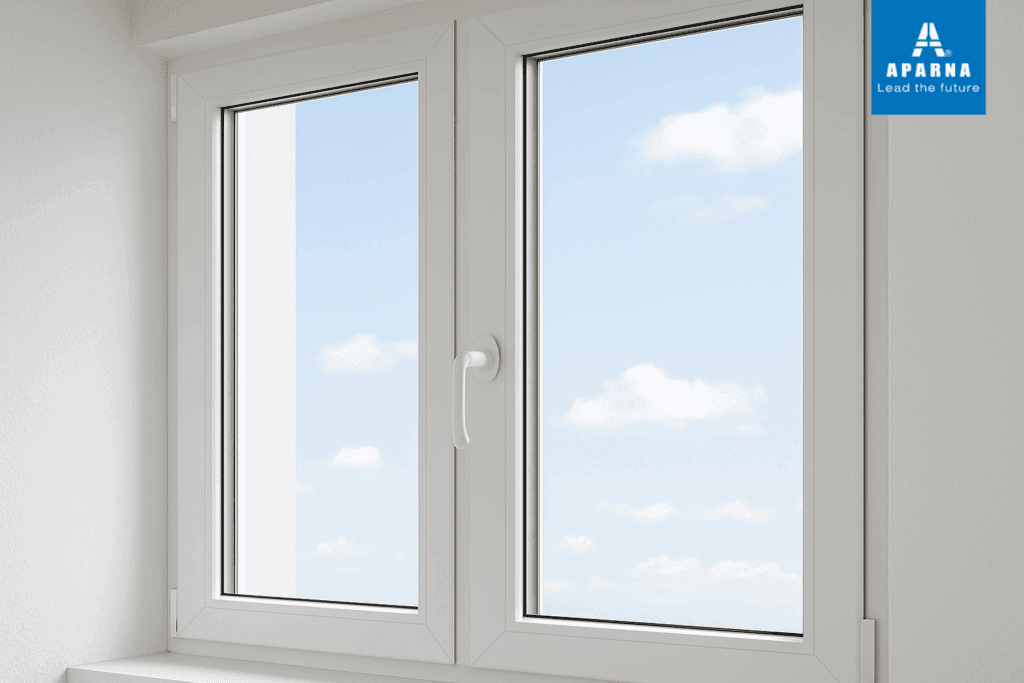
uPVC windows are a popular choice for modern homes and commercial buildings due to their low maintenance, excellent insulation, and weather-resistant properties. But even the best-performing uPVC systems need routine care to function efficiently over the years. A proper maintenance routine helps retain the look, durability, and energy efficiency that make uPVC windows a long-term investment.
1. Regular Cleaning of uPVC Frames
Dust, dirt, and environmental grime can settle on the frame over time, especially in urban or coastal regions. Cleaning the frames not only preserves the appearance but also prevents material degradation.
Use a soft cloth or sponge, warm water, and mild detergent to wipe down the frames. Avoid using abrasive scrubbers, bleach, or acidic cleaners, as these can erode the outer surface. Clean along corners, joints, and tracks to prevent dirt buildup.
2. Keep the Glass Panels Streak-Free
Clean, clear glass improves natural lighting and visibility. Use a solution of water and vinegar or a good-quality glass cleaner to remove smudges, dust, or watermarks. Apply the solution with a microfiber cloth, then wipe dry with a lint-free towel.
Avoid cleaning under direct sunlight as it can cause streaks. Always clean both sides of the window for maximum light transmission.
3. Lubricate Hinges, Locks, and Moving Parts
uPVC windows are designed with precision hardware—multi-point locks, friction hinges, and handles—that require lubrication for smooth operation.
Use silicone-based lubricant or light machine oil twice a year to prevent friction and rust. Apply it to the hinges, locking points, and handles. Do not use heavy greases or sprays like WD-40, which may attract dirt or create a sticky residue. Tighten any loose screws to maintain window alignment.
4. Inspect Seals and Rubber Gaskets
The airtight performance of uPVC windows depends heavily on intact rubber seals. Damaged or dry gaskets can result in air leakage, noise infiltration, and higher energy bills.
Check for shrinkage, cracks, or looseness. Wipe the rubber seals gently with soapy water to remove dust. Once clean, apply a silicone conditioner to maintain flexibility and extend their lifespan. Always ensure that seals are properly seated in the grooves around the frame.
5. Clear and Maintain Drainage Holes
Most uPVC windows feature drainage channels to allow rainwater to flow out. Blocked weep holes can lead to water retention inside the frame, causing leaks or mold growth.
Inspect the drainage slots at the base of the frame. Clear debris using a thin brush, a cotton swab, or compressed air. Pour a small amount of clean water to ensure the drainage system is working properly.
6. Reduce Condensation with Proper Ventilation
Condensation on the interior side of the glass is common, especially in humid rooms like kitchens or bathrooms. While this doesn’t damage uPVC windows directly, persistent moisture can affect paint, plaster, and even indoor air quality.
Open the windows for a few minutes daily to improve air exchange. Install exhaust fans where needed. Maintain indoor humidity levels between 30–50%. If condensation appears between the glass panes, it may signal a failed double-glazed unit, which needs professional attention.
7. Adjust Window Locks for Seasonal Efficiency
Some uPVC windows allow seasonal adjustments in their locking cams or compression points. These are useful for adapting to expansion or contraction of materials due to temperature changes.
In winter, the locking mechanism can be adjusted to create a tighter seal. In summer, it can be loosened slightly to improve ventilation. Use an Allen key to adjust the locking cams on the sash. Make small adjustments to avoid over-compressing the seal.
8. Remove Surface Discoloration
Although uPVC is UV-stable and colorfast, exposure to industrial pollution or salty air can cause light yellowing or staining over time. Restore brightness using a non-abrasive uPVC cream cleaner. Apply with a soft cloth and rub gently over affected areas.
Avoid sanding or painting the surface. These actions can compromise the protective outer layer and reduce performance over time.
9. Schedule Annual uPVC Window Inspections
An annual check helps identify early signs of wear or damage. This is especially important in high-rise buildings or properties near the coast. Look for:
- Cracks or deformation in the frame
- Difficulty in locking or opening
- Moisture buildup or air leaks
- Loose or rattling handles and screws
Addressing issues early extends the life of your uPVC windows and reduces repair costs.
uPVC Windows vs Aluminium: What Works Best in Coastal Areas?
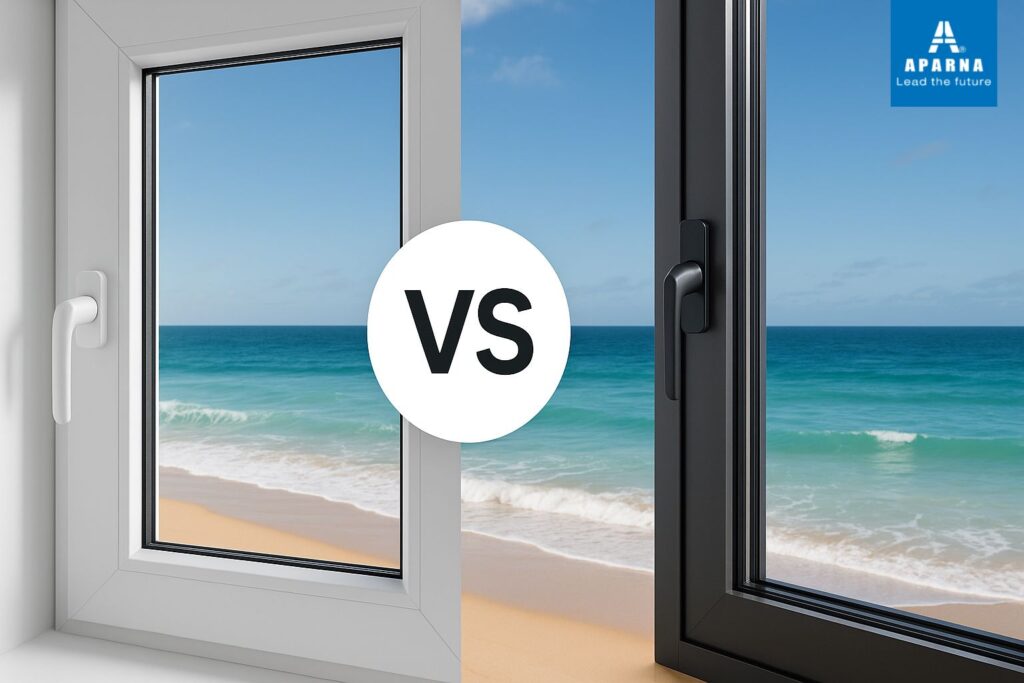
Choosing the right windows is a key decision in coastal architecture. Homes near the sea face persistent challenges like salt-laden air, heavy humidity, and sudden shifts in weather. In this environment, both uPVC windows and aluminium windows are popular, but their performance varies depending on climate conditions and homeowner expectations.
This blog explores critical differences between aluminium and uPVC windows in coastal applications, offering clear insights for property owners and architects alike.
1. Performance Against Salt and Moisture
uPVC windows are made from unplasticized polyvinyl chloride, a moisture-resistant material that doesn’t rust. While this offers decent protection in humid areas, long-term exposure to UV rays and salty air can cause surface degradation unless high-grade stabilizers are used in manufacturing.
Aluminium windows, when coated with powder or anodized finishes, resist corrosion effectively. They maintain surface strength and color even after prolonged exposure to coastal elements, making them well-suited for high-salt zones.
2. Structural Strength in Wind-Heavy Zones
Strong wind pressure is common near coastal regions. uPVC windows, especially larger ones, often rely on internal steel reinforcements to maintain form. However, the material itself can warp slightly with temperature swings, affecting seal tightness and frame integrity over time.
Aluminium, by nature, offers higher structural stability. The material allows for narrower yet stronger profiles, enabling larger glass spans and better load-bearing capacity in cyclone-prone coastal belts.
3. Energy Efficiency and Insulation
One of the top reasons why upvc windows are widely chosen is their excellent thermal insulation. The low conductivity of the base material helps maintain indoor temperature and reduces energy bills. Noise insulation is another benefit when paired with double-glazed glass.
Aluminium windows, on the other hand, require thermal break technology to match the insulation capabilities of uPVC. With proper glazing and break systems, aluminium comes close to matching uPVC in energy efficiency.
4. Aesthetic Appeal and Design Flexibility
In terms of design, aluminium windows offer sleek, minimalistic frames and allow more glass visibility due to their high strength-to-weight ratio. They are available in multiple colors, textures, and metallic finishes that hold up well in salty environments.
uPVC windows tend to have thicker profiles to accommodate internal reinforcements. While modern designs have improved, most uPVC frames are still offered in basic colors like white or wood grain. Options for customisation are more limited in comparison.
5. Long-Term Maintenance Needs
Maintenance is a key factor when evaluating upvc windows for coastal projects. While they require minimal upkeep, over time they may lose color vibrancy or become brittle due to sun and salt exposure. Cleaning is simple, but replacement might be needed after 15–20 years.
Aluminium requires even less maintenance. Its finishes are durable, don’t peel or flake, and need occasional wiping with water to keep looking new. Lifespan typically exceeds 30 years.
6. Cost Evaluation for Coastal Projects
uPVC windows are cost-effective initially. For standard-sized openings in mid-rise homes, the upfront investment is lower than aluminium. However, hidden costs may appear in the form of earlier replacements or repairs in extreme environments.
Aluminium has a higher initial price point but offers longer life, reduced maintenance, and better design adaptability, especially for premium homes or high-rise buildings.
7. Environmental Impact and Recycling
Aluminium is 100% recyclable without quality loss. It can be reused multiple times, reducing carbon footprint. uPVC windows are recyclable as well, but the process is more complex and often limited by the additives used in the profile.
For environmentally conscious construction near ecologically sensitive coastal zones, aluminium may present a more sustainable option.
Why Aluminium Window Frames Work for Indian Homes
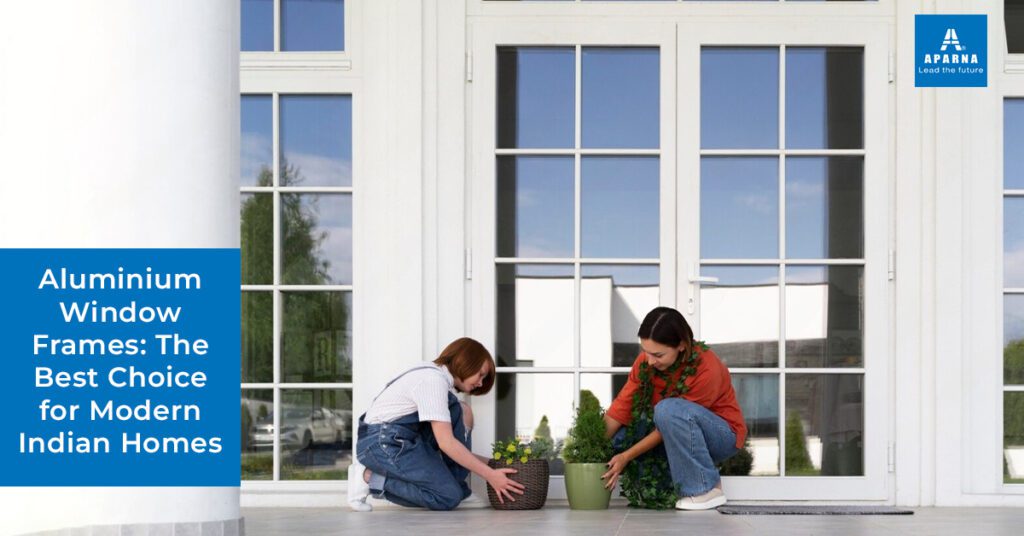
Aluminium window frames have become a preferred choice for homeowners in India due to their unmatched durability, modern appearance, and low maintenance needs. Whether you’re renovating an apartment in Delhi or building a villa in Bangalore, aluminium frames offer strength and style suited for Indian weather and lifestyle demands.
Benefits of Aluminium Window Frames
Weather-Resistant and Long-Lasting
Aluminium doesn’t rust, crack, or warp in extreme conditions. From coastal humidity to dry heat, aluminium window frames stand firm.
Modern Design with Slim Profiles
Minimalistic frame designs allow maximum natural light and uninterrupted views. They’re compatible with both modern and traditional architecture.
Minimal Upkeep Required
Unlike wooden frames that require regular polishing or repainting, aluminium needs only occasional cleaning with water and mild soap.
Environmentally Sustainable
Aluminium is 100% recyclable and has a smaller environmental footprint compared to uPVC or wood, making it an eco-conscious material.
Popular Types of Aluminium Window Frames in India
Sliding Frames
Ideal for small spaces like balconies or kitchens. These offer ease of use without swinging in or out.
Casement Frames
Hinged on the sides, they open outwards or inwards. These are highly energy-efficient with better sealing capabilities.
Tilt and Turn Frames
Provide flexible opening options—tilt for ventilation, turn for full access. These are perfect for high-rise buildings or modern homes.
Fixed Frames
Used where ventilation is not required but sunlight is essential. These are often paired with other types for a balanced layout.
How to Choose the Right Aluminium Window Frames
Check Frame Thickness and Grade
Choose a frame with at least 1.2 mm thickness for durability. Anodized or powder-coated finishes enhance resistance to corrosion and wear.
Select the Right Glass
Double-glazed or laminated glass improves insulation and noise reduction. In high-traffic areas, acoustic glass is a smart investment.
Inspect Hardware and Locking Mechanisms
Go for high-quality locks and hinges. Multi-point locking systems add an extra layer of security.
Evaluate Thermal and Acoustic Insulation
Aluminium frames paired with thermal break technology reduce heat gain and offer better energy efficiency in warm regions.
Aluminium Window Design Trends in India
- Matte Finishes in Black, Grey, or Champagne: Popular for urban homes seeking a clean and classy aesthetic.
- Wood Grain Powder Coating: Offers the traditional look of wood with the benefits of aluminium.
- Slimline Profiles: Allows larger glass areas, ideal for panoramic views and better lighting.
- Smart Windows: Integration with home automation systems for remote control and sensors.
Maintenance Tips for Aluminium Frames
- Clean every few months using a mild detergent and soft cloth.
- Inspect drainage holes and silicone joints after monsoon.
- Avoid abrasive materials to maintain the surface finish.
- Apply a lubricant to sliding channels once a year for smoother movement.
Why Aparna Enterprises Ltd. Stands Out
Aparna Enterprises Ltd. offers custom-engineered aluminium window frames that meet international standards, backed by superior materials and expert craftsmanship. Our range includes energy-efficient, soundproof, and designer frame systems tailored for Indian households. Every product is tested for performance, aesthetics, and longevity—perfect for both urban and rural residential needs.
How Aluminium Window Designs Create Aesthetic and Functional Living Spaces
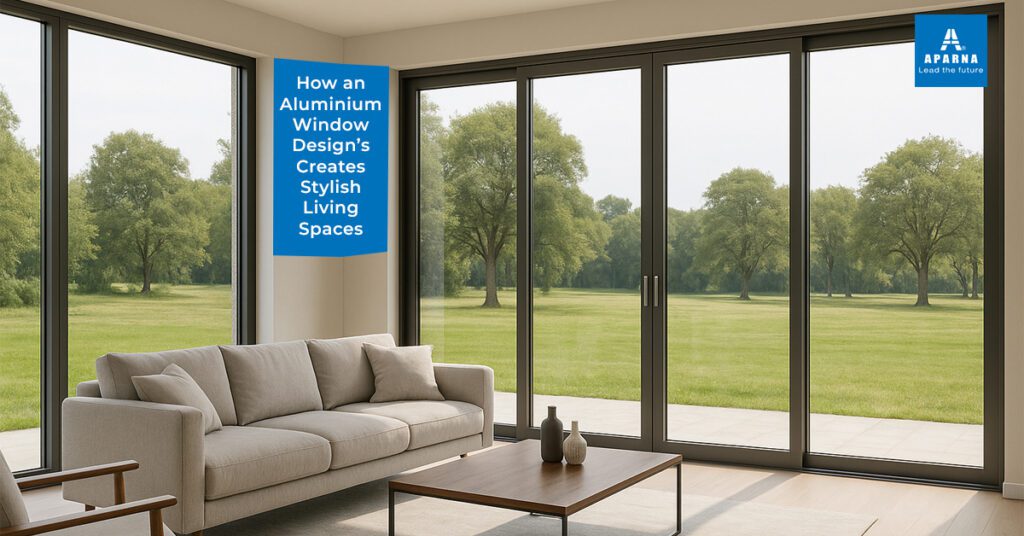
In the world of modern architecture and interior design, windows are no longer just practical necessities for light and air. They have evolved into crucial architectural elements that define how a space feels and functions. This transformation has been made possible by the expertise and innovation of the aluminium window designs.
Aluminium windows are now a benchmark in contemporary design, providing not just structural support but also helping shape minimalist, elegant, and energy-efficient environments. The rise of aluminium as a material of choice for modern buildings is largely due to the way designs leverage its inherent properties to create balance between beauty and performance.
What Sets Aluminium Apart in Window Design
Aluminium is valued in the building industry for a number of reasons. It is lightweight, highly durable, corrosion-resistant, and has a sleek appearance that naturally blends itself to modern aesthetics. These attributes empower any aluminium window designs to build thinner frames with larger glass spans, creating an uninterrupted connection between indoor and outdoor spaces.
Unlike wood or uPVC, aluminium doesn’t warp, expand, or degrade quickly—making it a reliable long-term choice, especially in regions with extreme weather. From urban apartments to commercial facades and luxury homes, aluminium remains a top-tier material due to its blend of performance and visual appeal.
The Design Philosophy Behind Aluminium Windows
A successful aluminium window designs does not simply think in terms of frames and glass. Their role is to ensure the window enhances spatial quality, allows more natural light, and integrates seamlessly into the architecture of the space.
Design elements commonly prioritized include:
- Ultra-slim frames that give a clean, minimalist finish
- Neutral or bold powder-coated finishes to match different decor styles
- Hidden or integrated hardware for a seamless appearance
- Custom glazing options for light control and privacy
These elements, combined with technical detailing, elevate aluminium windows from functional objects to curated design features.
Customization Is the Key to Personalized Living Spaces
One of the major reasons homeowners and architects prefer working with an aluminium window designs is the level of customization available. Unlike traditional window systems, aluminium windows can be designed to fit virtually any dimension or specification.
Designs offer flexibility in:
- Color finishes: From matte black to woodgrain textures
- Opening types: Casement, sliding, tilt-and-turn, pivot, or fixed
- Glazing: Single, double, or triple glazing, tinted or frosted
- Hardware: Choice of premium handles, locks, and hinges in multiple finishes
Customization ensures the final product not only functions perfectly but also blends with the aesthetics of each project.
Technological Innovation Drives Performance
Today’s aluminium windows are engineered for more than just beauty. Aluminium window designs incorporate cutting-edge materials and fabrication techniques to improve thermal efficiency, safety, and acoustic control.
Some of the latest advancements include:
- Thermally broken frames to prevent heat transfer and reduce energy consumption
- Multiple seal systems to block noise and dust
- Laminated or toughened safety glass to meet security requirements
- Micro-textured surfaces that resist scratches and fading
These innovations make aluminium windows a smart choice for both eco-conscious and performance-driven consumers.
Tested for Durability and Real-World Resilience
Quality assurance is a major part of what distinguishes professional aluminium window design. Reputed systems are tested for:
- Wind pressure resistance
- Water penetration and drainage
- Air leakage performance
- Impact strength and long-term structural stability
An experienced aluminium window designes ensures these standards are met before finalizing a product. This means homeowners can trust that their windows won’t just look beautiful when new, but will continue to perform reliably for years—even in coastal regions, high-rise buildings, or high-rainfall areas.
Sustainability and the Aluminium Advantage
As sustainability becomes a driving force in construction, aluminium stands out as one of the most environmentally responsible materials in the industry. Aluminium is 100% recyclable without degradation, and the recycling process uses only 5% of the energy required to produce new aluminium.
For aluminium window designs, this is a major advantage. By choosing aluminium systems, they support green building certifications (like IGBC and LEED), reduce overall project carbon footprints, and contribute to long-term environmental goals.
We use recycled aluminium in our systems, ensuring sustainability without compromising on quality or aesthetics.
Quality, Warranty, and Assurance Matter
The best aluminium window systems are supported by strong warranties, ensuring buyers get long-lasting value.
- 10 years warranty on powder-coated or anodized finishes
- Up to 5 years warranty on hardware components
- Installation warranties when handled by certified fabricators
A qualified aluminium window designs ensures that products come with proper documentation, testing certificates, and maintenance guidelines. This level of professional oversight protects the client’s investment and ensures consistency in quality.