Category: Facades
Outdoor spaces like entrances, balconies and walkways need natural light to brighten these areas and protect people from weather elements like rain, snow, and wind. Constructing them is a difficult task because materials like concrete, wood and steel block natural light. Glass canopies exactly address these issues by providing weather protection to people and keeping entrances bright and open.
In this guide, we will understand what glass canopy is, its common applications, benefits, types, and material used in making it.
What is a Glass Canopy?
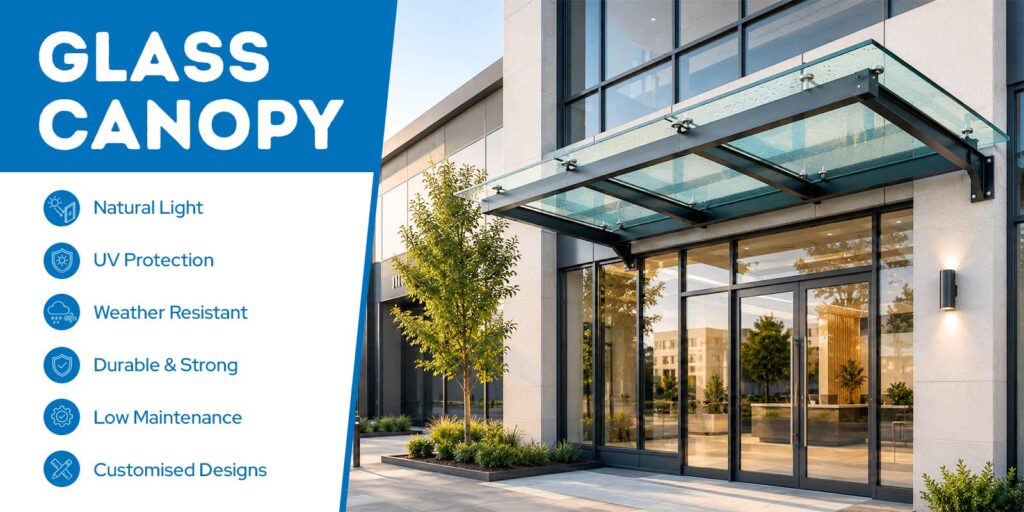
A glass canopy is an overhead protective structure made using safety glass and supporting metal frames. It is installed above building entrances, patios, terraces, walkways, and balconies because they are durable, easy to maintain, and enhance the curb appeal. It is engineered to protect from external elements like dust, rain, snow, UV rays, and wind. At the same time, a glass canopy allows ample light to pass through, making spaces brighter and open.
Where are Glass Canopies Used?
Glass canopies are premium design options that can be customised to fit various requirements. Here, let’s see some of the common usage of glass canopies.
- Commercial Building Entrances: Glass canopies are used as the front facades of the corporate offices, hotels, and shopping malls. This protects people from sun and rain as they enter and exit the building or wait for their cabs to arrive.
- Walkway and Pathway Covers: This modern design is installed on walkways or pathways connecting different buildings. This allows people to walk between structures without feeling confined. Glass canopies are used on university campuses, hospitals, and corporate offices to connect different areas.
- Residential Use: In houses, a glass canopy is used to improve outdoor living spaces. It provides shelter over patios and decks, blocking rain or other elements without obstructing natural light.
- Public Infrastructure: In major cities, glass canopies are used in busy transit hubs and public areas because they are durable, safe, and allow people to see clearly. We often see them in bus shelters protecting passengers from rain.
- Outdoor Dining Areas: Restaurants, cafes, and hotels use glass canopies to maximise their seating capacity. This allows patrons to enjoy their meal in the outdoor patios under a glass canopy, protecting them from rain or UV rays.
Benefits of Glass Canopy
Glass canopies offer several practical and architectural advantages for any building. Here are the benefits:
- Natural Light & Aesthetics: Glass allows more natural light than opaque roofing materials. This brightens entrances and outdoor spaces without blocking views of the sky.
- Protection & Durability: Glass canopies act as a shield against rain, snow, and harmful UV rays. They are constructed using heavy-duty laminated or tempered safety glass to withstand impact and structural stress.
- Energy Efficiency & Sustainability: Canopies come equipped with UV-resistant and tinted coatings to regulate indoor temperatures. This reduced dependence on ACs during the summer. Since glass is recyclable, they are considered a sustainable architectural choice.
- Low Maintenance: Glass canopies are easy to clean, as they do not require regular cleaning. An occasional cleaning is enough to maintain their appearance. Also, they do not rust, fade or tear.
- Design Versatility: This overhead glass structure can be customised to fit any style and design, including both contemporary and traditional properties. They also enhance the aesthetic appeal of commercial and residential projects alike.
Types of Glass Canopies
Glass canopies are categorised based on their structural support systems and the type of glass used. Here are the different types:
-
Suspended Glass Canopies
It is a glass roof hung from an overhead structure using metal tension rods or cables. It creates a floating appearance by eliminating ground-level support posts. A suspended glass canopy also offers complete transparency in a slim structure.
The design required precise engineering as it features heavy-duty steel cables, rod rigging, spider fitting and wall brackets. This allows the canopy to handle slight structural movements.
Some of the common uses include modern commercial buildings, office entrances, and retail storefronts.
-
Cantilevered Glass Canopies
This canopy is projected outward from the building and supported entirely from one end of the wall. Cantilevered glass canopy lacks external braces or cables, vertical columns, or overhead suspension.
It keeps the underneath clear and clean, and also offers a modern, transparent design.
The design features an internal steel frame, concealed wall braces or even glass fins anchored deep to the building’s structural walls.
Mostly used in residential entrances, boutique store fronts, hotel entrances, and modern museums.
-
Frameless/Bolted Glass Canopies
It is a structural glass system where glass panels are connected using spider fitting or pin-mounted bolts directly through pre-drilled holes in the glass.
Frameless glass canopy offers maximum transparency, as it eliminates the traditional perimeter frames, giving the illusion of a floating sheet of glass.
The design features toughened laminated glass with hardware like steel spiders, bolts and articulated joints.
Bolted glass canopies are commonly seen in shopping malls, hotel entrances, and corporate lobbies.
-
Framed Glass Canopies
It is a traditional overhead system, where glass panels are fully enclosed in a structural metal framework.
The design features a laminated glass with clear, frosted, grey, or UV-filtering interlayers to control sunlight and privacy. The glass is supported by aluminium, stainless steel, or mild steel.
Framed glass canopy withstands weather elements, making it highly-durable. It also offers an excellent load-bearing capacity by transferring the force of heavy weather outward to the building’s main columns and beams.
Some of the common applications include residential entryways, commercial buildings, public walkways, and train station platforms.
-
Curved Glass Canopies
This is a custom-designed canopy featuring a curved glass panel or custom bent, creating a unique design. The unique design includes flowing, arched or wave-like structures.
It offers a visual character to the facade by softening rigid building lines. Its dome-like structure sheds water, and prevents it from pooling.
Curved glass canopy used specialised curved laminated glass and custom-bent metal frame or tension rods, or engineered cables.
This type of canopy is used for historic building renovations, hotel driveways, luxury and building entrances.
-
Retractable Glass Canopies
This is a motorised system that slides open or closed along a track on demand. This can also be manually operated. This system allows users to enjoy the open air or close the area during rain.
This design features segmented sliding glass panels that slide one over another. It incorporates heavy-duty motorised tracks, weatherproof seals, and sensors together.
Retractable glass canopies are used in rooftop bars, restaurant patios, luxury residential terraces, and dining areas.
Materials Used In Glass Canopies
To ensure safety and longevity, the material used must combine durability, bear load capacity and glazing. Let’s understand the different metals used here:
Glass (toughened or laminated) is the main overhead component, engineered to withstand heavy loads. This glass is supported by aluminium or steel frames, which provide structural stability and resist corrosion. High-quality structural fittings like brackets and rods ensure secure installation. Other materials, like polycarbonate, may be used as an alternative where reduced weight is needed. Sealants and protective coatings are applied to improve the waterproofing and performance in the long run.
How To Maintain A Glass Canopy?
Glass canopies require low maintenance as they do not need heavy cleaning. Here’s how to maintain a glass canopy:
- Use a pH-neutral detergent mixed in water and a soft microfiber sponge to clean the glass
- Avoid using abrasive brushes to prevent glass from scratches
- Clear debris and flush gutters and drainage channels to avoid water pooling and leaks
- Inspect seals and gaskets for cracks to make sure it remains watertight
- Tighten bolts and clamps of the panels
- Check the metal frames for rust or rot
- Lubricate hinges with grease regularly
Why Aparna Enterprises is the Best Choice for Glass Canopies?
Aparna Enterprises has built a reputation of providing quality glass canopies systems due to these following reasons.
- Advanced Tools: Aparna Externa uses advanced engineering software like Building Information Modelling (BIM) and 3D Software tools to manufacture and install glass canopies.
- End-to-End Management: Aparna Enterprises ensures perfect project executing by handling the entire process, including manufacturing and installing glass canopies.
- State-of-the-art Facilities: Aparna Enterprises Limited (AEL) houses machinery imported from Germany to produce quality products. It follows European technology and follows strict global protocols to meet international standards.
- Energy-Efficient and Eco-Friendly Facade: Aparna’s facades combine thermal breaks, glazing, and dynamic shading to block harsh heat and optimise indoor airflow. Aluminium frames are fully recyclable at the end of the building’s lifecycle.
Takeaway
A glass canopy is a smart investment choice if you want to protect entrances from weather elements. It combines glass with metal frames to improve natural light, durability, and curb appeal.
If you’re planning to add a modern touch to your entrances with a premium glass canopy design or glass roof canopy, explore customised solutions with Aparna Enterprises.
Reach out to Aparna Enterprises for expert guidance, a design consultation, and a tailored quote. We’ll help you create a stylish, durable canopy you’ll love.
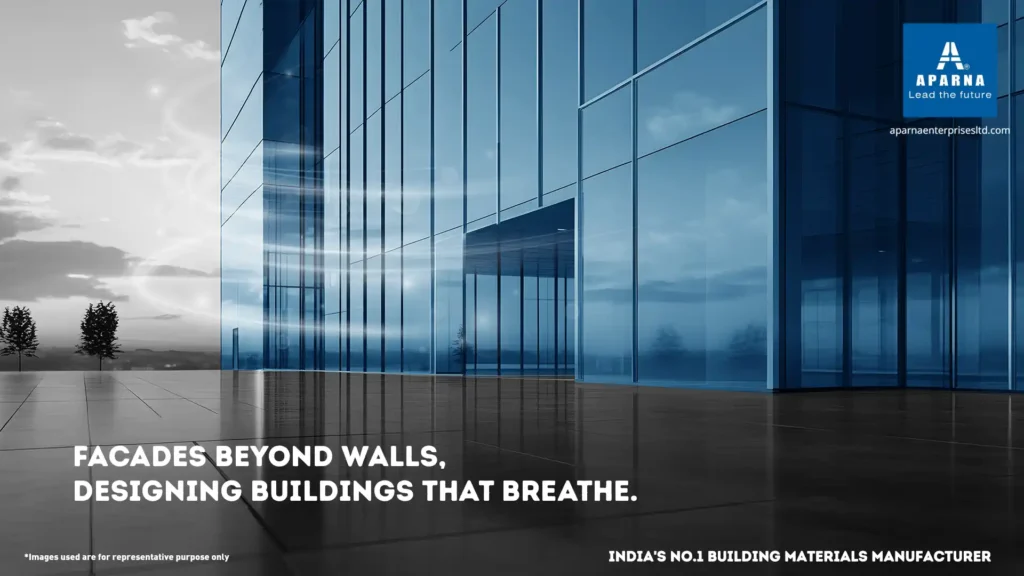
The typical stereotype of viewing a building facade as a protective shield against the elements is transforming and shifting to a whole new paradigm. Presently, visionary architects and pioneering materials manufacturers such as Aparna Enterprises Ltd., are refashioning building facades design to build marvellous structures that engage and adapt with their surroundings. These “breathing” buildings lay the foundation of natural light and airflow which helps establish a coherent relationship between indoor and outdoor spaces. This in turn promotes healthier and more sustainable urban environments.
The factor that is spearheading this transformation is the intelligent use of materials like glass, expertly engineered into sophisticated systems. From expansive glass facades that flood interiors with daylight to intricate suspended glass assemblies that redefine spatial flow, glass is no longer just a window – it’s a dynamic element in creating architecture that truly lives.
The Transparency and Lightness of Glass Facades
For a good reason, glass facades have become a staple of modern architecture because of their sublime aesthetics. The transparent flow of natural light deep into the building interiors, and glass facades provides transparency reducing the need for artificial illumination, and creating bigger, brighter and more energising spaces.
- Maximizing Natural Light: A well-designed glass facade building adds an additional layer of visual appeal by strategically orienting and specifying high-performance glass. They also contribute significantly to energy efficiency and architects can optimise reliance on artificial lighting during the day.
- Connecting with the Outdoors: Depending on the vision, glass facades blend the interior and exterior seamlessly creating unobstructed views of the urban landscape. This adds to the well-being aspect of the structure and creates a more dynamic indoor environment.
- Aesthetic Versatility: From sleek, minimalist designs to bold, sculptural expressions, glass facades offer immense aesthetic versatility. Advancements in glass technology, including various tints, coatings, and structural capabilities, allow architects to realize their most ambitious visions.
The Elegance and Engineering of Curtain Wall Glazing
Currently, glass curtain walls are a splendid and sophisticated approach to facade design, for those who have a specific taste. They offer a lightweight, non-structural external covering that gives aesthetic flexibility with supreme performance.
- Seamless Integration: The smooth and seamless surfaces of glass lend a contemporary elegance to the urban architecture that often features curtain wall glazing systems and suspended glass assemblies.
- Performance and Efficiency: Curtain wall glazing systems of today incorporate advanced technologies for better efficiency, thermal insulation, and acoustic performance. High-performance glass, coupled with carefully engineered framing systems, ensures occupant comfort and reduces energy consumption.
- Design Freedom: Glass curtain walls allow for the creation of complex and dynamic architectural canopies and building forms. The ability to integrate various types of glass and infill panels provides architects with immense design freedom to shape the visual identity of a structure.
Beyond Vertical Walls: Innovative Glass Applications
The adaptable factor of glass contributes beyond the typical facades, adding on to the “breathing” capabilities of the structure in innovative ways.
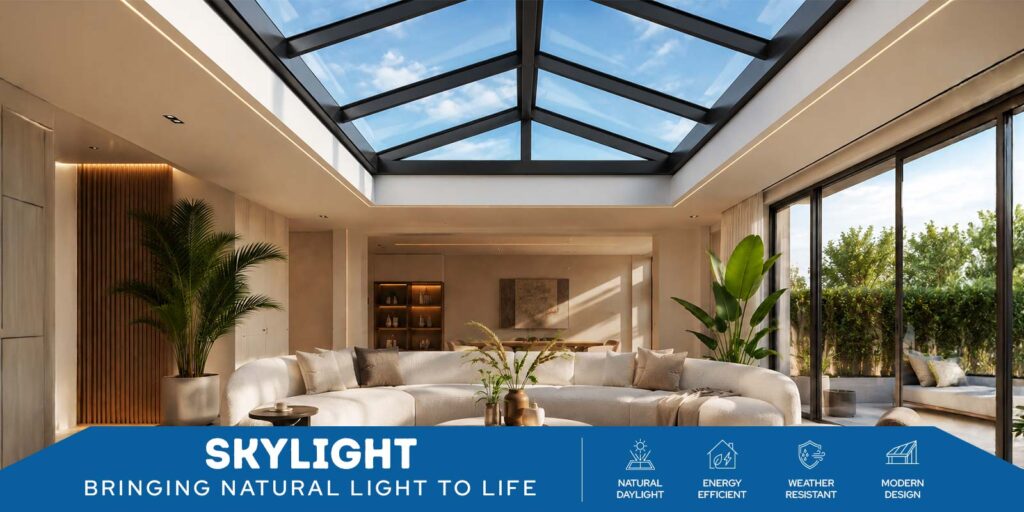
- Modern Skylights: Modern skylights bring natural light into the deepest parts of a building, often transforming dimly lit spaces into vibrant surroundings that feel sensational. Often utilizing frameless glass roofs, these openings enhance natural ventilation that feels unusually vibrant.
- Architectural Canopies: Elegant glass canopies define the entrance of a structure, creating a welcoming atmosphere and smoothly transitioning into the rest of the spaces. Their lightweight and transparent nature not only provides shelter but also minimizes visual obstruction.
- Suspended Glass Assemblies: Beyond curtain walls, suspended glass assemblies can create dramatic interior and exterior features, such as glass walkways, partitions, and even secondary facade layers that allow for airflow and light diffusion.
Engineering Facades That Breathe
At Aparna Enterprises Ltd., our commitment to innovation and quality drives us to provide cutting-edge facade solutions that embody the principles of “breathing” architecture. Through our expertise in glass facades, including sophisticated glass curtain walls and elegant architectural canopies, we empower architects and developers to create buildings that are not only visually stunning but also environmentally responsible and enhance the well-being of their occupants. Our focus on precision engineering and high-performance materials ensures that our facade systems contribute to energy efficiency, natural light optimization, and a seamless integration with the urban environment.
The future of building facades design lies in creating structures that transcend the concept of static barriers. By embracing the possibilities of glass facades, innovative curtain wall glazing, and other dynamic glass applications, we can design buildings that truly breathe – maximizing natural light and ventilation, fostering a connection with the outdoors, and ultimately creating healthier, more sustainable, and more vibrant urban environments. Aparna Enterprises Ltd. is proud to be at the forefront of this evolution, engineering facades that not only define the skyline but also enhance the very experience of urban living.
Modern facade designs are evolving the aesthetics of cities on a holistic and aesthetic perspective, a canvas that is always changing. The facade speaks more than what meets the eye; it is a strong statement that reflects the architectural vision and shapes our cities’ own identities. We are at Aparna Enterprises Ltd. (AEL) are aware of the supreme influence that skillfully designed facades may have. Our brand, Aparna Externa, allows developers and architects to bring their visions to life. Discover five innovative modern facade design ideas that are transforming the way we construct and see urban architecture in addition to being aesthetically pleasing.
1. The Elegance of Integrated Glazing Systems
One of the primary defining characteristics of modern architecture is the smooth use of glass for a building’s exterior. From the smooth flow of natural light and energy efficiency, producing aesthetically beautiful surfaces, advanced glazing technologies have several advantages.
- Floor-to-ceiling glass facades: These designs blur the lines between indoor and outdoor spaces, offering panoramic views and a sense of openness despite being a high-rise structure. High-performance glass options, often used in systems like those offered by Aparna Externa, provide excellent thermal insulation and acoustic dampening, ensuring comfort without compromising on aesthetics.
- Curtain wall systems: Expertly designed by companies like Aparna Externa, these non-structural external walls offer a great deal of architectural versatility. They allow architects to develop complex and aesthetically striking architectural facade designs by accommodating a variety of infill panels, such as glass, metal, and stone. Long-term durability and weather resistance are guaranteed by precision engineering.
- Dynamic glazing: Dynamic glass is a fascinating development in exterior facade design that can change its transparency in reaction to sunlight, lowering heat gain and glare. This intelligent technology is a progressive approach to modern facade design architecture that improves occupant comfort and energy efficiency.
2. The Art of Metal Cladding: Boldness and Versatility
Metal cladding is a popular option for creative building exterior designs because of its remarkable endurance and eye-catching appearance. The options are almost endless, ranging from textured steel to elegant aluminum panels.
- Aluminum composite panels (ACP): These lightweight yet rigid panels, often featured in Aparna Externa solutions, provide a smooth, contemporary look and can be easily shaped and formed into complex geometries. Their versatility allows for the creation of visually arresting facade design ideas.
- Profiled metal sheets: Profiled metal cladding offers superior weather resistance and lifespan, along with a more elegant yet industrial look. Varying the profiles and finishes can produce a variety of visual effects, giving the facade building design more depth and texture.
- Expanded and perforated metal: In addition to adding visual interest, these materials can have practical uses, including ventilation or shade. Their distinct patterns and textures add to the art of architectural facade design.
3. The Timeless Appeal of Natural Stone and Terracotta
Many architects are embracing modernity while yet finding inspiration in organic materials such as terracotta and stone. These materials give building facade designs a feeling of texture, warmth, and permanence.
- Stone cladding: Stone cladding, whether in the form of massive granite panels or rustic limestone, adds a feeling of permanence and classic style. It is a suitable option for modern facade design architecture since modern installation methods guarantee longevity and ease of maintenance.
- Terracotta panels and tiles: Terracotta features provide building exteriors, warmth and character with their tactile textures, rich and earthy tones. Contemporary terracotta solutions provide enhanced durability and architectural versatility, enabling imaginative exterior facade design.
4. The Green Revolution: Living Facades
Growing demand for more sustainability and better urban settings is fueling the trend of incorporating vegetation into building facades. Green walls, sometimes referred to as living facades, have several advantages over just being aesthetically pleasing.
- Vertical gardens: These systems involve planting vegetation directly onto the facade, creating a living, breathing skin for the building. They can improve air quality, reduce the urban heat island effect, provide insulation, and enhance biodiversity, representing truly innovative building facade designs.
- Living walls with modular systems: These systems make use of pre-grown modules or panels that are affixed to the exterior of the structure. They are a sensible choice for large-scale facade design architecture since they provide more control over the choice and upkeep of the plants. Unquestionably, a flourishing green facade has a transforming visual impact.
5. The Precision of Modular and Prefabricated Facades
Modern construction demands speed and efficiency, and modular and prefabricated facade systems provide several benefits in this area. Aparna Enterprises Ltd. directly met this demand for accuracy and quicker building schedules with its cutting-edge Aparna Externa solutions.
- Unitized curtain wall systems: Aparna Externa provides these complex facade solutions that enhance a building’s functioning while capturing its personality. Under strict quality control, these sizable, pre-assembled units, which frequently include glazing and other facade components, are produced off-site and quickly mounted on the building frame. This technique ensures excellent quality while drastically cutting down on-site construction time. Curtain wall systems by Aparna Externa are adaptable, fire and weather-resistant, and energy-efficient. They are also lightweight and soundproof. Mostly made of glass and aluminum, they provide a great deal of architectural flexibility while lowering the building’s structural load.
- Prefabricated panel systems: Off-site manufacturing of sturdy yet lightweight panels in a range of shapes, sizes, and finishes is made possible by Aparna Externa’s proficiency with aluminium composite panels (ACPs) and other aluminum cladding choices. This guarantees a faultless, modern exterior facade design and quick on-site installation.
Conclusion:
The field of modern facade design is dynamic and ever-changing. Architects and developers have a wide range of cutting-edge alternatives at their disposal, from the elegant sophistication of integrated glass to the biophilic advantages of living walls and the effectiveness of modular systems. We at Aparna Enterprises Ltd. are honoured to be leading this architectural revolution thanks to our dedication to quality and innovation. We can all work together to create urban landscapes that are not only aesthetically pleasing but also sustainable, useful, and accurately represent the modern day by comprehending the potential of architectural facade design. One creative facade at a time, our cities’ futures are being inscribed on their exteriors.
Shaping Modern Skylines With AEL’s Glass Facades
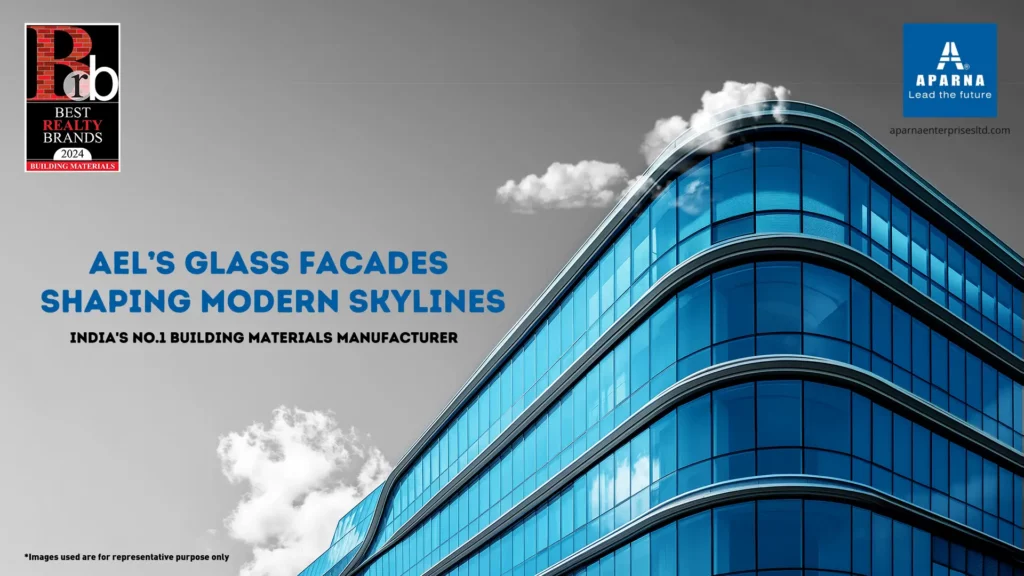
The bustling cities of today are a clear indication of the architectural landscape evolving rapidly. One of the biggest transforming elements is the use of glass facades. Aparna Enterprises Limited (AEL) stands at the front of the ever-evolving landscape, creating stunning and functional glass facades that not only redefine aesthetics but also the functionality of the buildings, making it not only a show-stopper but also sustain the integrity of the building!
The Rise of Glass Facades
Glass facades aren’t a trend anymore, they have become an essential and staple part of any contemporary architecture. A perfect blend of transparency, elegance and durability that traditional materials cannot budge to. With urbanised spaces becoming more piled and vertically oriented, the substantial need for aesthetically pleasing and efficient building enclosures has never been greater.
Aparna Externa’s Innovative Solutions
Aparna Enterprises Limited pioneered various innovations in glass facade technology, including suspended glass assemblies, structural glass assembly, and frameless glass roofs. Our innovations are crafted to meet the range of demands required for modern architecture, providing functional benefits and stunning visual appeal.
Suspended glass assemblies extend a sleek and seamless appearance, ideal for creating expansive, uninterrupted views. These assemblies create an ensemble of breathtaking vies, minimalistic framework and aesthetic refinement in design.
We draft custom-made solutions to create facades by implementing structural glass assembly that can withstand heavy loads while maintaining a graceful appearance. By using digitised facade engineering, Aparna Enterprises Limited ensures that these assemblies provide safety and style.
One of our most notable contributions to modern architecture is the development of glass curtain walls. These walls enhance the visual appeal of buildings but also improve energy efficiency by letting the natural light come in deep into the interiors. Crafted to withstand environmental stresses but also offer minimal visual obstruction, our glass curtain walls are a popular choice for high-rise buildings and commercial complexes.
Versatile Applications
At Aparna Externa, our expertise and research go beyond facades to include glass canopies, curtain wall glazing, and architectural canopies. These elements are key players in building dynamic and functional spaces.
Our design team is globally recognised for creativity, quality and aesthetics. We take pride in the recognition factor and are inspired by global architects to push the boundaries of innovation.
Curtain Walls, often considered the “skin” of the building, offer more than visual appeal. These complex facade systems embody the building’s identity while enhancing its practical functions. The dynamic interaction of light and shadow, along with the balance of transparency and solidity, creates a captivating visual experience.
Glass canopies provide shelter while supporting transparency, making sure that natural light is not compromised. At Aparna Externa, we believe a well-designed canopy is a blend of the architectural bullseye of both shelter and style. The immersiveness of the canopy should not hinder the functionality and overall design of the project!
The Future of Urban Architecture
As cities evolve and mature into their own energy, the demand for different, unique and contributing solutions will increase. Aparna Enterprises Limited is committed to meeting the rising demands and leading the way in the transformation process by continuously developing and refining its glass facade designs, bringing even the most complex ideas to life.
Aparna Externa’s portfolio is committed to creating spaces that are not only beautiful but also exude charm that visually hits the tastes of the bypassers. Our facades are digitally engineered which provides the following benefits:
1.Sustainable, energy-efficient often enabling clear precision.
2.Early issue detection leads to minimal rework and longevity.
3.We use parametric modelling for optimised performance.
4.We use data-driven predictive maintenance leading to minimal risks.
Conclusion
Aparna Enterprises Limited’s unwavering commitment to innovation and quality alongside a diverse portfolio transforming cities and pushing the boundaries of contemporary architecture. With our range of products such as glass facades, suspended glass assemblies, structural glass assembly, and frameless glass roofs, Aparna Enterprises Limited is solidifying the role of shaping the urban landscapes of today and tomorrow. We aim to make a lasting impact with our belief in the harmonious blend of beauty and performance. Aparna Enterprises Limited provide customised solutions to meet the unique requirements of each project. In redefining what is possible in modern architecture, we believe in transforming cities into vibrant living spaces for generations to come.
Urban landscapes are gaining prominence, and Aparna Enterprises Limited (AEL) is revolutionizing the space with innovative, energy-efficient, and aesthetically appealing construction materials. Being a leading manufacturer and supplier of construction materials and building solutions, AEL also empowers urban landscape architecture with end-to-end, innovative building facade designs under its flagship brand, Aparna Externa. Read the blog to know how it promotes innovative urban planning.
How does AEL promote urban landscape architecture?
AEL manufactures and supplies a wide range of sustainable, innovative building facade designs. The facade includes skylights, glass canopies, suspended glass assemblies, curtain walls, etc. Here is what you must know about each of them.
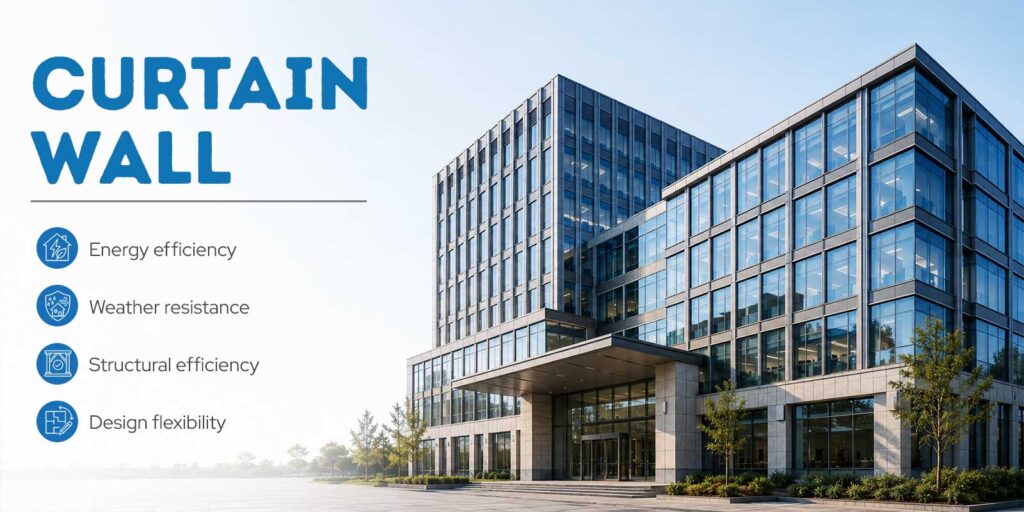
Curtain walls
The curtain walls manufactured at AEL are customized based on the specific needs of a building, including thermal efficiency, expansion and contraction, etc. They add a unique, striking architectural vision to a building. As they can be installed in different sizes and designs, you can achieve innovative exterior designs.
Curtain walls allow ample light to pass through the building, which reduces the need for artificial lighting. This reduces electricity bills. Another significant feature of curtain walls is the flexibility in design. They can be fitted with various types of cladding materials and finishes which contributes to the dynamic needs of the urban landscape architecture.
Suspended glass assemblies
AEL through Aparna Externa manufactures bespoke suspended glass assemblies that help create innovative shapes and building configurations. With low-emissivity coatings, the suspended glass assemblies enhance the thermal efficiency of buildings. This helps maintain an optimal level of temperature and achieve energy savings.
Glass assemblies also offer unobstructed views of the exterior while narrowing the boundaries between inside and outside the building. Akin to the curtain walls, suspended glass assemblies also allow a seamless flow of natural light. This way, residents feel closer to the nature and outside world.
At AEL, the colour, texture, and size can be customized to meet the specific requirements of a building. With customizable designs and highly functional configurations, AEL revolutionizes urban landscape architecture and promotes innovative urban planning.
Skylights
Skylights add a unique architectural element to the building and promote the openness of the space. The skylights manufactured at AEL have state-of-the-art glazing technologies, low-emissivity coatings, etc. They are manufactured in different shapes and can be customized to match the specific needs of a building.
The skylights manufactured at AEL are weather-resistant and can be used in places that experience extreme weather conditions and wind speeds.
Glass canopies
Glass canopies are a significant contribution of AEL to urban landscape design. You can install them as standalone structures or add them as attachments to the main building. They add a sleeky, contemporary touch to the building.
Glass canopies can also spotlight certain specific structures in a building. For instance, when you add glass canopies at the entrance of a building, it signifies that you are entering a building with modern, contemporary elements. As they are made with reflective mirrors and glasses, they offer a seamless integration with the exteriors.
Why choose AEL for innovative urban planning?
Since its inception, Aparna Externa has transformed urban landscape architecture and planning with its innovative solutions. Here is why you must choose AEL when it comes to designing building facades.
Bespoke solutions
When it comes to urban landscape design, one size fits all may not work for buildings. AEL offers a higher degree of customization. The size, shape, dimensions, properties, configuration, etc. of the facade solutions can be tailored to meet the urban landscape design requirements.
High-quality materials
AEL attaches paramount importance to the quality of construction materials. When it comes to glass, skylights, or canopies used in the building facade design, AEL sources and manufactures superior-quality materials. By promoting strict adherence to quality standards, AEL delivers a unique appeal, in terms of design, aesthetics, and functionality.
Energy efficiency
At AEL, sustainability and eco-friendly materials are at the heart of building facade design. Combining our design expertise, experience, and technology leadership, AEL helps prioritize energy efficiency, lighting, and thermal resistance during building facade design and installation.
FAQs
1.How does AEL enhance urban landscape architecture?
AEL offers end-to-end facade solutions including curtain walls, suspended glass assemblies, skylights, glass canopies, etc. that promote a unique urban landscape architecture.
2.What is the use of a curtain wall in a facade?
Curtain walls form an outer covering of a facade and protect the building against adverse environmental and weather conditions. They allow natural light to pass through while reducing the need for artificial lighting.
3.Why are facades important in urban landscape architecture?
Facades define the aesthetics and functionality of high-rise buildings. Beyond aesthetics, they can also help achieve energy efficiency and weather resistance while adding a large-scale image to the building.
Introduction
In the ever-changing dynamics of architecture, facade design is the frontrunner of innovation and transformation. Aparna Enterprises Limited (AEL), a stalwart in the construction building materials industry, is leading the advancements in facade design innovations. In this blog, let’s look at the future trends and innovations in facade solutions.
Types of facade systems:
AEL offers the perfect blend of elegance, functionality, and aesthetics to best suit the project requirements. Being an esteemed facade manufacturer, the following are the types of facade systems offered by Aparna Externa, a wholly-owned subsidiary of AEL:
1.Curtain Walls
A curtain wall is an aluminium-framed system designed to carry glass, panels, louvres, or occasionally, granite or marble. It allows the combined window and spandrel framing to span multiple levels and form a continuous façade structure covering the entire exterior of the building.
2.Suspended Glass Assemblies
These suspended glass assemblies are custom-made solutions and specialist-developed systems which meet the most stringent client demands in almost any aspect.
3.Skylights
Skylights are architectural wonders that introduce natural light, transforming interiors into lively sanctuaries. They merge indoors with the outdoors, creating a dynamic play of light and shadow, enhancing ambience, mood, and connection to the environment.
4.Canopies
Canopies are architectural masterpieces that blend aesthetics, weather protection, and shade, enhancing buildings’ beauty and functionality. They offer inviting entrances, outdoor seating, and design extensions, providing shelter and elegance.
Facade Design Innovations:
AEL, a forerunner, employs digitalised façade engineering techniques to create modern infrastructures that are seamlessly striking, highly functional, safe, secure and sustainable. Our modern facade materials enable us to enhance the structural strength of the buildings. We establish front facade designs that engage the onlookers through artistic expression. We turn buildings into stunning landmarks with sustainable materials, improving energy efficiency and reducing maintenance.
Innovative Facades for Built Structures
AEL’s dedication to pushing innovation goes beyond appeal and aesthetics. The performance of built structures is an essential factor for us. The facade solutions by AEL are shaping the new era in facade design and contributing to the overall efficiency and sustainability of the structure beyond the looks.
Facade Manufacturer Leading the Way:
AEL, being a facade manufacturer and a market leader in India, plays a pivotal role in the future of facade solutions. AEL produces facades that not only meet but exceed industry standards. The precision in digitalised manufacturing ensures the following:
1.Innovative and customised design possibilities.
2.Early issue detection, reduced rework and longevity.
3.Cost saving with efficient resource allocation.
4.Data-driven software ensuring predictive maintenance and risk mitigation.
Comprehensive Facade Solutions:
AEL’s overall approach to facade design is holistic. We offer comprehensive facade solutions from concept to execution including:
1.Meticulous selection of materials
2.Digitalised engineering for precision
3.Commitment to deliver on time and within budget.
Modern Facade Materials:
In the journey for innovative facade design, materials play an indispensable role. AEL stands at the forefront of exploring and introducing modern facade materials. These materials not only enhance the visual appeal of structures but also contribute to their longevity and sustainability. For more information on our projects visit here, to view our portfolio!
Modern Exterior Facade:
When pursuing modernity, AEL is committed to the advancement of exterior facades. Our facade design innovations, blend contemporary aesthetics with technological advancements. These modern exterior facades are dynamic elements that cater to the evolving needs of the current urban landscape.
Wrapping up
The future of facade design is a compilation of aesthetics, functionality and sustainability. With AEL leading the way, we continue to innovate and reshape industry standards. The architectural landscape is set to witness a transforming stage where the facade tells a story of vision, precision and excellence.