

Vitrified Tiles Price Trends in India Everything Homeowners Should Know Before Buying
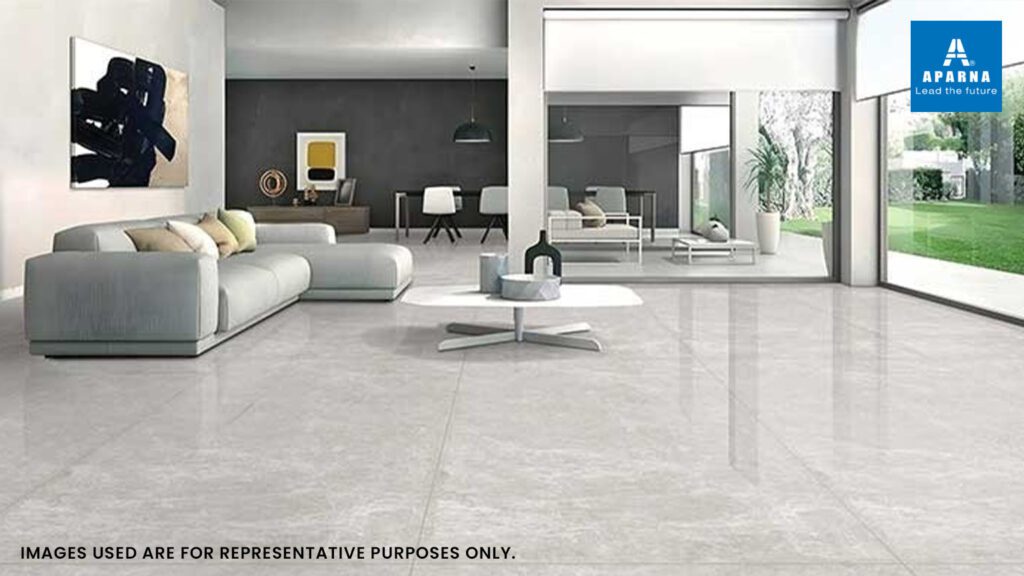

Vitrified tiles have become a preferred flooring choice for Indian homes because they balance durability, design, and long term value. With new manufacturing technologies and a growing variety of finishes, homeowners now have options that suit every budget. Understanding current price trends helps in making smarter buying decisions, especially when planning large renovations or new construction projects.
What Drives the Pricing of Vitrified Tiles in India
The price of vitrified tiles depends on several core factors including the raw materials used, the level of digital printing detail, and the type of finish applied. Polished, glazed, and double charged tiles each require different production processes that influence cost. Tile thickness, surface strength, and slip resistance ratings also affect pricing, as premium features generally come at a higher rate. These elements together shape what homeowners pay in today’s market.
Different Types of Vitrified Tiles and Their Price Ranges
India offers multiple categories of vitrified tiles, each with its own price bracket. Standard vitrified tiles usually sit at the lower end because they use simple patterns and basic finishes. Double charged tiles fall in the mid range due to their thicker top layer and stronger durability. Premium options like glazed vitrified tiles feature high resolution designs and advanced textures, placing them at the higher band. These variations give homeowners the freedom to choose based on style, performance, and budget preferences.
How Technology Is Shaping Price Trends in 2026
Advancements in manufacturing have shifted price patterns across the industry. Modern digital printing allows brands to create realistic marble, stone, and wood textures at competitive rates. Automated polishing and uniform baking methods have improved tile consistency, reducing waste and lowering costs over time. As factories adopt new machinery, the overall market sees better quality tiles entering affordable price segments, widening the options for buyers.
Regional Price Differences Across India
Tile prices vary across Indian cities due to logistics, brand presence, and demand patterns. Metro locations often have a wider range of high end options, while tier 2 and tier 3 markets tend to see more mid range and economical varieties. Transportation costs also contribute to regional differences, as tiles are heavy materials and shipping rates influence the final retail price. Understanding these variations helps homeowners plan purchases and compare offers across suppliers.
Brand Reputation and Its Impact on Pricing
Established tile brands typically charge a premium because they offer stronger warranties, better quality checks, and more consistent finishes. Local manufacturers may offer lower rates but often vary in colour accuracy, density, and long term performance. While premium brands come with a higher price tag, they reduce the risk of breakage, colour fading, and uneven installation. Weighing these trade offs is important before deciding which tiles to bring home.
Installation Costs and Hidden Expenses to Keep in Mind
Tile pricing goes beyond just buying the tiles. Homeowners also factor in installation charges, which include labour, adhesives, spacers, and finishing materials. Skilled labour may cost more but ensures proper alignment and fewer post installation issues. Additional expenses like surface preparation, skirting, and cutting waste can influence the total project cost. Planning for these helps avoid budget surprises during renovation.
How to Choose the Right Tiles Within Budget
A clear understanding of prices helps homeowners shortlist tiles based on room usage and expected foot traffic. High traffic areas like living rooms and kitchens benefit from double charged tiles due to their strength, while bedrooms can use more affordable matte or glossy options. Checking tile absorption rates, slip resistance, and surface durability ensures the chosen tiles match long term expectations. Comparing brands, visiting showrooms, and reviewing samples also supports informed decision making.
Why Vitrified Tiles Remain a Cost Effective Choice in India
Even with rising construction costs, vitrified tiles deliver strong value because they require minimal maintenance and last for years. Their resistance to stains, scratches, and moisture reduces the need for frequent repairs or replacements. With continuous innovation in vitrified tiles design and competitive pricing, full body vitrified tiles from aparnaenterprisesltd offer an ideal balance of affordability, durability, and performance for modern Indian homes.